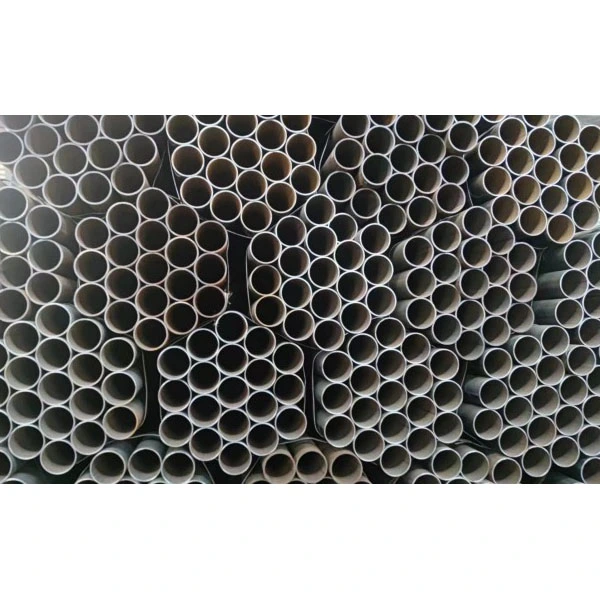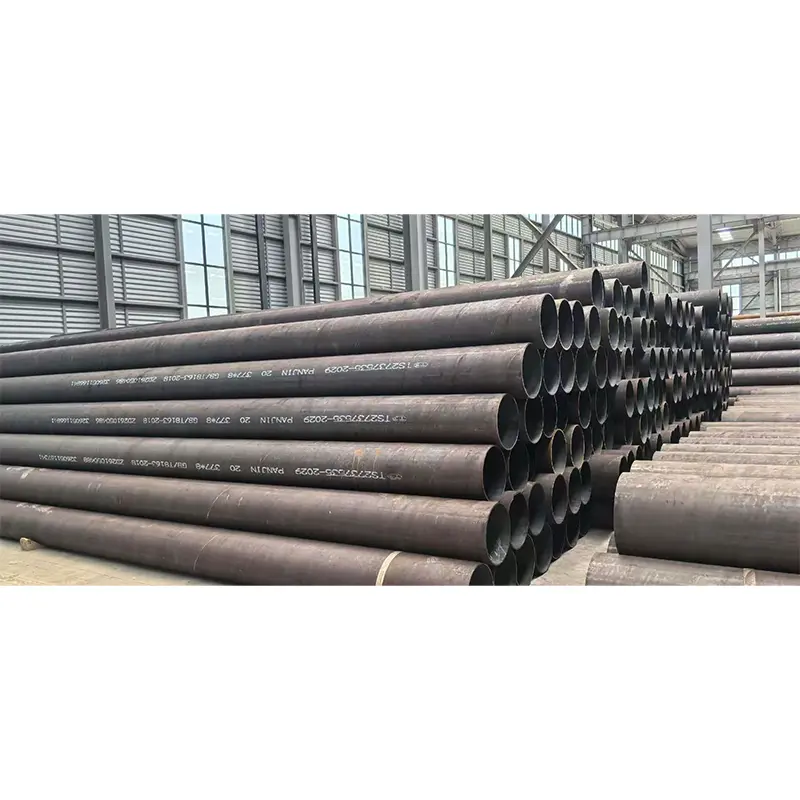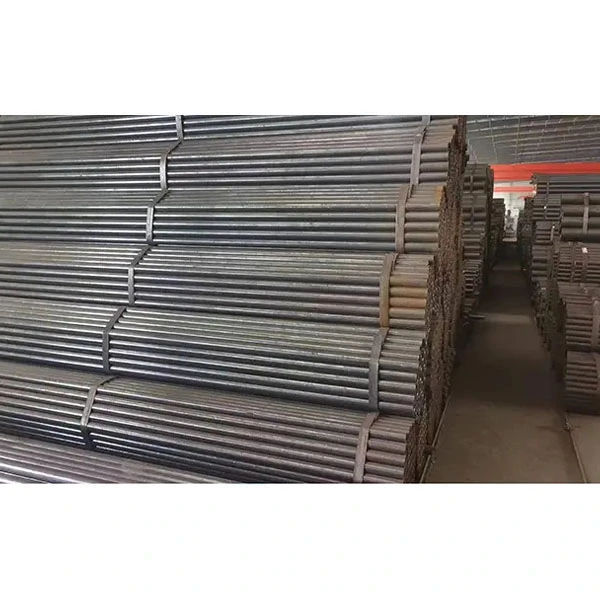
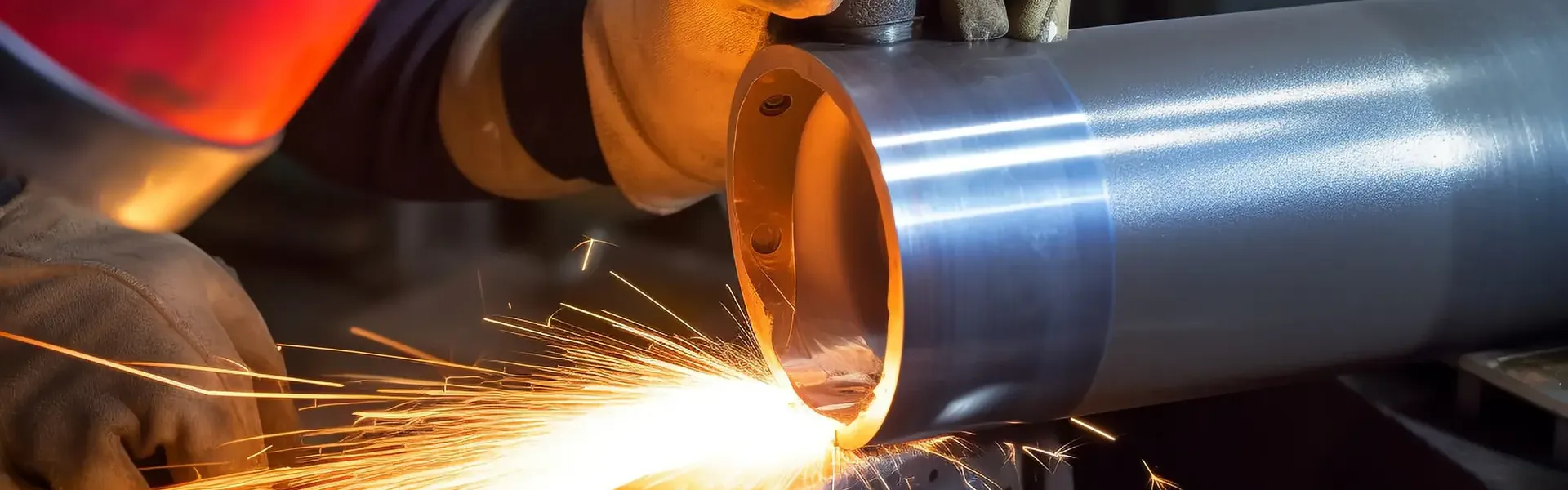
Thick wall longitudinal welded steel pipe plays an important role in industrial infrastructure where structural strength, dimensional accuracy, and dependable weld integrity are essential. Understanding its manufacturing process, material selection, inspection requirements, and application conditions helps buyers reduce procurement risks and select pipe products that meet real project demands.
For engineers, contractors, distributors, and industrial procurement teams, the right pipe specification is more than a matter of diameter and wall thickness. It must match operating conditions, applicable standards, installation requirements, and the expected service environment.
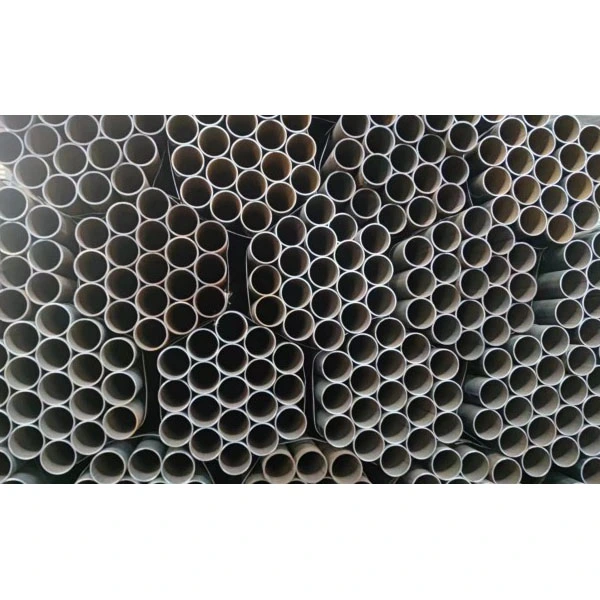
1. Understanding Thick Wall Longitudinal Welded Steel Pipe
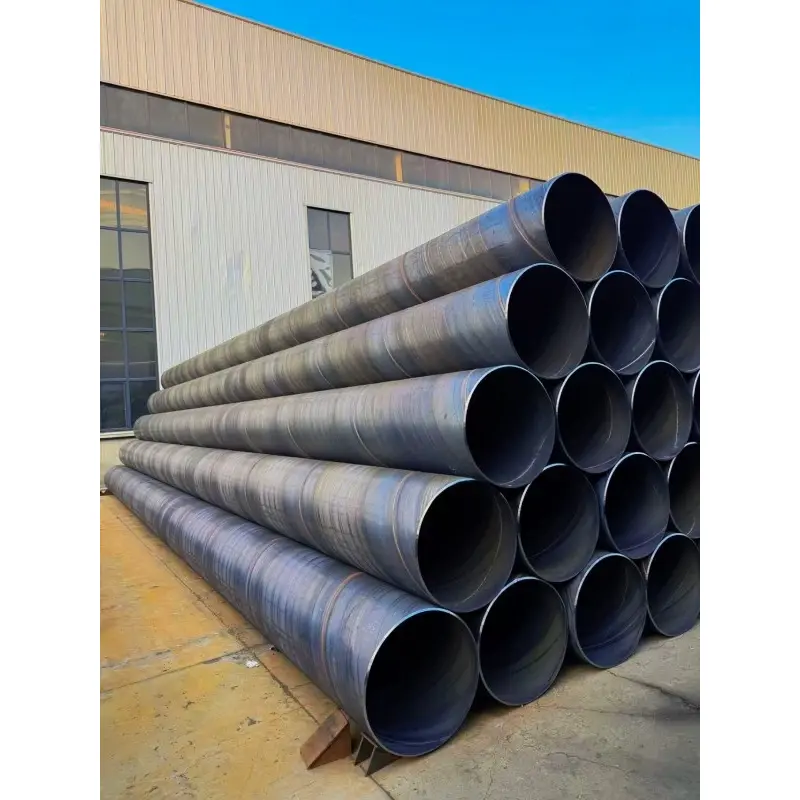
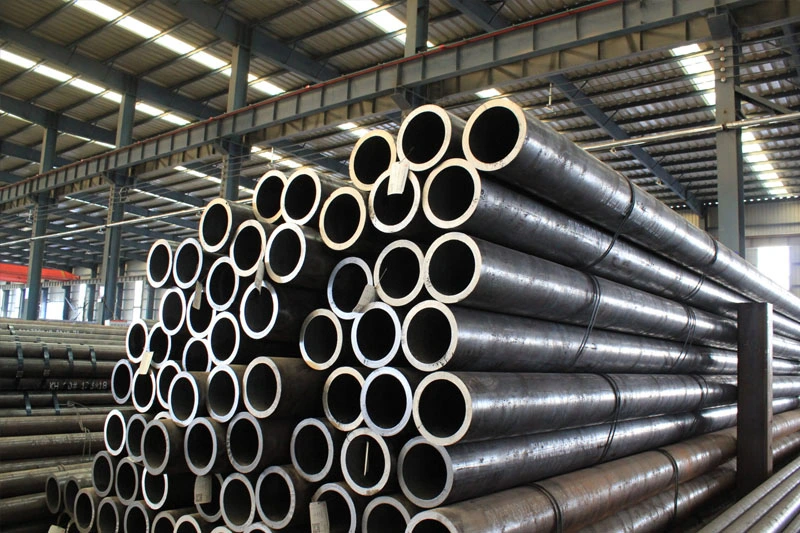
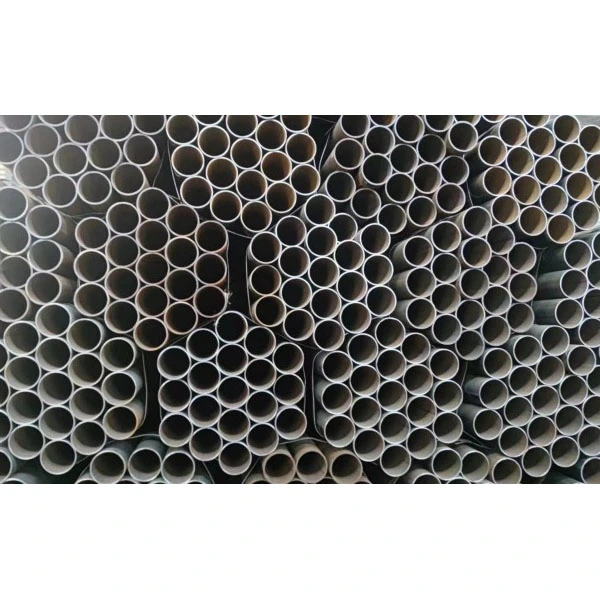
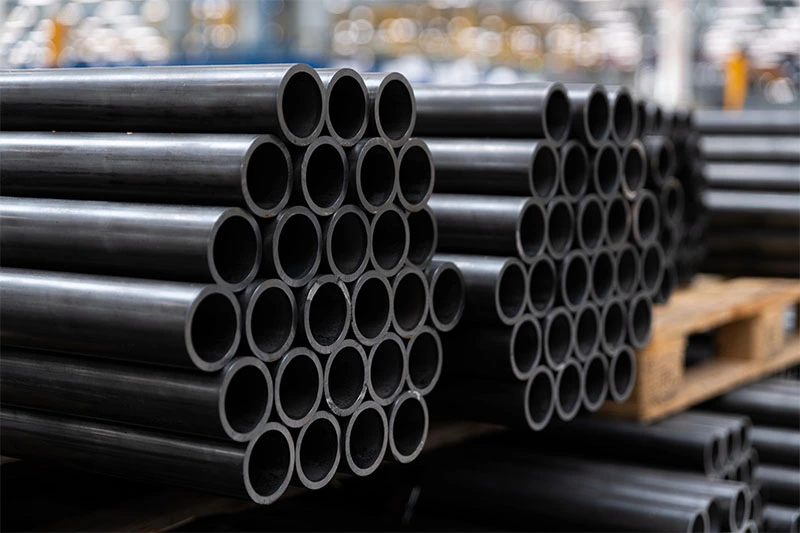
Thick wall longitudinal welded steel pipe is a tubular steel product manufactured by forming steel plate or strip into a cylindrical shape and joining the edges along the pipe's length. Its defining characteristics are a longitudinal weld seam and a wall thickness selected to meet particular mechanical, structural, or service requirements.
Unlike thin-wall pipe used for lighter-duty applications, thick-wall products can provide a greater cross-sectional area of steel, subject to the selected material grade, geometry, manufacturing quality, and design conditions. They are frequently considered for demanding industrial systems, large structural assemblies, and engineered infrastructure.
There is no single wall-thickness threshold that defines every thick-wall pipe across all standards and industries. The correct classification depends on the applicable product specification and project requirements. Buyers should therefore avoid relying on the word "thick" alone when preparing an order.
For international procurement, the distinction between longitudinal welded pipe, spiral welded pipe, and seamless pipe is also important. Each product has its own manufacturing characteristics and qualification requirements. The most appropriate option depends on engineering calculations, availability, cost, and the governing standard rather than on a general assumption that one type is always superior.
2. Key Benefits for Industrial Applications
2.1 Greater Sectional Strength
A thicker pipe wall generally provides more steel in the cross-section and can improve resistance to certain loads. Depending on the design, this may support higher structural loads, improve resistance to local damage, or provide additional material allowance for anticipated wall loss.
However, additional thickness does not automatically guarantee safe operation under internal pressure. Pressure capacity also depends on the outside diameter, material properties, weld quality, temperature, corrosion allowance, design code, and manufacturing tolerances. A qualified engineer should establish the required wall thickness for pressure-containing applications.
2.2 Efficient Production for Large-Diameter Requirements
Longitudinal welded steel pipe can be produced from steel plate using suitable forming and welding processes. This provides flexibility when a project requires a particular combination of diameter, wall thickness, material grade, and length.
For large-diameter or specialized orders, plate-based manufacturing can offer a practical alternative to other production routes. Actual cost and lead time depend on material availability, forming capacity, inspection scope, order quantity, and delivery requirements.
2.3 Adaptability to Project Specifications
Industrial projects rarely share identical requirements. A water infrastructure contractor may prioritize corrosion protection and installation efficiency, while an energy project may place greater emphasis on material toughness, traceability, weld inspection, and pressure-related requirements.
Clearly defined specifications allow suppliers to evaluate the appropriate manufacturing route and identify potential limitations before production begins. This helps reduce dimensional mismatches, additional machining, field rework, and unnecessary procurement costs.
2.4 Potential for Long-Term Service Reliability
Service life depends on the interaction between material quality, manufacturing consistency, operating conditions, maintenance, and environmental exposure. A properly specified pipe with suitable inspection and protective measures can support reliable long-term performance.
For corrosive environments, buyers should consider the fluid chemistry, external exposure, operating temperature, and expected corrosion rate. Coatings, linings, corrosion allowance, or more suitable material grades may be necessary depending on the application.
3. How Is Thick Wall Longitudinal Welded Steel Pipe Manufactured?
Manufacturing quality affects dimensional consistency, mechanical performance, and the integrity of the longitudinal seam. Although production routes differ by pipe size and product specification, the main stages generally include material verification, edge preparation, forming, welding, dimensional correction, inspection, and finishing.
3.1 Material Preparation and Forming
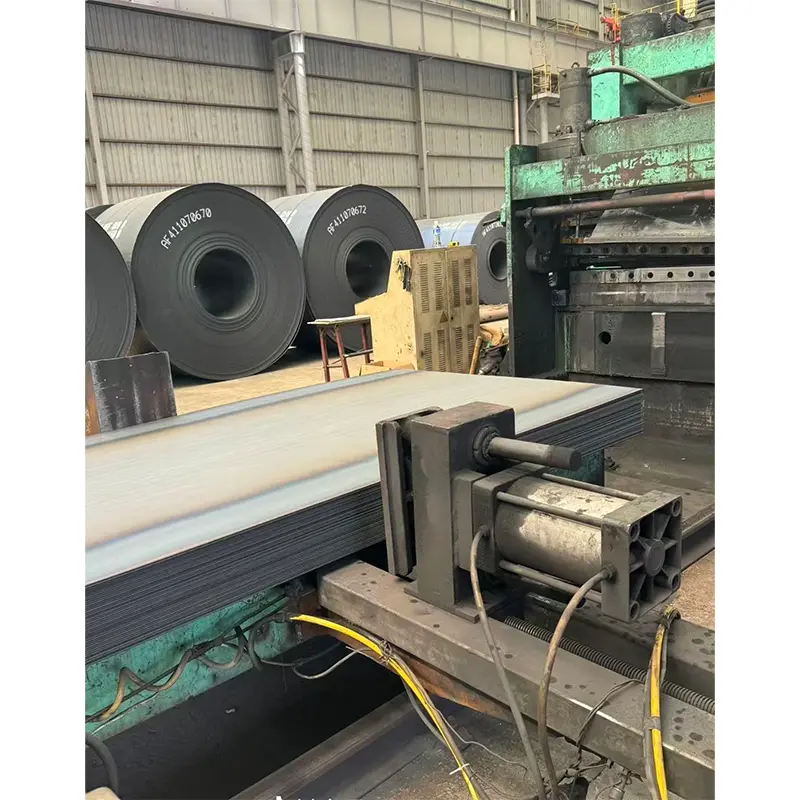
Production begins with steel plate or strip that meets the specified grade and dimensional requirements. Material identification and appropriate inspection help confirm that the starting material is suitable for the intended application.
The edges are prepared to support the required joint geometry and welding procedure. The plate is then formed into a cylindrical shape using an appropriate forming method. For some large-diameter line-pipe applications, JCOE or UOE processes may be used, subject to the manufacturer's capabilities and the required product specification.
Forming accuracy matters because poor edge alignment, excessive ovality, or inconsistent geometry can complicate welding and installation. Controlled forming and dimensional checks help maintain the specified shape before the seam is completed.
3.2 Longitudinal Welding and Finishing
Longitudinal seams may be produced using different welding methods, including submerged arc welding (SAW) or electric resistance welding (ERW), where appropriate for the product and specification. These processes are not interchangeable in every application; the manufacturing method must comply with the applicable requirements.
For large-diameter, heavy-wall plate-formed pipe, longitudinal submerged arc welding is a common manufacturing route. Depending on the process, welding may be performed from the inside and outside to achieve the specified joint quality.
After welding, operations may include dimensional sizing, straightening, end preparation, heat treatment where required, and final inspection. The exact sequence varies according to the manufacturing method and purchase specification.
| Manufacturing Stage | Primary Objective | Buyer Benefit |
|---|---|---|
| Material verification | Confirm grade and required material properties | Reduces the risk of incorrect material delivery |
| Edge preparation and forming | Establish suitable geometry and joint alignment | Supports consistent fabrication and fit-up |
| Longitudinal welding | Create the specified welded joint | Supports weld integrity when properly controlled |
| Dimensional correction | Control diameter, roundness, and straightness | Reduces installation and assembly problems |
| Final inspection | Verify applicable quality and acceptance criteria | Provides evidence for procurement acceptance |
4. Major Industrial Applications
The suitability of thick wall longitudinal welded steel pipe depends on the engineering requirements of each project. Common application areas include the following.
4.1 Oil, Gas, and Energy Infrastructure
Welded steel pipe may be used in qualified pipeline and energy infrastructure projects where specified dimensions, mechanical properties, toughness, and weld inspection requirements are met. Buyers should confirm the applicable pipeline standard, grade, product specification level where relevant, and service conditions before ordering.
4.2 Water Transmission and Industrial Fluid Systems
Large-diameter steel pipe can support water transmission, industrial water circulation, and related infrastructure. The specification should address design pressure, fluid characteristics, joining method, internal or external corrosion protection, and the conditions expected during installation and operation.
4.3 Structural Engineering and Heavy Construction
Thick-wall welded pipe may be used for tubular structural members, support assemblies, foundations, and other heavy-duty construction applications. Dimensional tolerances, load calculations, material strength, connection design, and fabrication requirements should be considered together.
4.4 Industrial Plants and Specialized Equipment
Manufacturing facilities, processing plants, and infrastructure projects may require pipe sections with non-standard dimensions or particular mechanical properties. In these cases, early coordination between the engineering team and supplier can help confirm manufacturability, inspection scope, and delivery feasibility.
5. How to Select the Right Material and Specification
Choosing thick wall longitudinal welded steel pipe requires more than selecting the largest available wall thickness. A well-defined purchase specification helps balance performance, manufacturability, cost, and installation requirements.
5.1 Confirm the Required Steel Grade
Steel grades differ in chemical composition, yield strength, tensile strength, toughness, weldability, and other properties. Carbon steel grades may be suitable for many structural or general industrial applications, while pipeline grades may be required for particular transportation systems.
Grade designations from different standards should not be treated as automatically equivalent. Confirm the precise standard, grade, delivery condition, and any additional testing requirements. Where welding or low-temperature service is involved, review the relevant material and procedure requirements with qualified technical personnel.
5.2 Determine Diameter and Wall Thickness
Outside diameter and nominal wall thickness influence pipe weight, handling, connection design, and structural performance. For pressure-containing service, the required thickness must be determined using the governing design code and actual operating conditions.
Buyers should also distinguish nominal thickness from minimum acceptable thickness. Manufacturing tolerances may affect the actual delivered dimensions, so the purchase order should state the applicable tolerances and any special minimum-wall requirements.
5.3 Specify the Correct Manufacturing Standard
Standards such as API 5L, ISO 3183, ASTM specifications, EN standards, and applicable national standards cover different products and requirements. They should be selected according to the intended application rather than listed together as if they were universally interchangeable.
Confirm the exact standard and edition required by the project. Include supplementary requirements for testing, documentation, traceability, and acceptance where applicable.
5.4 Consider the Service Environment
Operating pressure, temperature, transported medium, external exposure, and installation conditions all affect product selection. For aggressive environments, the specification may need corrosion protection, a corrosion allowance, special material requirements, or additional testing.
5.5 Balance Initial Price and Total Project Cost
The lowest unit price may not represent the lowest total cost. Inconsistent dimensions, missing certificates, unsuitable end preparation, delayed delivery, or inadequate packaging can increase installation expenses and create schedule risks.
A more effective comparison considers material compliance, quality documentation, manufacturing capability, inspection costs, transportation, delivery reliability, and expected service requirements.
6. Quality Inspection and Common Procurement Risks
Quality assurance should be established before production instead of being treated as a final paperwork exercise. Buyers need to understand which inspections are required, what acceptance criteria apply, and what evidence will be supplied with the finished pipe.
6.1 Weld Inspection
Weld inspection requirements depend on the product standard, manufacturing method, service category, and purchase agreement. Ultrasonic testing (UT) and radiographic testing (RT) are examples of nondestructive examination methods that may be specified for suitable applications.
Neither method should be assumed to be mandatory for every pipe or sufficient for every defect type. The inspection method, coverage, acceptance criteria, and documentation should be agreed upon in advance.
6.2 Dimensional Verification
Inspection may cover outside diameter, wall thickness, length, straightness, ovality, and end geometry. These dimensions can influence fit-up, welding, alignment, and assembly efficiency.
For thick-wall pipe, it is particularly important to verify that the specified dimensions and tolerances match the engineering drawings and applicable product requirements.
6.3 Mechanical and Material Testing
Depending on the specification, testing may include tensile properties, impact toughness, chemical composition, weld-related testing, and hydrostatic testing. Not every test applies to every product. The inspection and test plan should identify required tests, sampling frequency, acceptance criteria, and reporting responsibilities.
6.4 Documentation and Traceability
Procurement teams should confirm which documents are required before production. Depending on the contract, these may include material test certificates, inspection reports, dimensional records, nondestructive testing reports, heat or batch identification, and coating records.
| Common Procurement Risk | Possible Consequence | Preventive Action |
|---|---|---|
| Unclear wall-thickness tolerance | Nonconforming dimensions or unexpected weight | Define nominal and minimum thickness requirements |
| Incorrect grade or standard | Failed acceptance or unsuitable service performance | State the exact grade, standard, and edition |
| Insufficient weld inspection | Undetected nonconformities or rejection risk | Agree on examination scope and acceptance criteria |
| Inadequate corrosion protection | Premature deterioration in service | Specify coating, lining, or other protection requirements |
| Missing quality records | Delayed approval and traceability problems | Confirm documentation deliverables before ordering |
| Unconfirmed delivery requirements | Installation delays and additional handling costs | Agree on length, end finish, packaging, and schedule |
7. Longitudinal Welded Pipe vs. Other Pipe Types
Comparing manufacturing methods helps buyers understand the practical differences between available products. The following overview is general; the governing standard and specific manufacturing route determine the final product requirements.
| Comparison Factor | Longitudinal Welded Pipe | Spiral Welded Pipe | Seamless Pipe |
|---|---|---|---|
| Manufacturing route | Plate or strip formed with a lengthwise seam | Coil formed into a helix with a spiral seam | Produced without a longitudinal weld seam |
| Seam orientation | Parallel to the pipe axis | Helical around the pipe | No longitudinal seam |
| Dimensional flexibility | Depends on forming equipment and plate availability | Depends on forming line and coil dimensions | Depends on the applicable seamless production route |
| Quality considerations | Weld integrity, forming accuracy, and dimensional control | Spiral weld integrity and dimensional control | Material soundness, manufacturing quality, and dimensions |
| Selection priority | Projects suited to qualified longitudinal welded products | Projects suited to qualified spiral welded products | Projects requiring a qualified seamless product |
Welded pipe is not inherently unsuitable for demanding applications, and seamless pipe is not automatically the best option for every project. The decision should reflect the required specification, design conditions, available manufacturing capabilities, qualification evidence, and overall project economics.
8. A Practical Procurement Checklist
Before requesting a quotation for thick wall longitudinal welded steel pipe, prepare the following information. A complete inquiry enables suppliers to evaluate requirements more accurately and reduces repeated clarification during order processing.
- Application: Explain whether the pipe is intended for structural service, fluid transportation, energy infrastructure, or another industrial use.
- Dimensions: Provide outside diameter, nominal wall thickness, required length, dimensional tolerances, and quantity.
- Material: State the exact steel grade, product standard, and any special mechanical or chemical requirements.
- Manufacturing method: Specify the required longitudinal welding process if mandated by the project.
- Operating conditions: Identify design pressure, temperature, transported medium, and relevant environmental conditions where applicable.
- Inspection: List required nondestructive examinations, mechanical tests, hydrostatic tests, and acceptance criteria.
- Surface protection: Confirm whether bare pipe, coating, lining, galvanizing, or another protective system is required and technically suitable.
- End preparation: Specify plain ends, bevelled ends, or other connection requirements.
- Documentation: Identify material certificates, inspection reports, traceability records, and other required deliverables.
- Logistics: Confirm packaging, shipping destination, delivery schedule, marking, and handling requirements.
When comparing supplier quotations, ensure that all offers cover the same technical scope. A lower quotation may exclude testing, coatings, documentation, or end preparation that another supplier has already included.
For non-standard requirements, provide drawings or a technical data sheet whenever possible. This allows the supplier to review manufacturing feasibility and identify specification conflicts before an order is placed.
9. Frequently Asked Questions
9.1 What is thick wall longitudinal welded steel pipe used for?
It may be used in qualified industrial pipelines, water infrastructure, heavy structural assemblies, energy projects, and specialized equipment. The appropriate application depends on the pipe's grade, dimensions, manufacturing quality, applicable standard, and design conditions.
9.2 What wall thickness is considered thick wall steel pipe?
There is no universal threshold that applies to all industries and product standards. The term generally describes pipe with a relatively substantial wall compared with its diameter or intended application. Buyers should specify the exact nominal thickness and required tolerances in the purchase order.
9.3 Is longitudinal welded steel pipe suitable for high-pressure service?
It can be suitable when the product is manufactured, tested, and qualified for the applicable pressure-service specification. Suitability must be verified against the governing design code, material grade, weld requirements, operating conditions, and required inspection evidence.
9.4 Which welding method is used for thick wall longitudinal welded pipe?
Submerged arc welding is commonly used for many large-diameter, plate-formed thick-wall pipes. Other longitudinal welding processes may be suitable for different product ranges. The correct method depends on pipe dimensions, material, production capability, and the specified standard.
9.5 Which standards should buyers request?
The appropriate standard depends on the intended service and project requirements. API 5L and ISO 3183 are relevant to pipeline transportation products, while applicable ASTM and EN standards cover other defined product categories. Confirm the exact scope, grade, edition, and supplementary requirements with the project engineer.
9.6 How can buyers verify longitudinal weld quality?
Request the inspection and test plan required by the contract. Depending on the specification, evidence may include visual examination, ultrasonic or radiographic testing, mechanical test results, and other prescribed inspections. Acceptance criteria should be established before production rather than selected after defects are identified.
9.7 Does a thicker pipe wall always mean a better product?
No. Additional wall thickness can increase weight, material consumption, transportation costs, and installation demands. A suitable design balances required strength, pressure or structural loads, corrosion allowance, manufacturability, and lifecycle cost. Engineering calculations should determine the necessary thickness.
9.8 What information is needed for a quotation?
Provide the pipe diameter, wall thickness, length, material grade, applicable standard, quantity, end preparation, surface protection, inspection requirements, documentation needs, and delivery destination. Drawings and operating conditions are particularly useful for specialized orders.
9.9 Can thick wall longitudinal welded steel pipe be customized?
Customization may be possible for dimensions, lengths, end preparation, material requirements, and surface protection, depending on the supplier's production capabilities and the applicable standard. Buyers should submit technical requirements early to confirm feasibility, cost, and lead time.
9.10 Why are inspection documents important when purchasing steel pipe?
Inspection documents help buyers verify compliance with the agreed specification, support material traceability, and facilitate project acceptance. Required documents should be defined in the purchase order and checked against the delivered products before installation or use.
10. Conclusion
Thick wall longitudinal welded steel pipe can be an effective solution for industrial projects that require substantial wall sections, controlled dimensions, and a qualified longitudinal welded construction. However, dependable performance begins with the right specification rather than thickness alone.
By evaluating material grade, manufacturing method, applicable standards, weld integrity, inspection requirements, corrosion protection, and total procurement cost, buyers can make better-informed decisions and reduce avoidable project risks.
Working with a supplier that understands technical documentation, dimensional requirements, and project-specific procurement needs can also simplify communication from initial inquiry through final delivery.
Looking for Thick Wall Longitudinal Welded Steel Pipe for Your Next Project?
Tianjin YuJie Steel Pipe Trading Co.,Ltd. welcomes inquiries from contractors, distributors, engineering companies, and industrial buyers seeking steel pipe solutions for their projects.
Share your required dimensions, steel grade, applicable standard, order quantity, inspection requirements, and delivery destination to help establish a clear quotation scope. For specialized orders, providing technical drawings and project specifications can help clarify product requirements before procurement.
Contact Tianjin YuJie Steel Pipe Trading Co.,Ltd. to discuss your steel pipe sourcing requirements and request further product information.