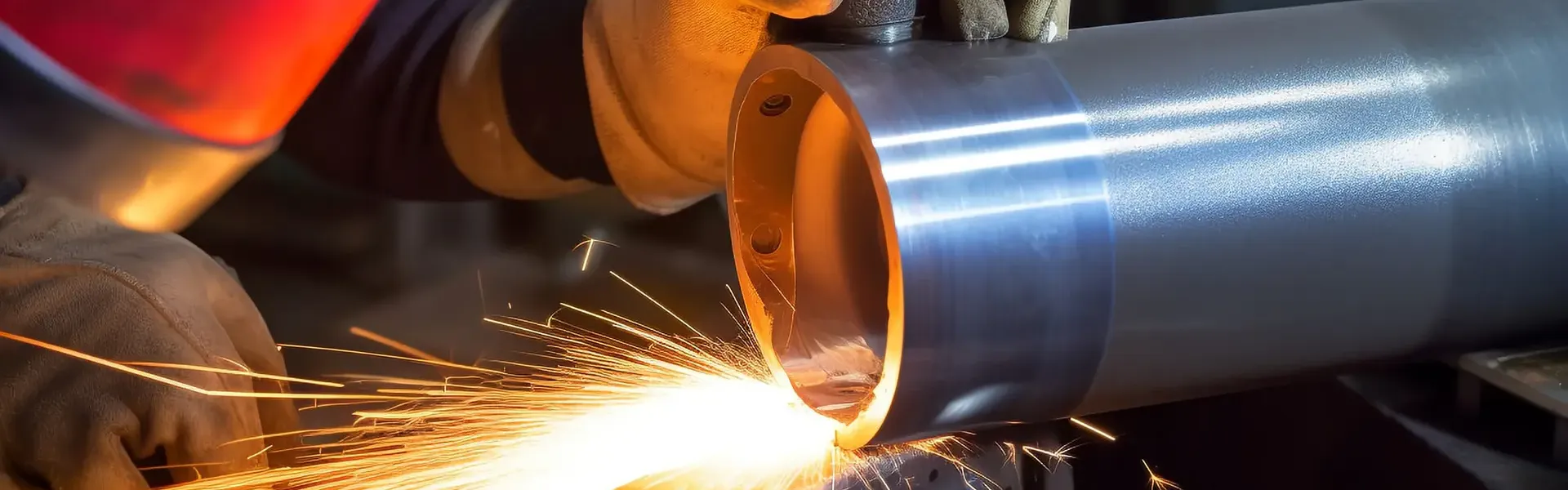
Why Are Longitudinal Welded Steel Pipes Still a Preferred Choice for Modern Industrial Pipeline Systems?
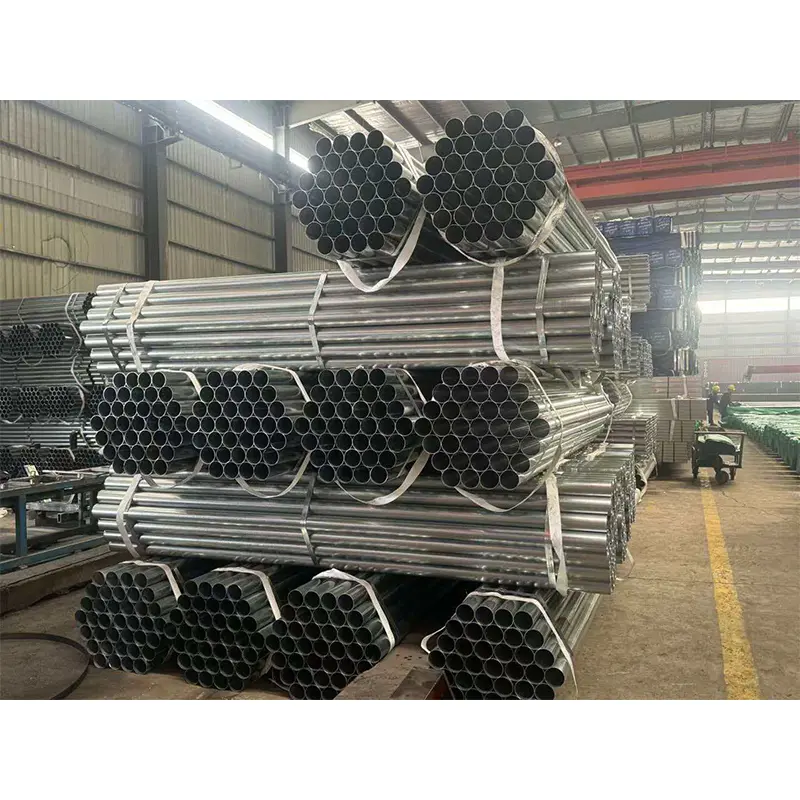
In the development of modern infrastructure, energy transportation, construction engineering, and industrial manufacturing, steel pipes remain one of the most critical structural and fluid transportation components. Among various steel pipe manufacturing technologies, Longitudinal Welded Steel Pipe continues to play an important role due to its stable performance, dimensional accuracy, and cost-effective production advantages.
With increasing requirements for pressure resistance, corrosion protection, and long-term service reliability, engineers and project contractors continue to select longitudinal welded steel pipes for demanding industrial applications.
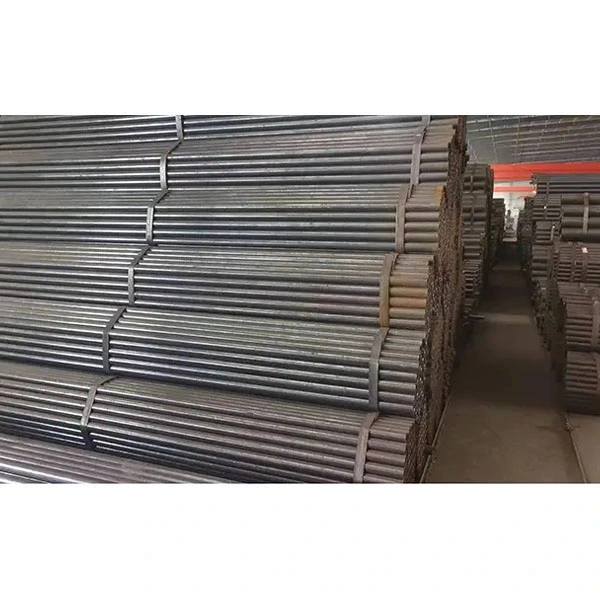
What Makes Longitudinal Welding Technology Different from Other Pipe Manufacturing Methods?
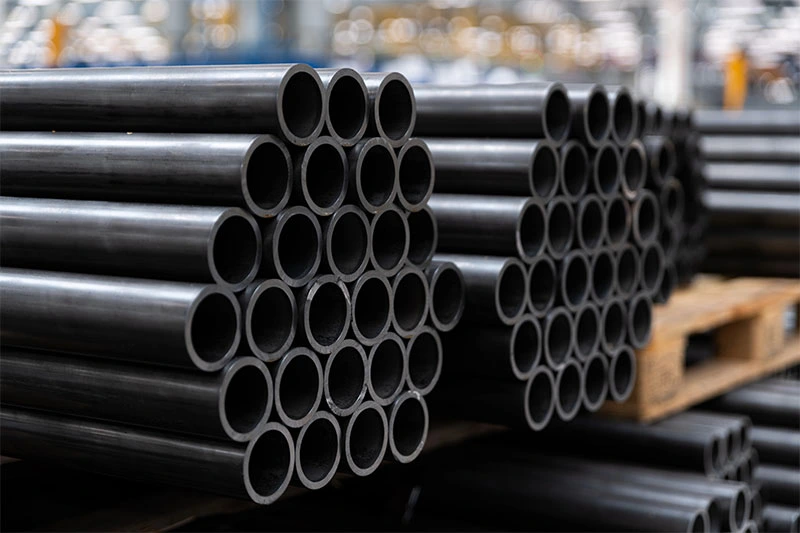
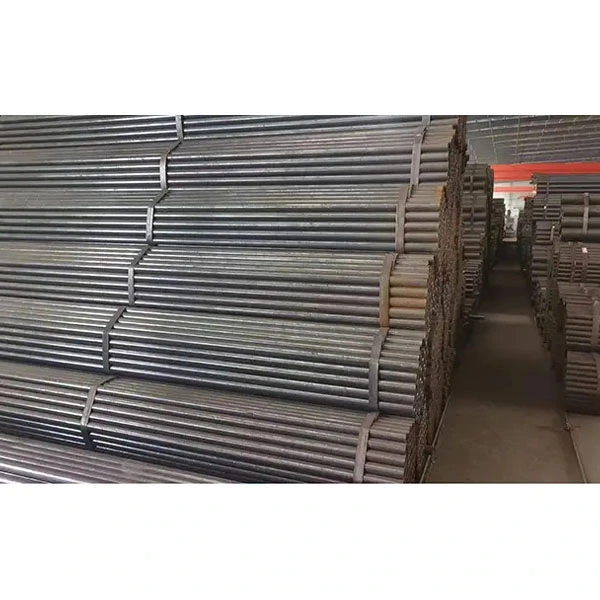
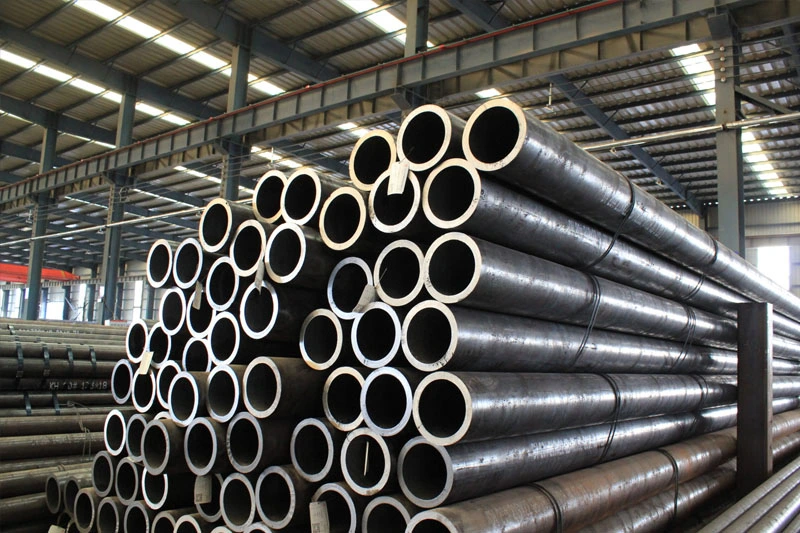
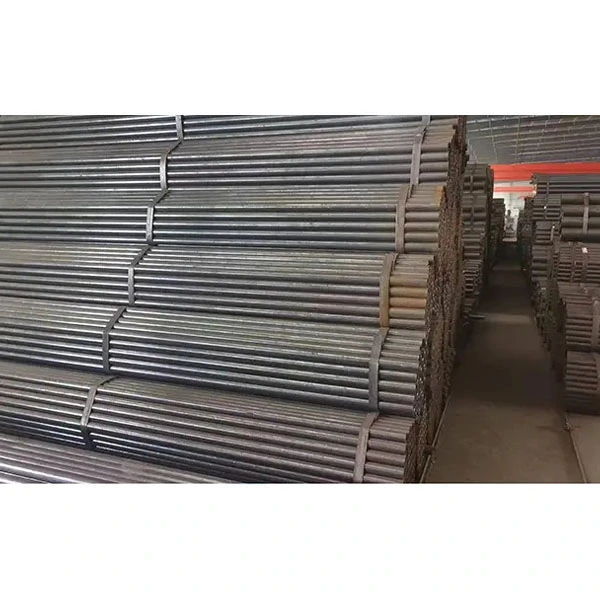
A Longitudinal Welded Steel Pipe is manufactured by forming a steel plate or steel coil into a cylindrical shape and welding along the longitudinal direction of the pipe body. Compared with seamless steel pipes, longitudinal welded pipes provide excellent dimensional control, flexible production capacity, and competitive manufacturing costs.
The typical manufacturing process includes:
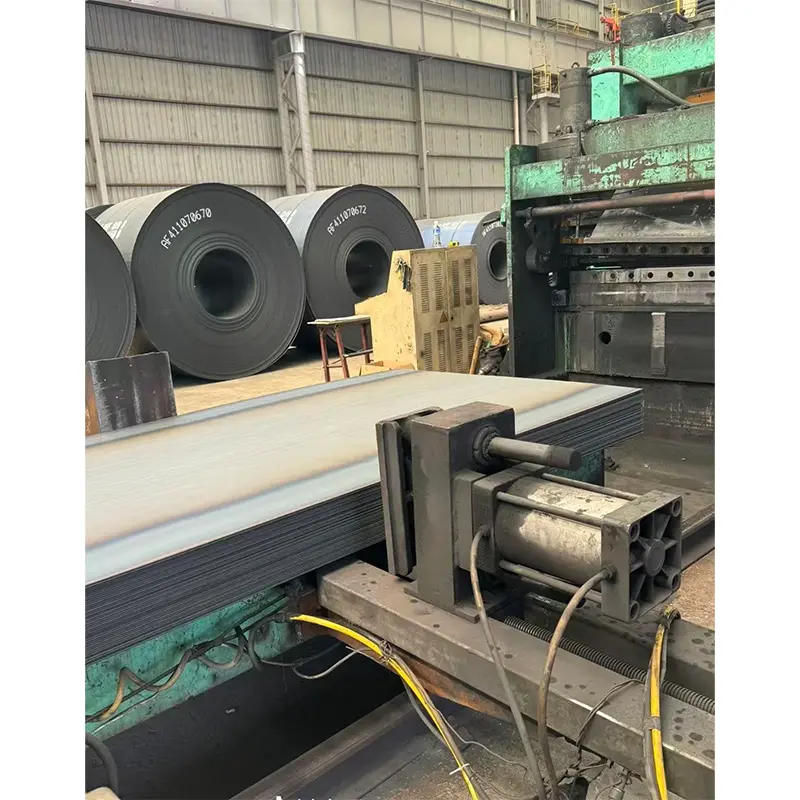
- High-quality steel plate or hot-rolled coil selection
- Precision edge preparation and pipe forming
- Advanced longitudinal seam welding process
- Non-destructive weld inspection
- Pipe sizing, straightening, and surface treatment
Depending on project requirements, manufacturers may apply different welding technologies, including High-Frequency Electric Resistance Welding (ERW) and Longitudinal Submerged Arc Welding (LSAW), to achieve different pipe diameters, wall thicknesses, and mechanical properties.
Why Is Weld Seam Quality Critical for Longitudinal Welded Steel Pipe Performance?
For welded steel pipes, the longitudinal weld seam directly influences the overall structural strength and service reliability. Modern steel pipe manufacturers apply strict quality control procedures to ensure weld consistency and durability.
Main Quality Inspection Methods Include:
- Ultrasonic Testing (UT): Detects internal weld defects and discontinuities.
- X-ray Inspection: Evaluates weld penetration and internal quality.
- Hydrostatic Testing: Ensures pressure resistance and leakage prevention.
- Dimensional Inspection: Controls pipe diameter, thickness, and straightness.
Advanced welding technologies have significantly improved the strength of longitudinal welded steel pipes, allowing them to meet demanding requirements in oil, gas, construction, and industrial applications.
How Do Longitudinal Welded Steel Pipes Support Different Industrial Applications?
1. Oil and Gas Pipeline Systems
In oil and gas transportation projects, pipelines must withstand high pressure, temperature fluctuations, and environmental stress. Large-diameter LSAW longitudinal welded steel pipes are widely used because of their excellent mechanical strength and reliable weld performance.
2. Construction and Structural Engineering
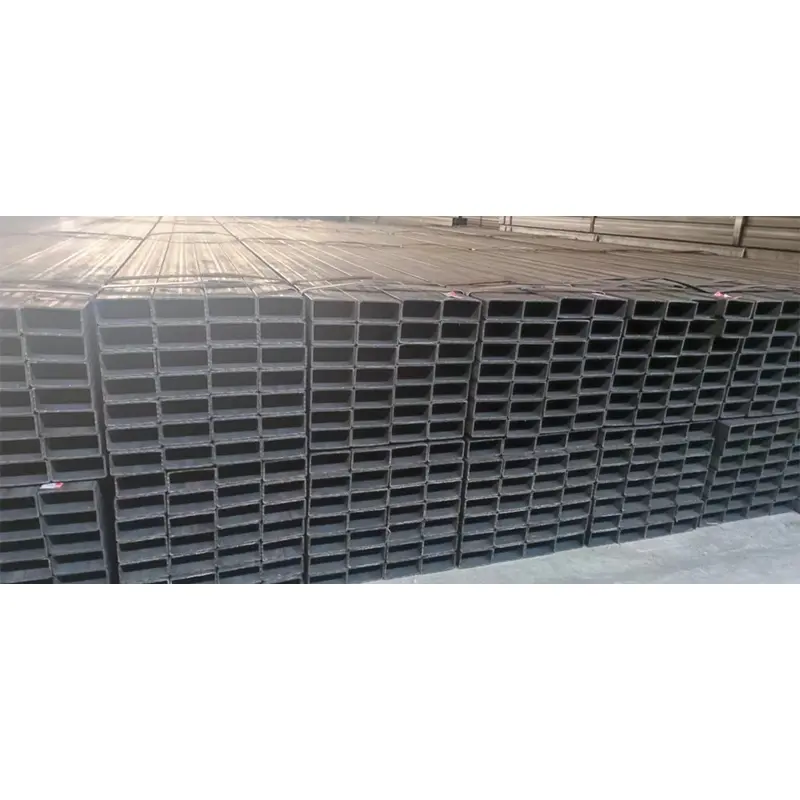
For buildings, bridges, steel structures, and foundation projects, longitudinal welded steel pipes provide strong load-bearing capability with accurate dimensions. Their uniform structure makes them suitable for structural columns, supports, and heavy-duty frameworks.
3. Water Supply and Industrial Fluid Transportation
Industrial water systems, chemical plants, and power facilities require pipes with reliable sealing performance and corrosion resistance. With proper coating solutions, longitudinal welded steel pipes can achieve extended service life in challenging environments.
4. Machinery and Equipment Manufacturing
Due to their stable mechanical properties and precise dimensions, longitudinal welded steel pipes are also widely used in machinery frames, transportation equipment, and industrial components.
What Factors Should Buyers Consider When Purchasing Longitudinal Welded Steel Pipes?
Selecting the right welded steel pipe requires professional evaluation beyond basic specifications such as diameter and wall thickness.
- Steel Grade: Different projects require different material grades according to strength, temperature, and corrosion conditions.
- Manufacturing Standards: International standards such as API, ASTM, EN, and ISO help ensure reliable product quality.
- Pressure Requirements: Pipe dimensions must match operating pressure and service conditions.
- Surface Protection: Anti-corrosion coatings such as 3PE, epoxy coating, and galvanizing improve durability.
- Supplier Capability: Professional manufacturers should have advanced production lines and strict quality management systems.
How Is Longitudinal Welded Steel Pipe Technology Developing in the Future?
With increasing demand for energy infrastructure, renewable energy projects, and industrial modernization, longitudinal welded steel pipe manufacturing continues to evolve.
- Intelligent welding control systems for improved production accuracy
- AI-based inspection technology for defect detection
- High-strength steel materials for lightweight pipeline solutions
- Advanced coating technology for harsh environments
- Digital production tracking and quality management systems
Conclusion
Longitudinal Welded Steel Pipe remains an essential solution for modern pipeline transportation and structural engineering because it combines manufacturing efficiency, reliable mechanical performance, and flexible customization capability.
With continuous innovation in welding technology, inspection methods, and material engineering, high-quality longitudinal welded steel pipes will continue to support global infrastructure development across energy, construction, and industrial sectors.
Related News
- How Can Steel Profiles Improve the Strength and Efficiency of Modern Construction?
- How Can a Quick Foldable Prefabricated House Support Rapid Construction Projects?
- What Makes Portable Container Houses Different From Traditional Buildings?
- What Makes Straight Seam Welded Steel Pipe a Reliable Choice for Modern Industrial Applications?
- Why Is a Quick Foldable Prefabricated House Suitable for Fast Deployment?
- Production process of hot-rolled seamless steel pipes
Leave me a message