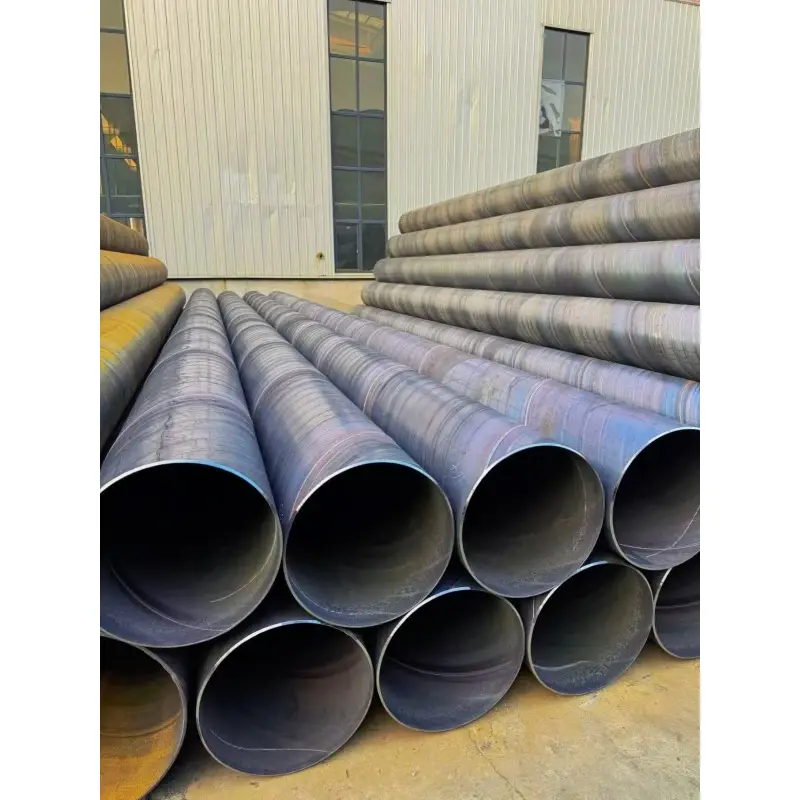
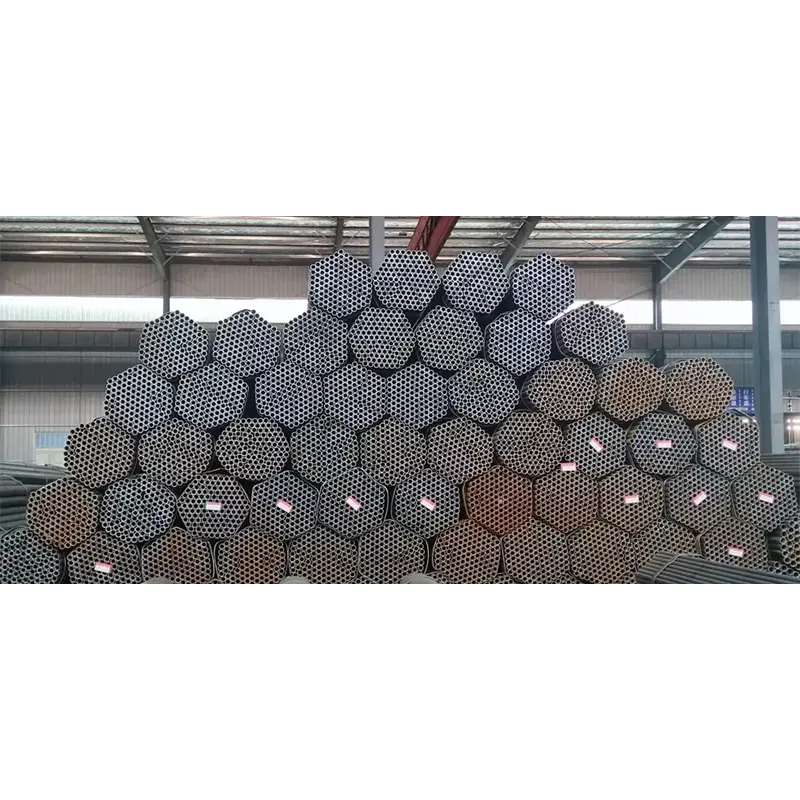
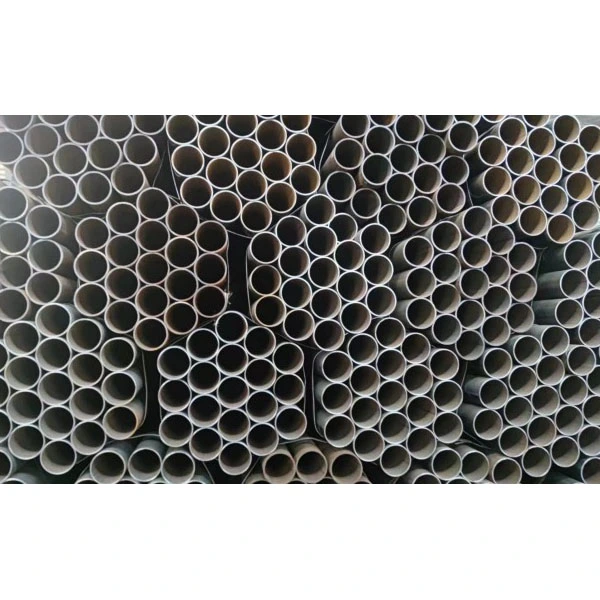
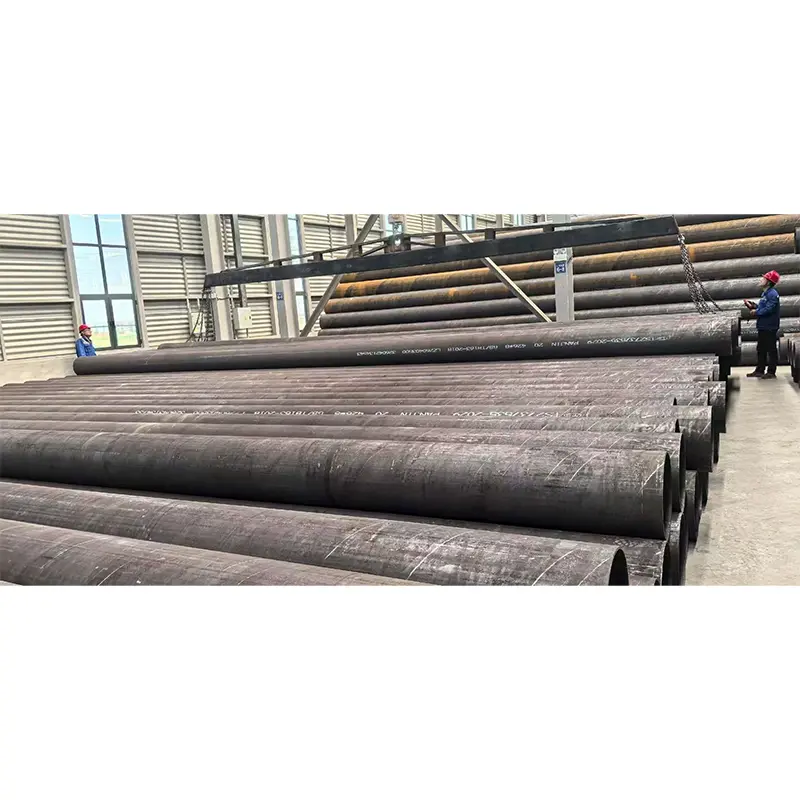
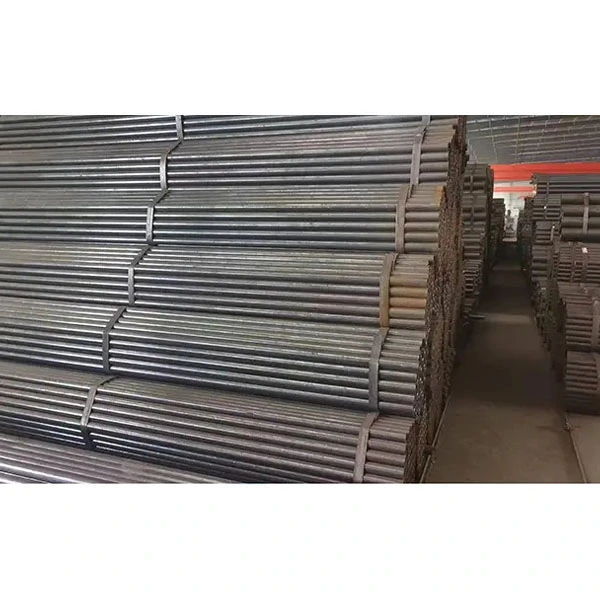
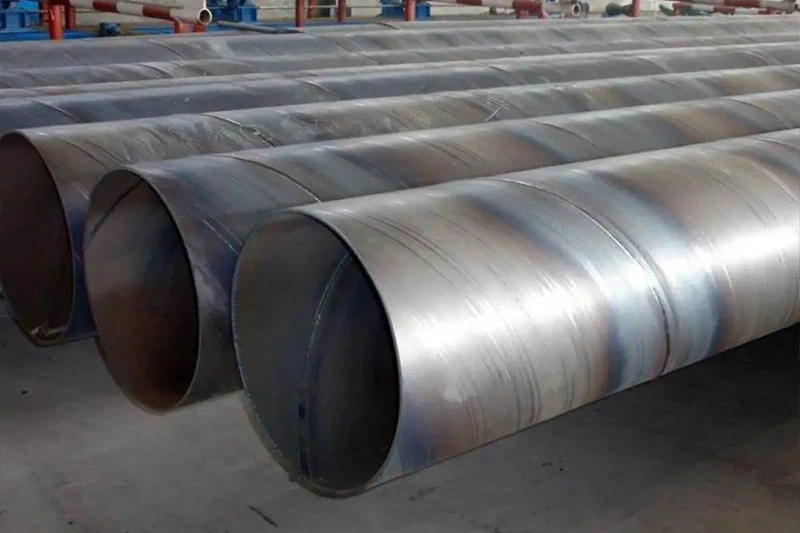
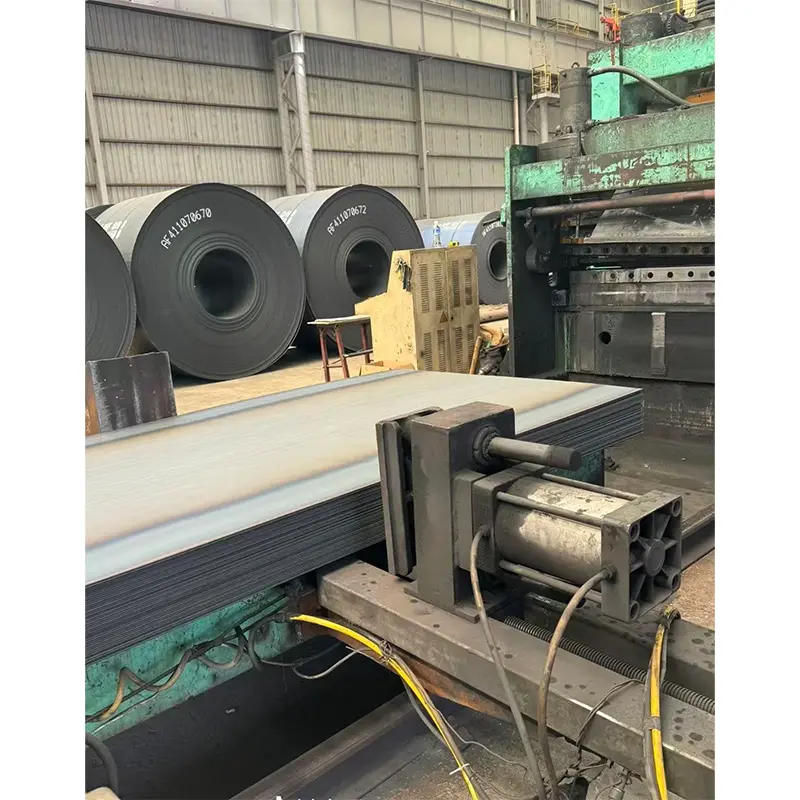
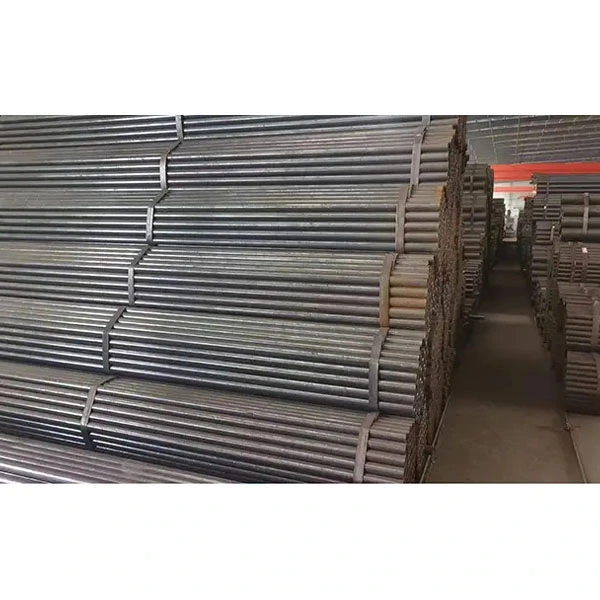
Core principles of hot-rolled seamless pipe production: Heating and piercing a solid steel billet → rolling into a hollow tube shell → multi-pass wall reduction and sizing → cooling and finishing. The process involves no weld seams, resulting in superior overall pressure-bearing performance.
I. Raw Material Preparation
Billet Inspection
Uses continuously cast round billets; undergoes flaw detection to check for internal cracks, porosity, and slag inclusions; measures outer diameter and length; rejects defective billets.
Cutting to Length
Sawed into fixed-length round billets based on finished product requirements; removes end-face burrs and oxide scale.
Grinding and Cleaning
Grinds away surface cracks, pits, and scabs to prevent defects from propagating during heating and rolling.
II. Billet Heating (Critical Process)
Fed into a rotary hearth furnace; heated uniformly with zoned temperature control at approximately 1200°C;
Adequate soaking time ensures temperature uniformity between the billet's interior and exterior, reducing piercing resistance and preventing internal cracking;
Transported via roller table after heating; high-temperature iron oxide scale is removed from the surface.
III. Piercing (Solid to Hollow)
Heated round billet fed into an oblique-rolling piercing mill; two inclined rolls drive the billet to rotate and advance;
A central piercing plug extrudes the billet, transforming the solid billet into a hollow shell (mother tube);
The resulting shell has uneven wall thickness, a rough surface, and short length; it is merely a semi-finished product.
IV. Pipe Rolling (Wall Reduction and Elongation – Core Forming Process)
Two mainstream processes:
1. Retained Mandrel Continuous Rolling (PQF – Mainstream high-precision process)
The shell is loaded onto a long mandrel and fed into a multi-stand continuous rolling mill; simultaneous rolling thins the wall and elongates the pipe, significantly improving wall thickness uniformity and dimensional precision.
2. Automatic Pipe Rolling Process (Older, small-scale units)
The shell is reheated; wall reduction is achieved through reciprocating rolling against a plug; primarily used for small-to-medium diameter standard seamless pipes.
Rolling yields a "rough pipe" (or bloom) with a significantly thinner wall and doubled length.
V. Equalizing and Reheating
Equalizing Mill: Uses cross-rolling for fine adjustment to eliminate ovality and correct localized wall thickness deviations;
The temperature of the hollow shell drops; it is then fed into a reheating furnace to raise the temperature in preparation for sizing.
VI. Sizing / Reducing (Controlling Outer Diameter)
Sizing Mill: Uses multiple stands of vertical rolls with circular grooves to standardize the outer diameter and ensure roundness;
Large-diameter, thick-walled pipes undergo sizing only; small-diameter, thin-walled pipes are processed with a reducing mill, which reduces the outer diameter over multiple passes for the mass production of small-specification seamless pipes.
VII. Cooling
The hot-rolled steel pipes pass over a cooling bed and are cooled to ambient temperature via air or water spray; this process relieves rolling stresses and stabilizes the microstructure.
VIII. Finishing
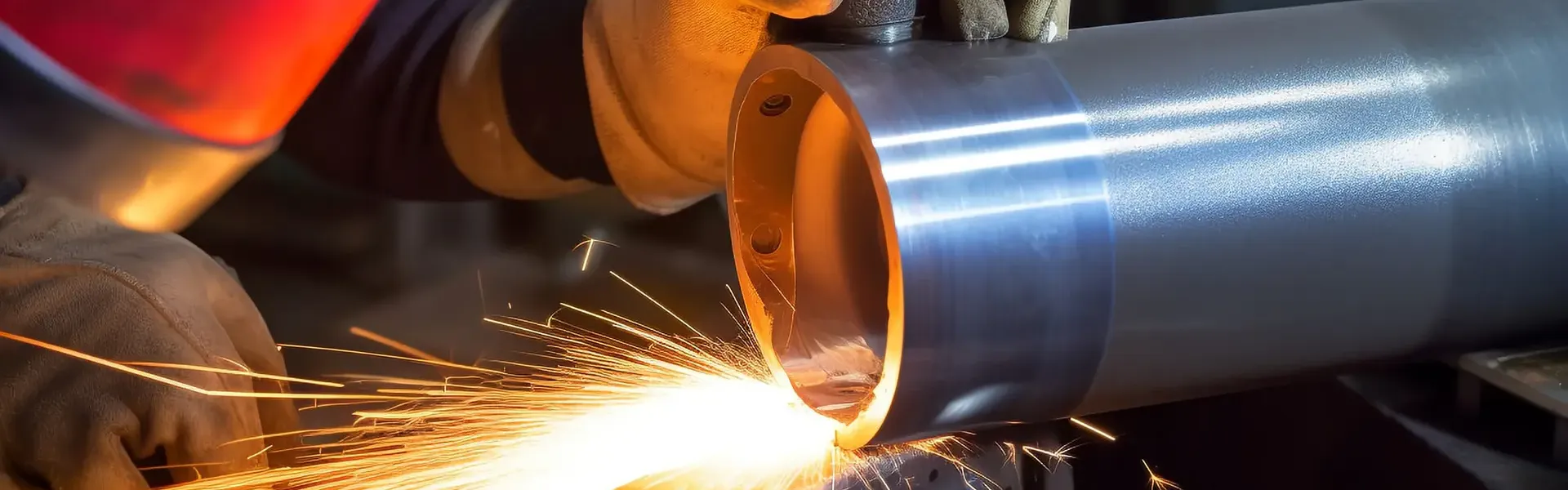
Straightening: A seven-roll straightener corrects curvature and ensures straightness;
End Cropping: Sawing off uneven or deformed sections at both ends to square the pipe ends;
End Facing and Beveling: Beveling the pipe ends to facilitate subsequent welding or connection.
IX. Inspection, Flaw Detection, and Warehousing
Dimensional Inspection: Spot checks on outer diameter, wall thickness, length, and ovality;
Non-Destructive Testing (NDT): Eddy current and ultrasonic testing to detect internal cracks or laminations;
Hydrostatic Testing: Pressure testing of individual pipes to check for leaks;
Manual Surface Re-inspection: Marking of steel grade, specifications, and batch number;
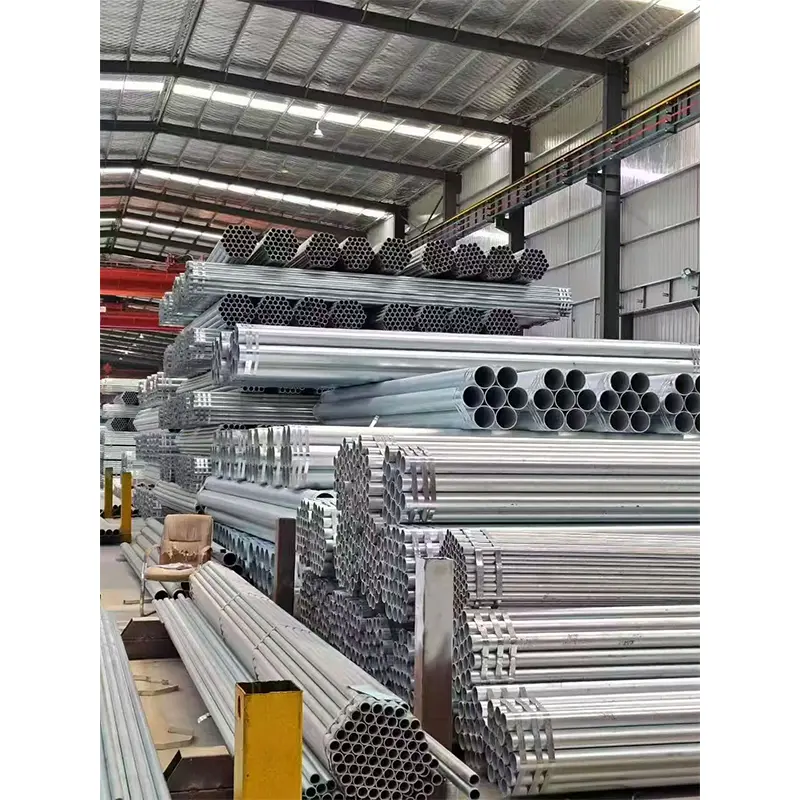
Anti-corrosion Treatment (as required): Application of anti-rust oil, blackening, or galvanizing; bundling and warehousing.
We use cookies to offer you a better browsing experience, analyze site traffic and personalize content. By using this site, you agree to our use of cookies. Privacy Policy