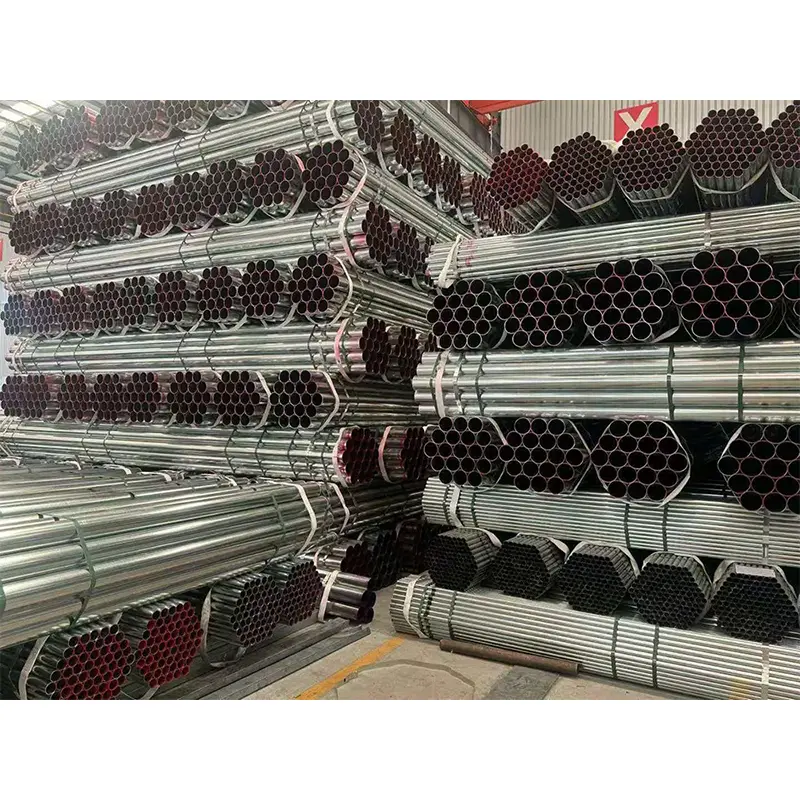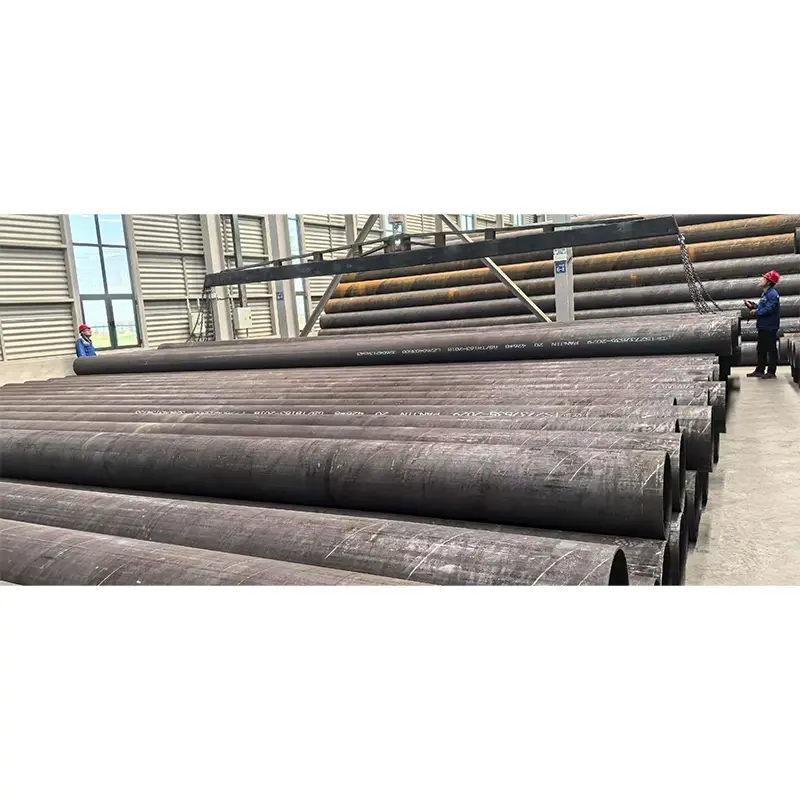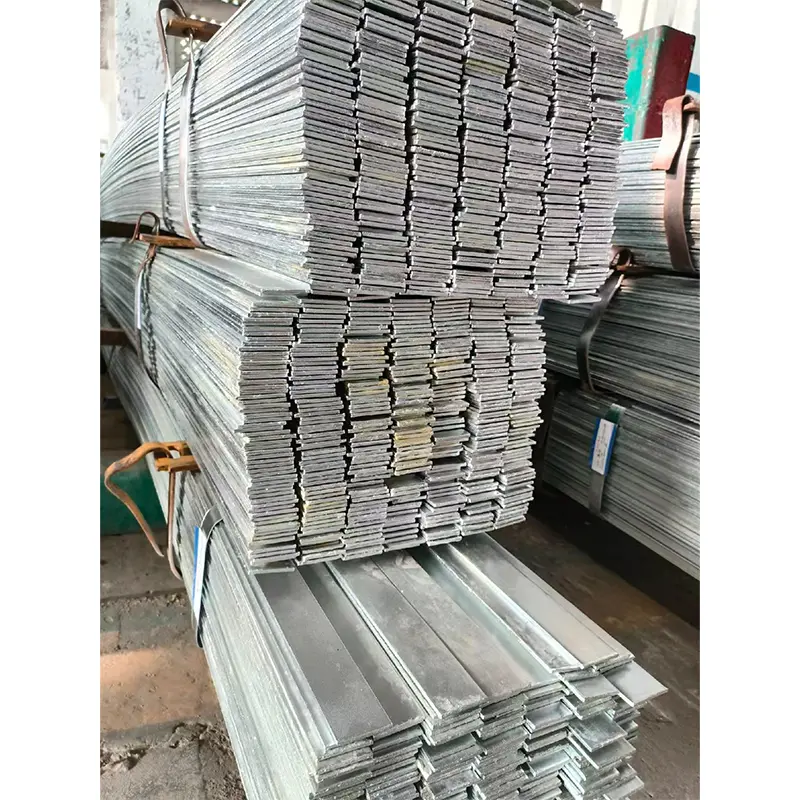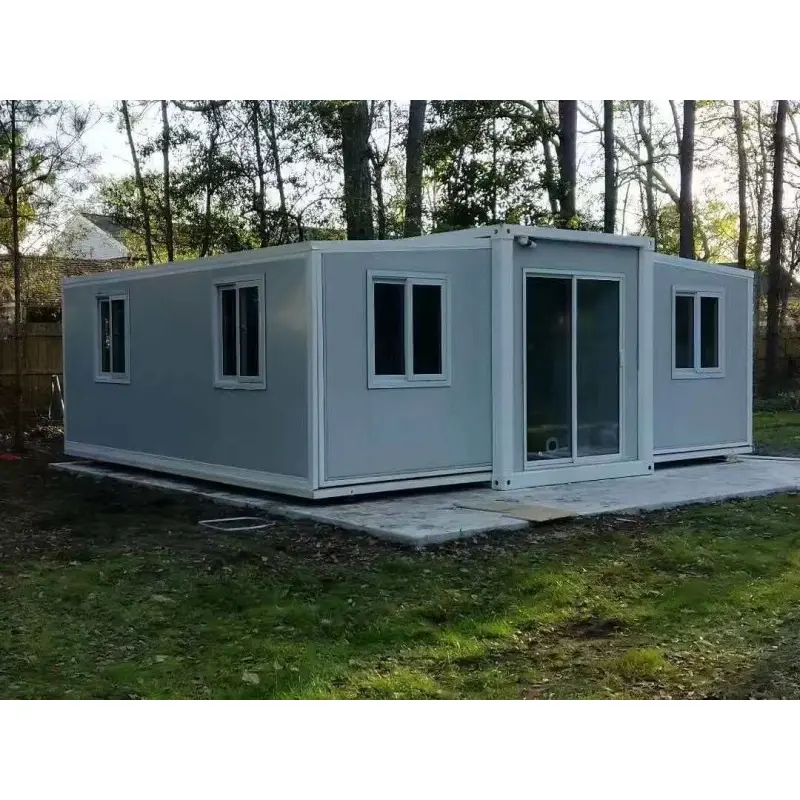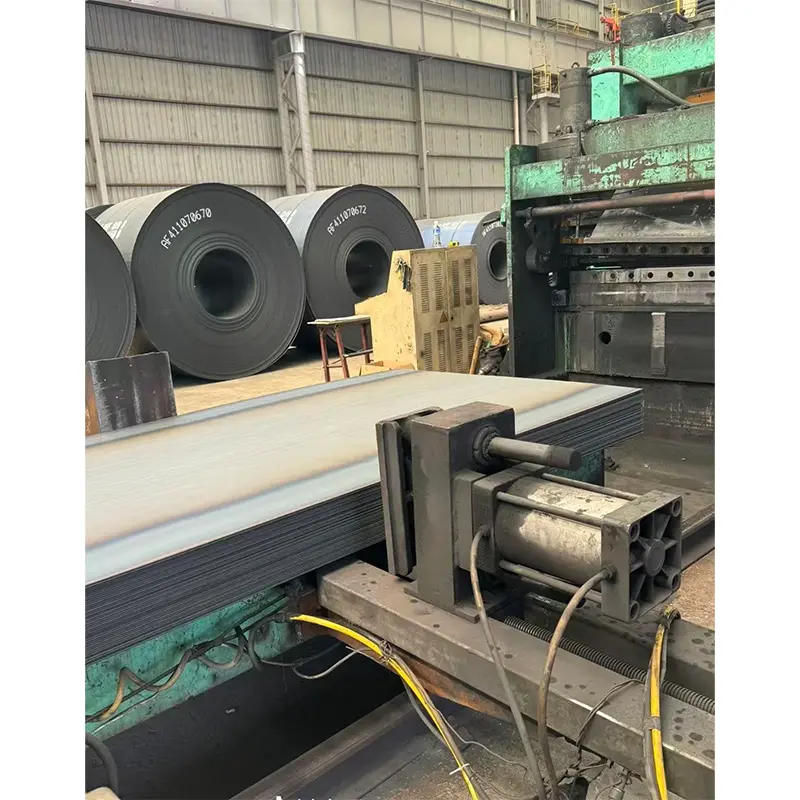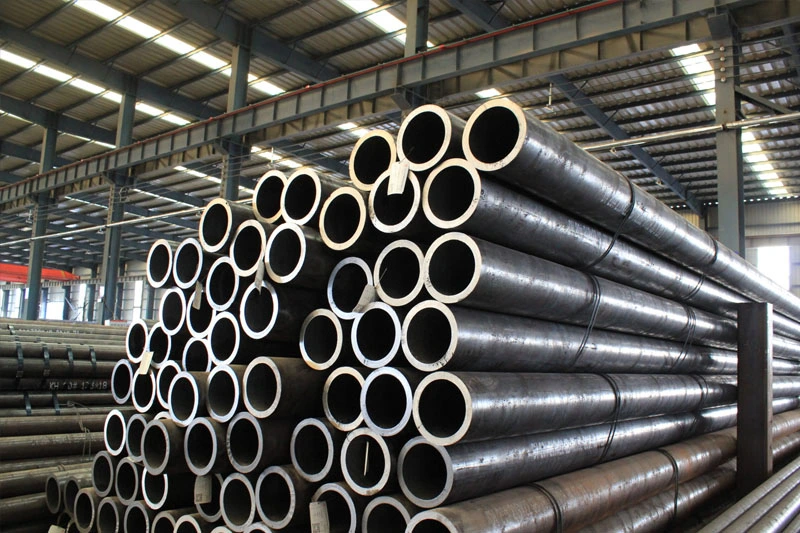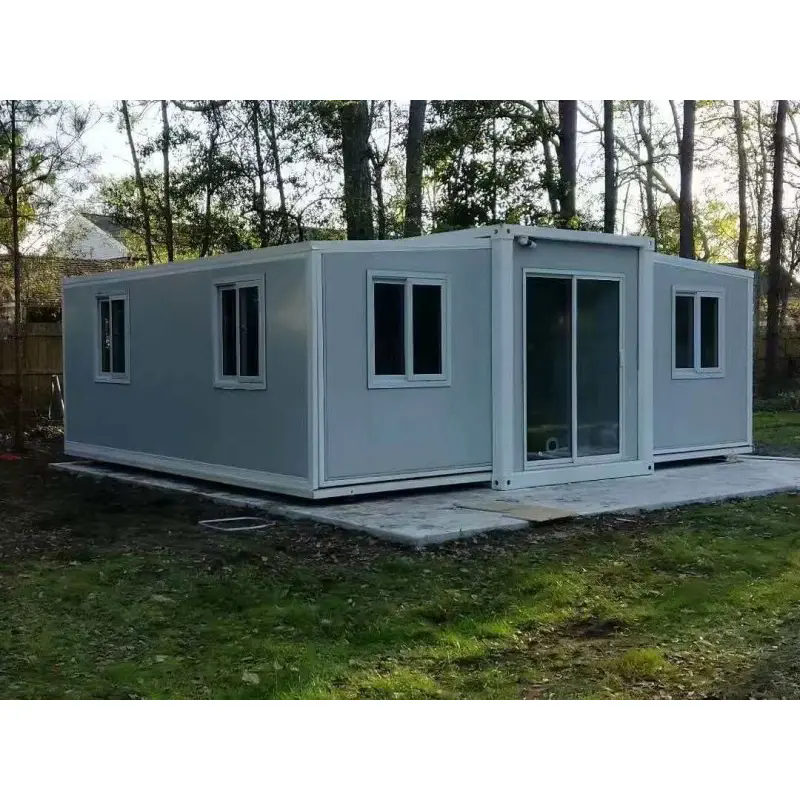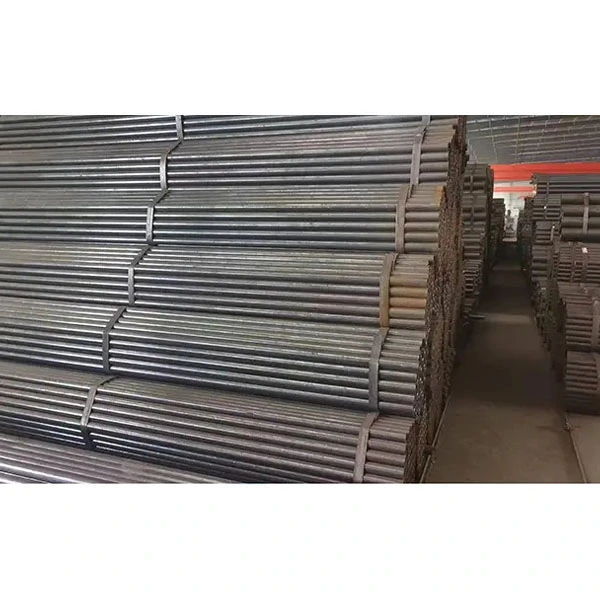
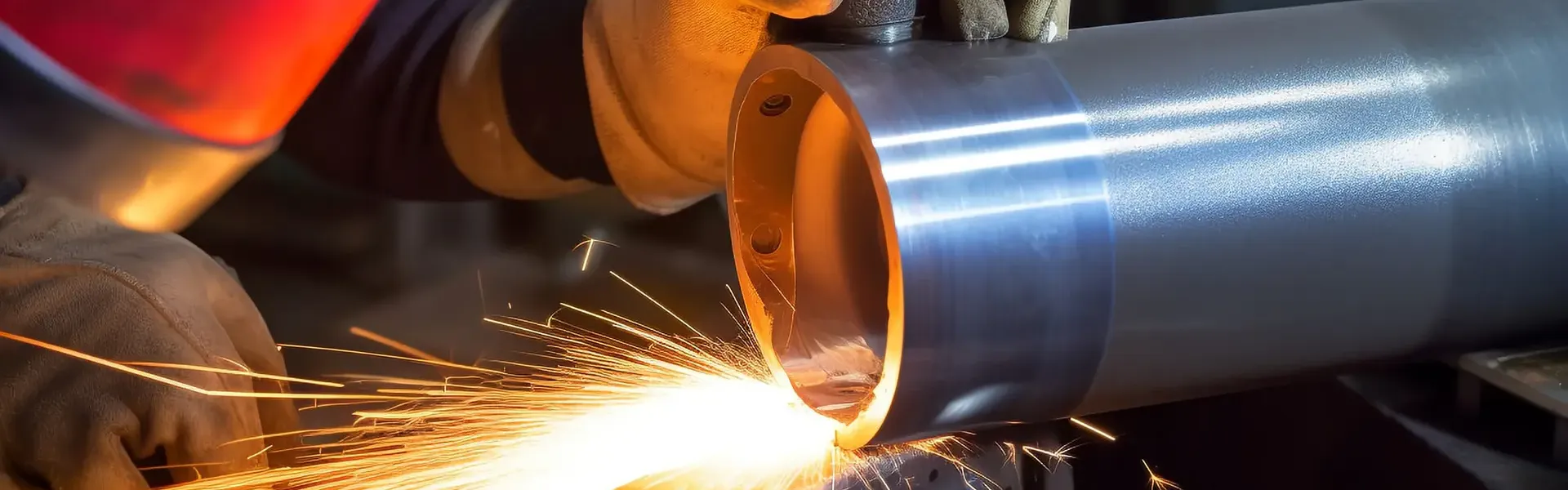
Steel Profiles are fundamental components in modern construction, industrial fabrication, infrastructure, machinery, and architectural projects. Their engineered cross-sections provide an effective balance between strength, weight, stability, and manufacturing efficiency. However, selecting the right profile is not simply a matter of choosing a steel shape from a catalog. Buyers must consider load requirements, dimensions, steel grade, surface condition, fabrication processes, corrosion exposure, tolerances, delivery requirements, and total project cost. This guide explains how Steel Profiles work, where they are used, how to select them, which factors affect performance, and how professional sourcing can reduce common purchasing risks.
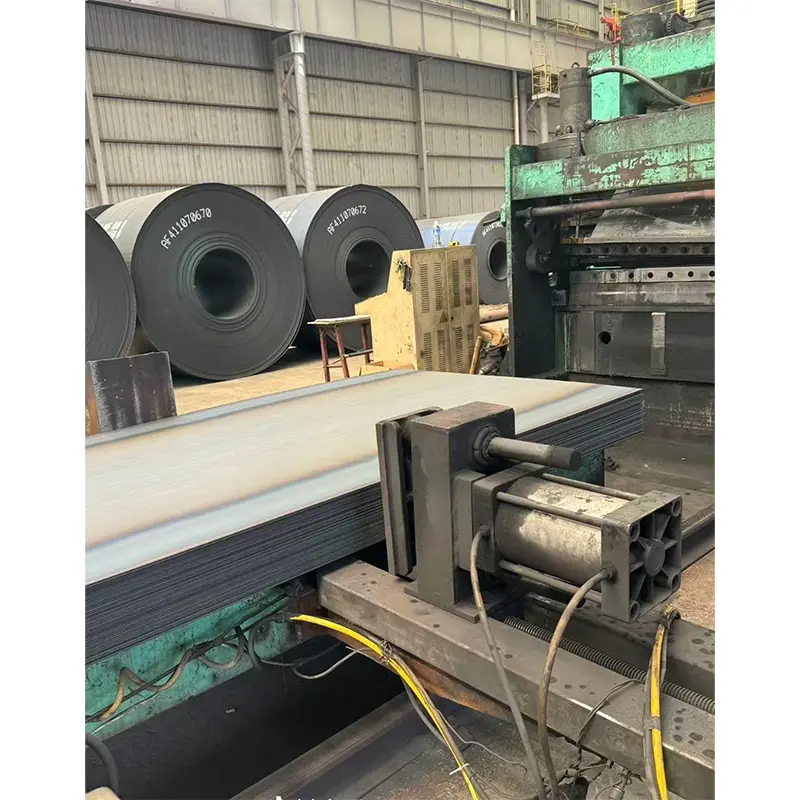
Table of Contents
- What Are Steel Profiles?
- Why Are Steel Profiles Important?
- Common Types of Steel Profiles
- Where Are Steel Profiles Used?
- How to Select the Right Steel Profile?
- Key Performance Factors
- How Can Buyers Reduce Purchasing Risks?
- Steel Profile Selection Comparison
- Main Benefits for Construction and Manufacturing
- Frequently Asked Questions
- Contact Us
What Are Steel Profiles?
Steel Profiles are steel products manufactured with specific cross-sectional shapes to provide predictable mechanical and structural performance. Instead of using a simple flat steel plate for every application, engineers can select a profile designed to distribute loads efficiently and resist bending, compression, twisting, or other forces.
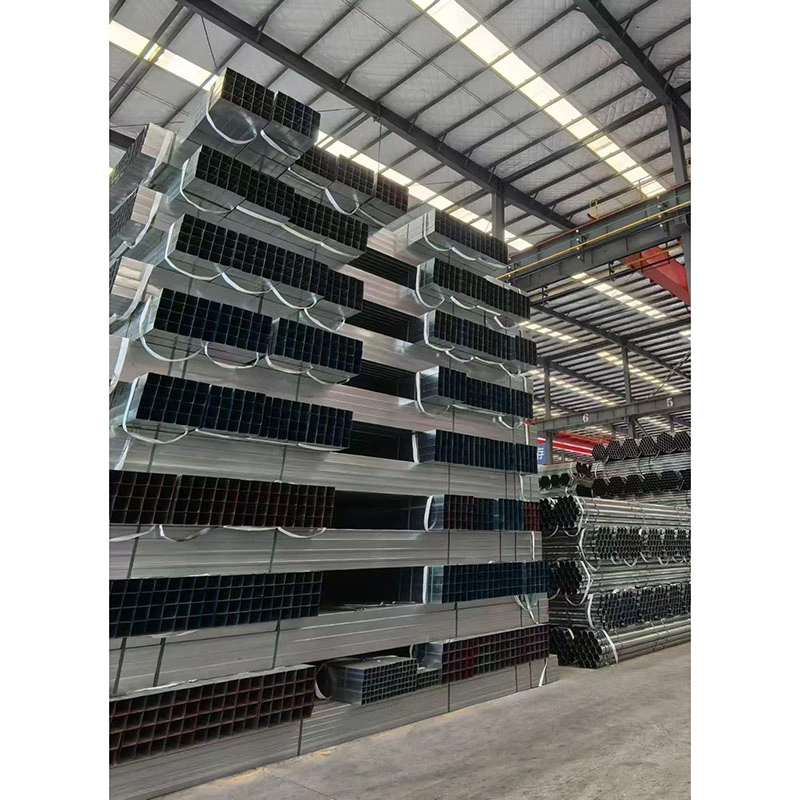
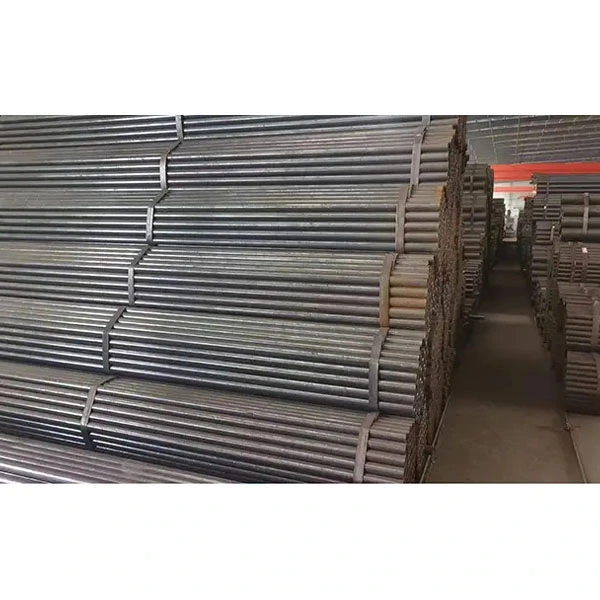
Common examples include H-shaped beams, I-shaped sections, channels, angles, T-sections, hollow structural sections, square tubes, rectangular tubes, and specialized fabricated profiles. Each geometry offers different advantages depending on the application.
The geometry of a profile is particularly important because material can be positioned where it contributes most effectively to structural resistance. This allows manufacturers and engineers to achieve high strength without unnecessarily increasing the total weight of a component.
Why Are Steel Profiles Important?
Construction and industrial projects increasingly require materials that combine structural reliability with efficient fabrication and installation. Steel Profiles address these requirements through standardized dimensions, strong mechanical properties, design flexibility, and compatibility with common fabrication methods.
Using oversized components can increase transportation, handling, foundation, and installation costs. Properly engineered profiles can provide the required strength while keeping material usage under control.
Poorly selected sections can increase cutting, drilling, welding, and assembly work. A suitable profile can simplify fabrication and improve production efficiency.
Dimensional deviations can create problems during assembly, especially when steel components must connect precisely with other prefabricated parts. Reliable manufacturing and inspection help minimize these issues.
Outdoor and industrial environments may expose steel to moisture, chemicals, salt, or temperature changes. Appropriate steel grades and surface treatments can significantly improve service durability.
Common Types of Steel Profiles
Different profiles are developed for different structural and fabrication requirements. Understanding the basic characteristics of each type makes the purchasing process much easier.
| Profile Type | Typical Characteristics | Common Applications |
|---|---|---|
| H-Beam | Wide flanges and high load-bearing capability | Buildings, bridges, industrial structures |
| I-Beam | Efficient resistance to bending loads | Structural frames, platforms, support systems |
| Channel Steel | U-shaped cross-section with practical fabrication characteristics | Frames, machinery, supports, construction components |
| Angle Steel | L-shaped geometry suitable for reinforcement and framing | Brackets, towers, frames, supports |
| Square Tube | Closed section with good torsional performance | Frames, equipment, furniture, architectural structures |
| Rectangular Tube | Closed section with flexible width-to-height ratios | Structural frames, machinery, transportation equipment |
The choice should always be based on engineering requirements rather than appearance alone. Two profiles with similar external dimensions can behave very differently because of differences in wall thickness, flange geometry, steel grade, and manufacturing tolerances.
Where Are Steel Profiles Used?
The versatility of Steel Profiles makes them suitable for applications ranging from large infrastructure projects to relatively small fabricated assemblies.
- Building construction: structural frames, columns, beams, mezzanines, and roof structures.
- Industrial facilities: equipment supports, platforms, maintenance structures, and production frameworks.
- Infrastructure: bridges, transportation facilities, utility structures, and public works.
- Warehouses: storage structures, racks, frames, and supporting systems.
- Machinery: equipment frames, machine bases, brackets, and structural components.
- Architectural projects: decorative structures, partitions, façades, staircases, and custom frameworks.
- Transportation: trailers, containers, vehicle structures, and specialized equipment.
Their adaptability is one reason steel remains a preferred material for projects where strength, fabrication flexibility, and long-term reliability are important.
How to Select the Right Steel Profile?
Selecting the correct Steel Profiles requires more than comparing prices. A lower unit price can become expensive if the material does not meet dimensional, mechanical, or project-specific requirements.
- Define the application. Identify whether the profile will be used as a beam, column, frame, bracket, machinery component, or another structural element.
- Determine load requirements. Consider static loads, dynamic loads, bending forces, compression, tension, and potential impact conditions.
- Specify dimensions accurately. Confirm profile size, wall thickness, flange dimensions, length, and acceptable tolerances.
- Select an appropriate steel grade. The grade should match required strength, weldability, toughness, corrosion resistance, and operating conditions.
- Consider fabrication. If cutting, drilling, bending, or welding will be required, material characteristics should be compatible with the intended processes.
- Evaluate the environment. Outdoor, coastal, humid, high-temperature, and chemically exposed environments may require additional protection or a different material specification.
- Confirm inspection requirements. Discuss dimensional inspection, chemical composition, mechanical testing, surface condition, and relevant documentation before ordering.
Key Performance Factors
The performance of Steel Profiles depends on a combination of material properties, geometry, manufacturing quality, and environmental conditions.
| Factor | Why It Matters |
|---|---|
| Steel Grade | Determines strength, toughness, weldability, and suitability for specific applications. |
| Profile Geometry | Affects load distribution, bending resistance, stability, and weight efficiency. |
| Wall or Flange Thickness | Influences strength, stiffness, buckling resistance, and overall weight. |
| Dimensional Tolerance | Important for accurate fabrication, assembly, and compatibility with connected components. |
| Surface Condition | Affects corrosion protection, appearance, coating adhesion, and preparation requirements. |
| Manufacturing Quality | Consistent production helps ensure predictable dimensions and mechanical performance. |
How Can Buyers Reduce Purchasing Risks?
Buyers often face several challenges when sourcing structural steel: unclear specifications, inconsistent quality, unexpected delivery delays, unsuitable dimensions, and difficulty comparing quotations from different suppliers.
A practical procurement process should therefore begin before the quotation stage.
- Prepare a detailed technical specification.
- Confirm whether standard or customized dimensions are required.
- Ask for material certificates and quality documentation when applicable.
- Confirm production and inspection procedures.
- Clarify packaging and transportation requirements.
- Verify production lead time before placing the order.
- Request samples or trial quantities for unfamiliar specifications when practical.
- Compare the total delivered cost rather than unit price alone.
Supplier communication is especially important for international buyers. Differences in terminology, standards, units, tolerances, and documentation can cause avoidable misunderstandings. A professional steel trading partner should be able to clarify technical requirements before production or shipment.
Steel Profile Selection Comparison
| Requirement | Recommended Consideration | Buyer Priority |
|---|---|---|
| Heavy structural loads | High-strength structural sections with suitable geometry | Strength and stability |
| Lightweight framing | Efficient hollow or optimized sections | Weight and stiffness |
| Complex fabrication | Profiles compatible with cutting, drilling, and welding | Fabrication efficiency |
| Outdoor use | Suitable steel grade and corrosion-protection system | Durability |
| High-volume projects | Standardized profiles with stable supply capability | Consistency and delivery |
| Special engineering projects | Customized dimensions or fabricated sections | Technical support |
Main Benefits for Construction and Manufacturing
When properly specified and manufactured, Steel Profiles can provide a combination of technical and commercial advantages.
- High structural strength: Steel offers excellent strength-to-weight characteristics for many structural applications.
- Design flexibility: Different profile geometries allow engineers to adapt structures to varying loads and space limitations.
- Efficient fabrication: Many profiles can be cut, drilled, welded, and assembled using established industrial processes.
- Predictable performance: Standardized profiles and controlled manufacturing processes support consistent project execution.
- Long service potential: With appropriate material selection and corrosion protection, steel structures can provide durable service.
- Reusability and recyclability: Steel can support more sustainable material management throughout its lifecycle.
- Broad availability: Common structural profiles are widely used across global construction and manufacturing industries.
These advantages become more valuable when the profile selection is aligned with the project's actual technical and commercial objectives.
Frequently Asked Questions About Steel Profiles
Steel Profiles are commonly used for structural frames, beams, columns, industrial equipment supports, machinery frames, warehouses, bridges, architectural structures, and many other fabricated applications.
The required size depends on factors such as load, span, support conditions, allowable deflection, steel grade, installation method, and project design requirements. Structural applications should be evaluated using appropriate engineering calculations.
Yes. Steel Profiles can be used outdoors when the material specification and corrosion-protection system are suitable for the environmental conditions. Coatings, galvanizing, paint systems, or appropriate corrosion-resistant materials may be considered depending on the project.
Depending on the supplier's manufacturing capabilities, steel profiles can be supplied in customized lengths, dimensions, surface conditions, or fabricated configurations. Detailed drawings and technical specifications are recommended for customized requirements.
Buyers should ideally provide the profile type, dimensions, steel grade, quantity, length, surface treatment, tolerance requirements, applicable standards, delivery destination, and intended application.
Consistent manufacturing quality affects dimensions, mechanical performance, surface condition, documentation, and delivery reliability. Choosing a supplier capable of understanding and controlling these factors can reduce project delays and quality-related costs.
Looking for Reliable Steel Profiles for Your Project?
Finding the right Steel Profiles is about more than obtaining a competitive quotation. You need dependable material specifications, consistent quality, suitable dimensions, reliable supply, and professional communication throughout the purchasing process.
Tianjin YuJie Steel Pipe Trading Co.,Ltd. provides steel products and trading services for customers seeking dependable solutions for construction, industrial fabrication, infrastructure, and related applications. Whether you need standard steel profiles or have specific dimensional and material requirements, discussing your project details with an experienced supplier can help you identify a practical solution.
Have questions about steel grades, dimensions, profile specifications, quantities, or delivery requirements? Contact us today to discuss your Steel Profiles requirements and receive a professional quotation tailored to your project.