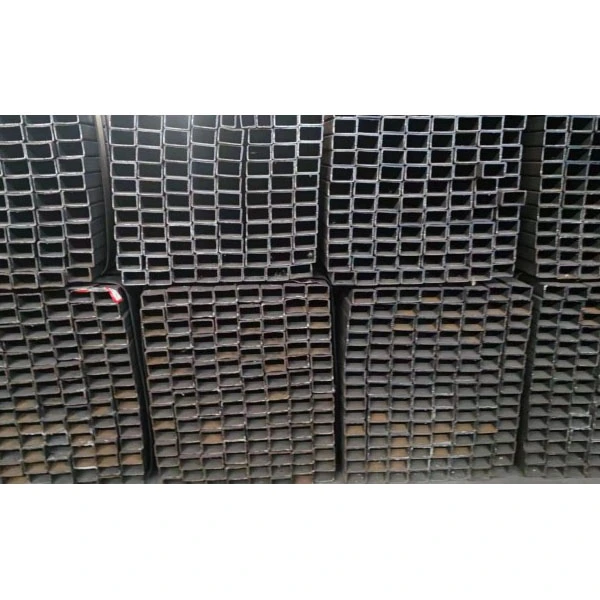
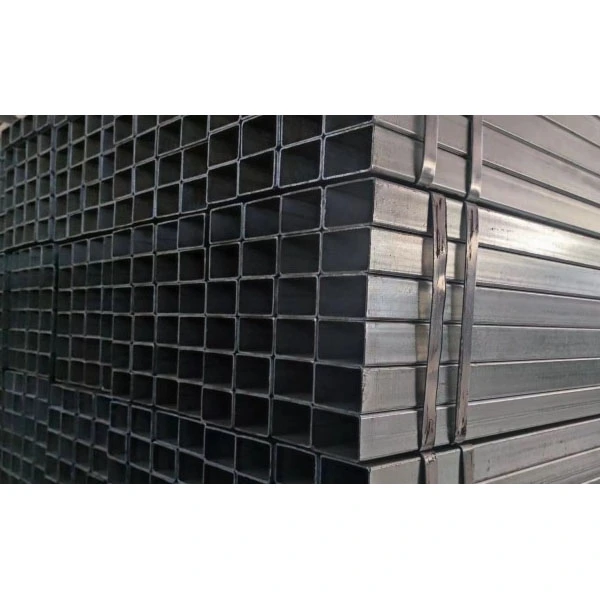
Rectangular and Square Steel Tube
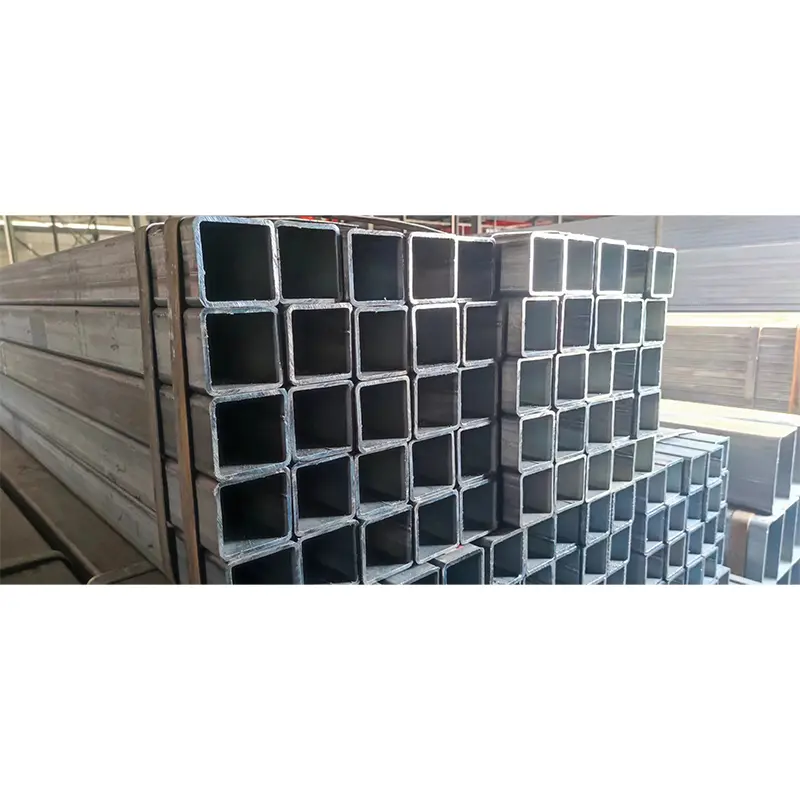
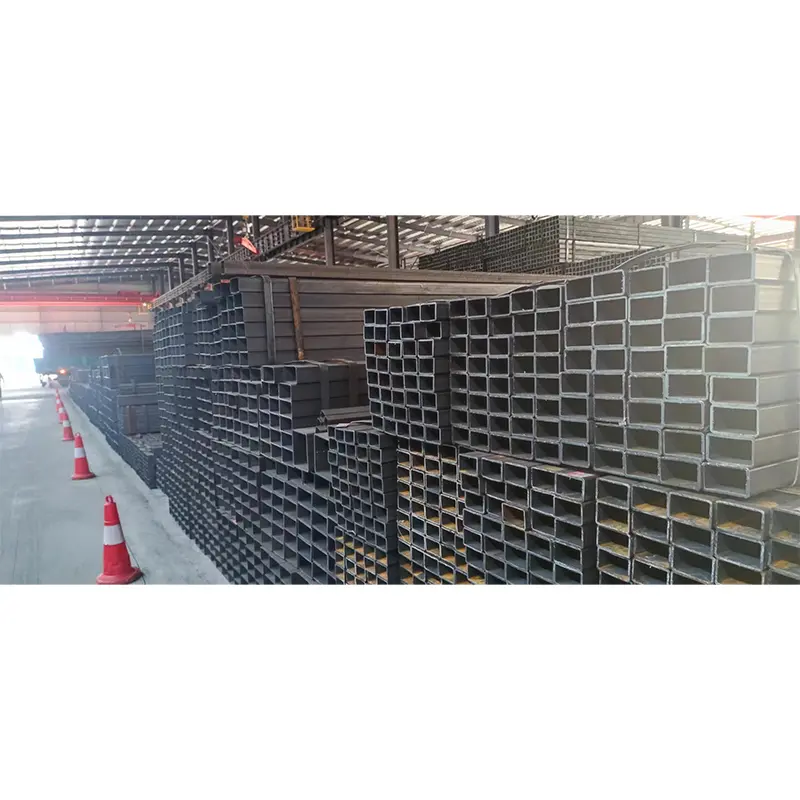
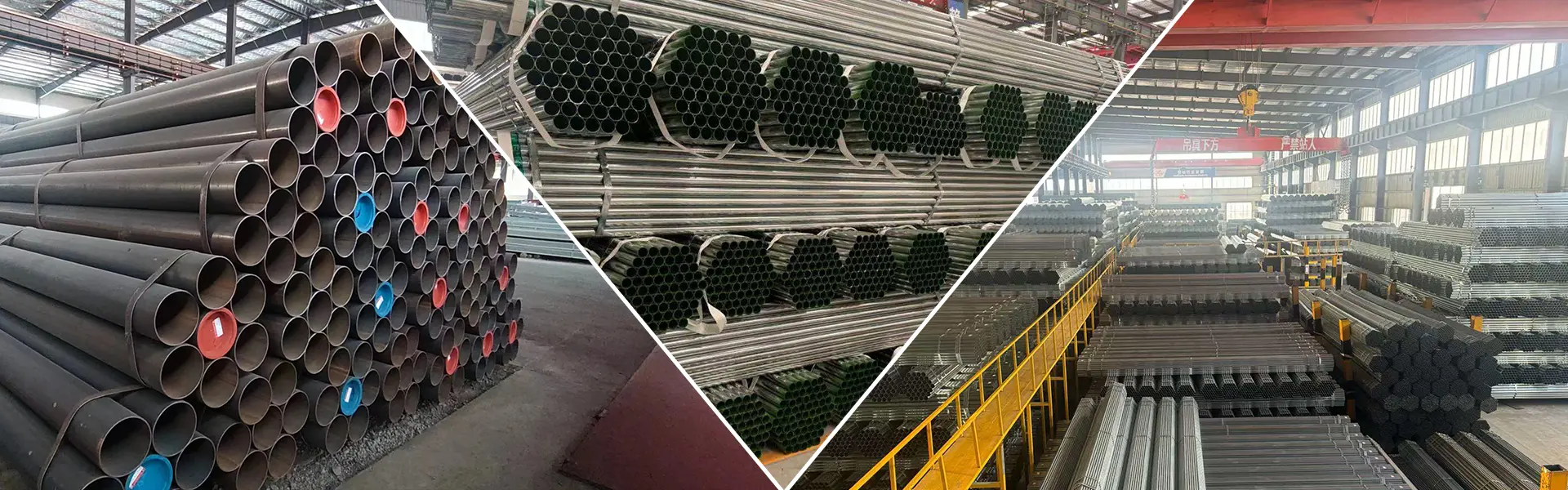
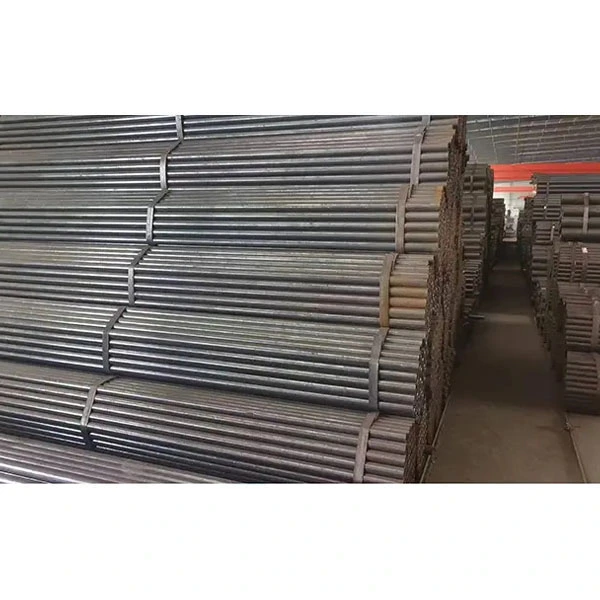
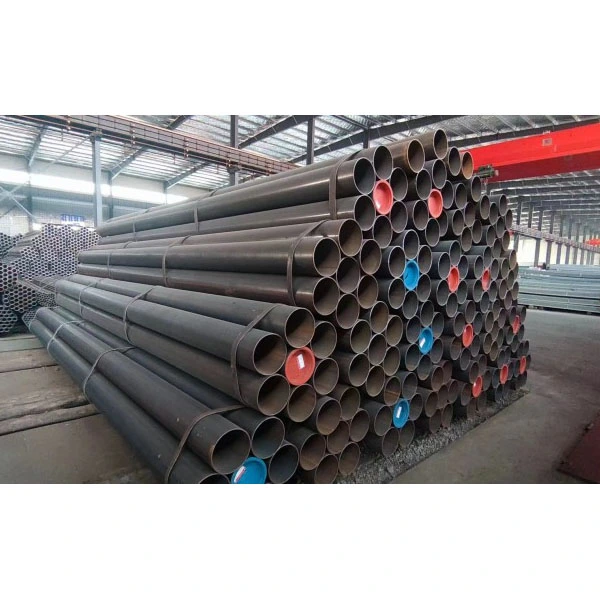
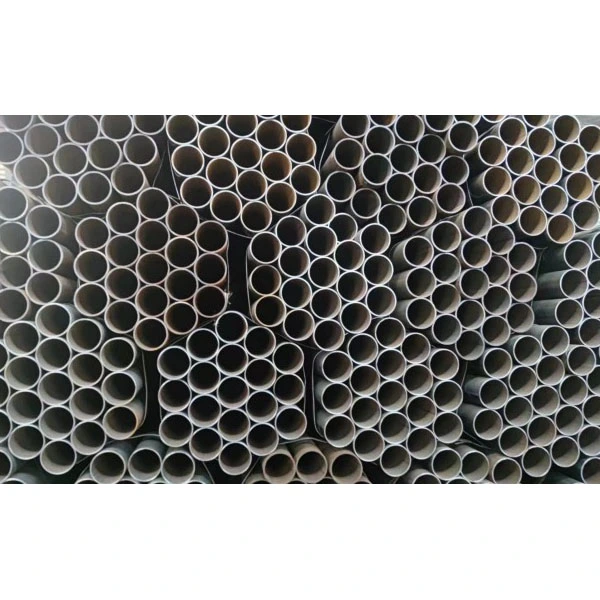
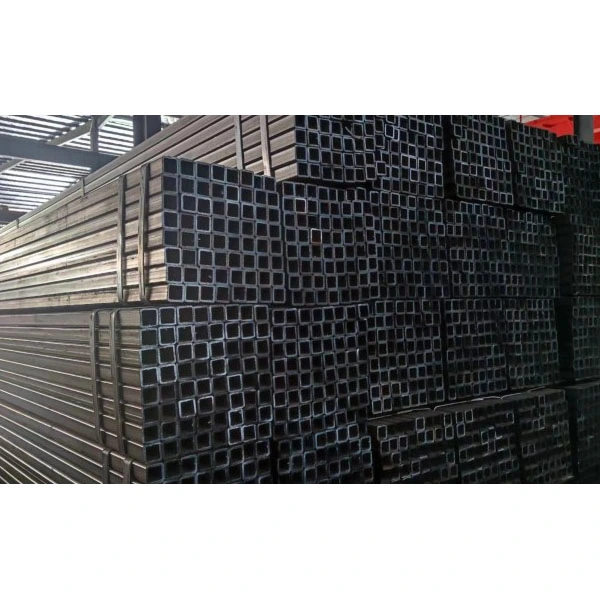
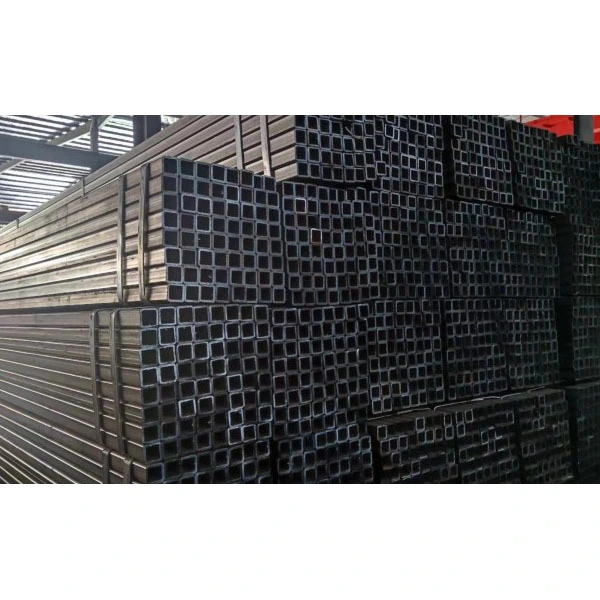
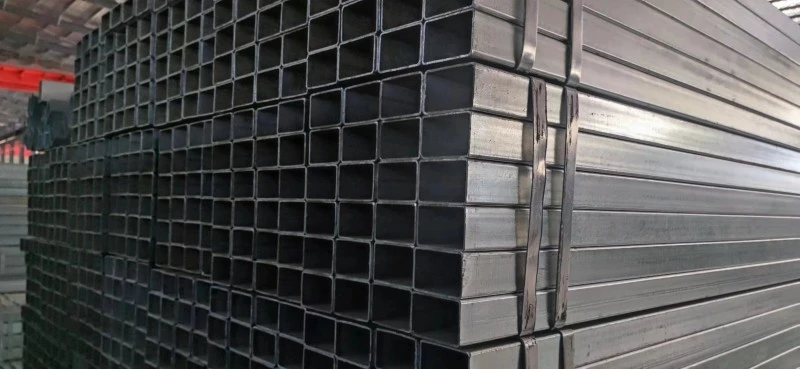
Rectangular and square steel tubes, commonly known as square or rectangular tubes, are hollow steel profiles with square or rectangular cross-sections. Chinese manufacturer ZHONGTIAN produces these products using cold bending, high-frequency welding, or round-to-square conversion processes. The mainstream materials are Q235B and Q355B, and the products conform to national standards such as GB/T 6728. These products offer excellent rigidity, easy installation, and outstanding cost-effectiveness, and are widely used in construction, machinery, photovoltaic, and municipal engineering. As a trusted supplier, ZHONGTIAN leverages its own modern factory to provide high-quality square and square steel tubes to customers worldwide.
ZHONGTIAN's Rectangular and Square Steel Tubes, primarily manufactured using cold bending and high-frequency welding processes, are structural profiles with excellent comprehensive performance. Utilizing standardized production processes and a rigorous quality control system, the products offer a wide range of specifications, excellent rigidity, easy installation, and high cost-effectiveness. As a comprehensive supplier integrating R&D, production, and sales, ZHONGTIAN, based in China, serves global customers with its professional factory capabilities. Its products are widely used in construction, municipal engineering, machinery, photovoltaic, and other industries, providing reliable material solutions for various engineering projects.
Basic Definitions and Specifications
1. Product Definitions
- Square Tube: Square cross-section with all four sides of equal length (e.g., 20×20 mm).
- Rectangular Tube: Rectangular cross-section with unequal side lengths (e.g., 20×30 mm).
- Process Classification: Cold-bent high-frequency welded pipe (mainstream market), seamless square and rectangular tubes, hot-rolled square and rectangular tubes.
2. Standard Size Range
- Square Tube: 20×20 mm~500×500 mm
- Rectangular Tube: 30×50 mm~200×400 mm
- Wall Thickness: 0.8 mm~20 mm (thick-walled tubes ≥6 mm)
- Standard Length: 6 meters, 9 meters, 12 meters; custom lengths available upon request.
3. Commonly Used Materials
- Q235B: General-purpose carbon steel, suitable for building structures, various supports, and protective railings.
- Q355B/C/D/E: Low-alloy high-strength steel, mainly used in steel structure beams and columns, load-bearing frames, and industrial plants.
- 20# and 45# steel: Suitable for machining, bushings, equipment frames, etc.
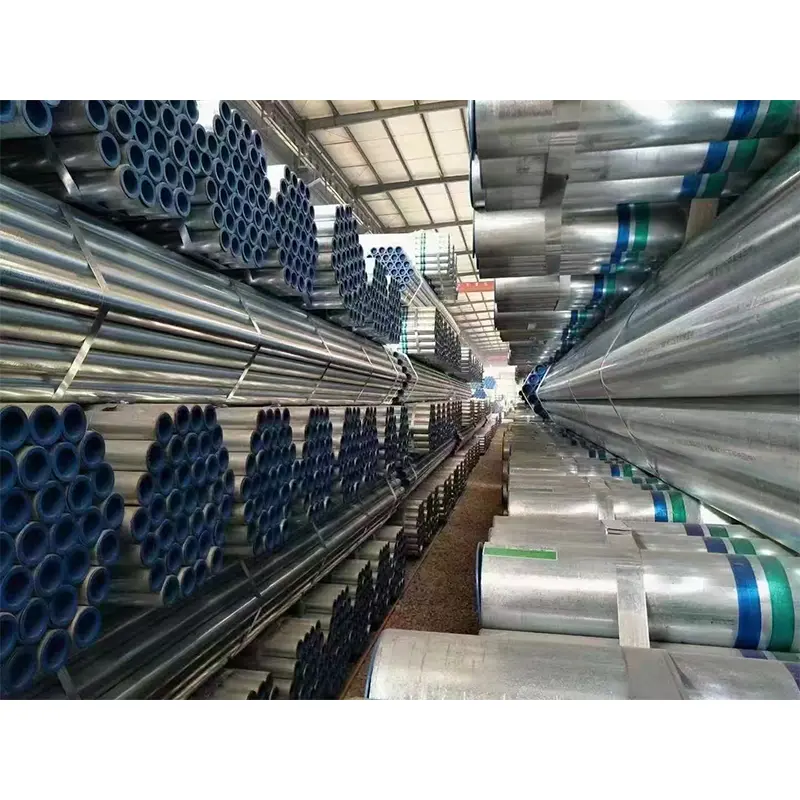
- Galvanized steel: Available in hot-dip galvanized and cold-dip galvanized varieties, offering excellent corrosion resistance and suitable for outdoor facilities and photovoltaic brackets.
4. Standards Implemented
- GB/T 6728-2017 Cold-Formed Steel Sections (Most Widely Used)
- GB/T 3094 Cold-Drawn Special-Shaped Steel Tubes
- GB/T 17239, GB/T 19418 Relevant Standards for Welded Square and Rectangular Tubes
- Galvanized Products: GB/T 13912, GB/T 2518
Production Process
1. High-Frequency Welded Square and Rectangular Tubes (Mainstream Process)
- Raw Materials: Hot-rolled/Cold-rolled steel strip
- Production Flow: Uncoiling → Leveling → Shearing → Cold bending into round tubes → High-Frequency resistance welding → Removal of weld beads → Conversion of round tubes to square/rectangular → Shaping and finishing → Cutting to length → Straightening → Quality inspection → Packaging and warehousing
- Product Features: High dimensional accuracy, smooth surface, high production efficiency, and affordable price.
2. Seamless Square and Rectangular Tubes
Formed from seamless round tubes through cold drawing and extrusion, with no weld seams on the tube wall, exhibiting excellent pressure resistance and overall strength. Primarily used in high-pressure equipment, precision machinery, and special load-bearing structures, these products are relatively expensive.
3.Hot-rolled rectangular and square steel tubes
These are formed directly using a hot-rolling process, primarily producing large-size, thick-walled products. The steel has high strength and low residual stress, making it a preferred material for heavy steel structure engineering.
Core Performance Advantages
1.High bending stiffness and excellent structural stability
Large moment of inertia, resulting in excellent bending and torsional resistance. For the same weight, its overall performance is superior to round tubes, making it ideal for beams, columns, and overall frames.
2.Regular cross-section and simple installation
The tube is straight and has sharp edges, allowing for easy welding and bolting, adapting to modular construction methods.
3.High space utilization
The angular structure allows for close installation against walls and columns, resulting in a compact and aesthetically pleasing layout that effectively saves space.
4.Excellent surface quality and corrosion resistance
Suitable for painting, galvanizing, and powder coating, it can be used for extended periods outdoors and in humid environments.
5.Complete specifications and strong versatility
The product range covers everything from light-duty decorative pipes to heavy-duty load-bearing pipes, and can replace angle steel, channel steel, and ordinary round pipes, resulting in lower overall usage costs.
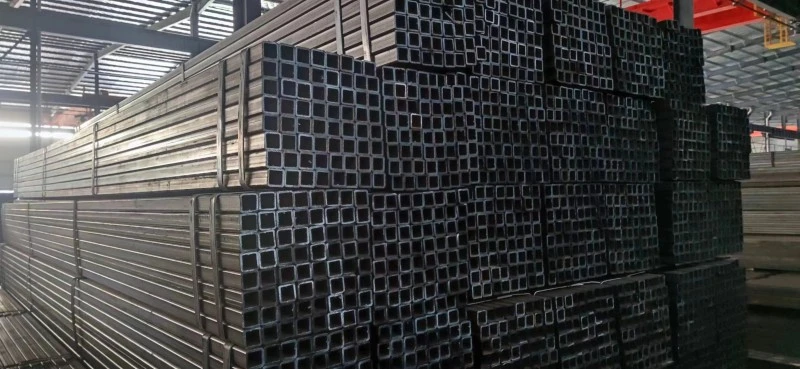
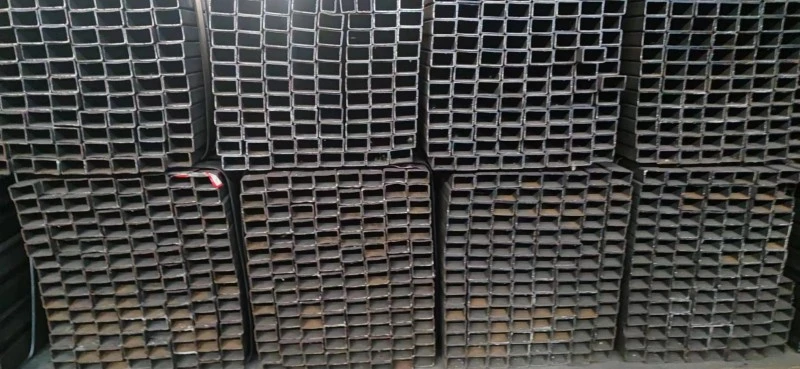
Application Areas
1. Building Steel Structures: Factory beams and columns, steel frames, columns, roof purlins, curtain wall joists
2. Municipal Engineering: Road guardrails, streetlight poles, traffic supports, bridge railings, municipal supporting supports
3. Machinery Manufacturing: Equipment frames, equipment bases, workbenches, conveyor supports, box structures
4. Photovoltaics and New Energy: Photovoltaic supports, energy storage cabinet frames, wind power supporting structural components
5. Decoration Engineering: Building curtain walls, interior and exterior partitions, decorative display racks, warehouse racks
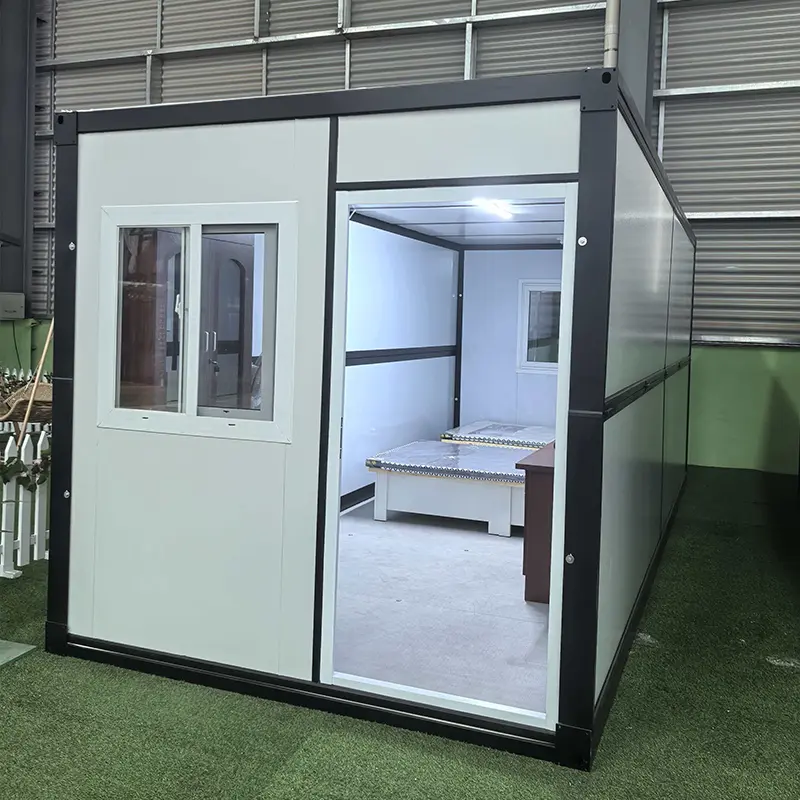
6. Automotive and Logistics: Vehicle frames, automotive chassis parts, container structures
7. Agriculture and Greenhouses: Greenhouse frames, greenhouse support structures
Practical Application Cases
Case Study: Large-scale Photovoltaic Power Station Project in Northwest China
A 50 MW photovoltaic power station in Gansu Province used Zhongtian Q355B hot-dip galvanized rectangular tubing (120×80×4 mm) to construct the photovoltaic support system.
- Project Challenges: The local area experiences strong winds and extreme temperature variations, requiring the support structure to possess exceptional structural stability and corrosion resistance.
- Solution: The rectangular and square steel tubes feature a galvanized layer thickness of 550 grams per square meter, providing outstanding corrosion protection. The high-strength Q355B material can withstand wind loads of up to 25 meters per second, and the rectangular cross-section allows for more rational arrangement of photovoltaic panels and more efficient space utilization.
- Project Outcomes: The project was successfully completed in 2025, with no quality issues throughout the entire process. The support structure remained stable even in extreme weather conditions, and compared to traditional angle steel solutions, subsequent maintenance costs were reduced by 30%.
Quality Inspection Standards:
1. Appearance Inspection: The surface must be free of cracks, folds, and obvious dents; the edges and corners of the tubes must be clear and regular.
2. Dimensional Inspection: Verify side length, wall thickness, verticality, straightness, and torsion.
3. Mechanical Performance Testing: Conduct tensile, bending, flattening, and impact tests according to material requirements.
4. Weld Inspection: High-frequency welded pipes must have intact welds, free from cracks and incomplete welds.
5. Galvanized Coating Inspection: For galvanized pipes, inspect the coating thickness and adhesion, and conduct salt spray testing.
Product Classification
1. By Material: Ordinary Carbon Steel, Low-Alloy High-Strength Steel, Galvanized Steel Pipe, Stainless Steel Pipe
2. By Wall Thickness: Thin-Walled Pipe (≤3 mm), Medium-Walled Pipe, Thick-Walled Pipe (≥6 mm)
3. By Surface Treatment: Black Pipe (Bare Pipe), Hot-Dip Galvanized Pipe, Cold-Dip Galvanized Pipe, Painted Pipe, Powder-Coated Pipe
4. By Manufacturing Process: High-Frequency Welded Pipe, Seamless Pipe, Hot-Rolled Pipe
Comparison of Similar Products
1. Rectangular and Square Pipe VS Round Pipe
- Rectangular and Square Pipe: High bending stiffness, convenient installation, high space utilization
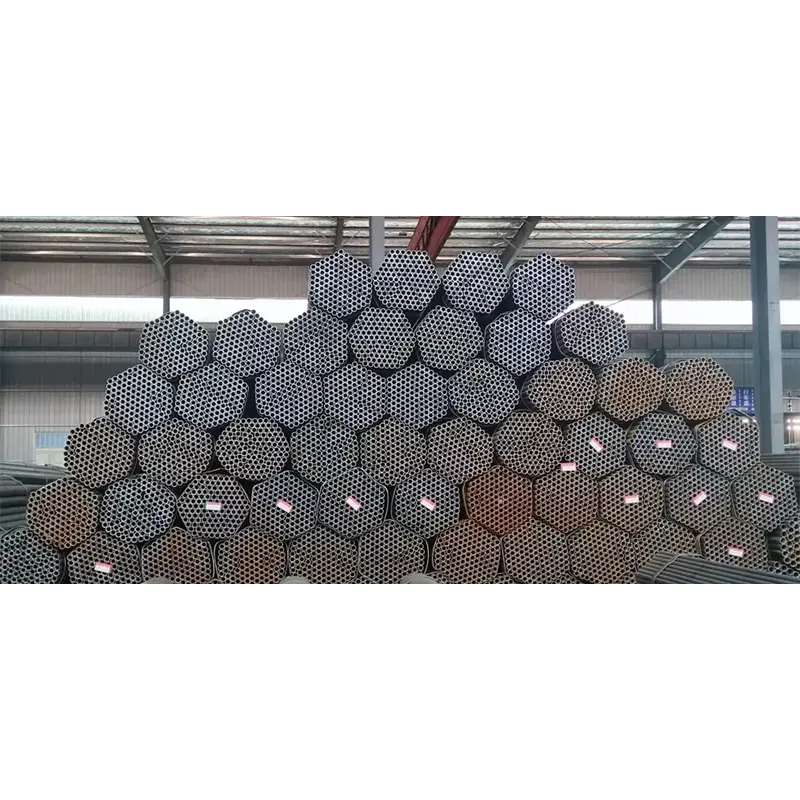
- Round Pipe: Outstanding torsional performance, more suitable for fluid transportation, lower wind resistance
2. Rectangular and Square Pipe VS Channel Steel / Angle Steel
- Rectangular and Square Pipe: Closed cross-section, high stiffness, strong torsional resistance, not easily deformed, neat and beautiful appearance
- Channel Steel / Angle Steel: Open cross-section, weaker overall stiffness, easy to twist and deform, poor rust resistance
FAQ
Q1: What are Rectangular and Square Steel? Tube?
A: Square and rectangular steel pipes are hollow steel materials with a square or rectangular cross-section, also known as square tubes or rectangular tubes. The products are mainly manufactured using cold bending and high-frequency welding processes, but seamless and hot-rolled varieties are also available. They are widely used in structural construction, support fabrication, engineering load-bearing, and decoration.
Q2: What is the difference between square and rectangular tubes?
A: Square tubes have four sides of equal length (e.g., 100×100 mm), resulting in uniform stress distribution in all directions; rectangular tubes have unequal side lengths (e.g., 100×50 mm), allowing for flexible selection based on the direction of stress and adaptability to different load-bearing requirements.
Q3: How to distinguish between thin-walled, medium-walled, and thick-walled tubes?
A: The industry-standard classification is as follows:
- Thin-walled tubes: Wall thickness ≤ 3 mm, mostly used for decorative designs and lightweight supports.
- Medium-walled tubes: Wall thickness 3–6 mm, used for general structural applications.
- Thick-walled tubes: Wall thickness ≥ 6 mm, suitable for load-bearing beams and columns, and heavy-duty support structures.
Hot Tags: Rectangular and Square Steel Tube, Square Steel Tube, Steel Tube Supplier
Related Category
Send Inquiry
Contact Info
-
Address
300 meters east of the intersection of Tuanda Line and Cuitang Road, Daqiuzhuang Town, Jinghai District, Tianjin City, China
-
Tel
-
Email
If you have any inquiry about a quotation or cooperation, please feel free to email or use the following inquiry form. Our sales representative will contact you within 24 hours.