How Does a Galvanized Greenhouse Frame Structure Improve Durability and Growing Efficiency?
A greenhouse is more than a protective covering for crops. Its structural framework determines how well the entire facility withstands wind, rain, humidity, and daily agricultural operations. A Galvanized Greenhouse Frame Structure offers an effective solution by combining the strength of steel with the corrosion resistance of a zinc coating. This article explores how galvanized greenhouse frames work, their major advantages, structural components, suitable materials, design considerations, installation requirements, and maintenance practices. It also provides practical purchasing advice to help greenhouse investors, agricultural contractors, and commercial growers select a reliable structural solution that delivers long-term value.
Table of Contents
- What Is a Galvanized Greenhouse Frame Structure?
- Why Is Galvanized Steel Important for Greenhouses?
- What Are the Main Components of a Greenhouse Frame?
- Which Types of Galvanized Greenhouse Structures Are Available?
- How Does Galvanization Protect Greenhouse Frames?
- What Factors Should Be Considered During Structural Design?
- How to Choose the Right Greenhouse Frame Structure?
- How Should a Galvanized Greenhouse Frame Be Installed and Maintained?
- What Are the Common Applications of Galvanized Greenhouse Frames?
- Frequently Asked Questions
- Conclusion
1. What Is a Galvanized Greenhouse Frame Structure?
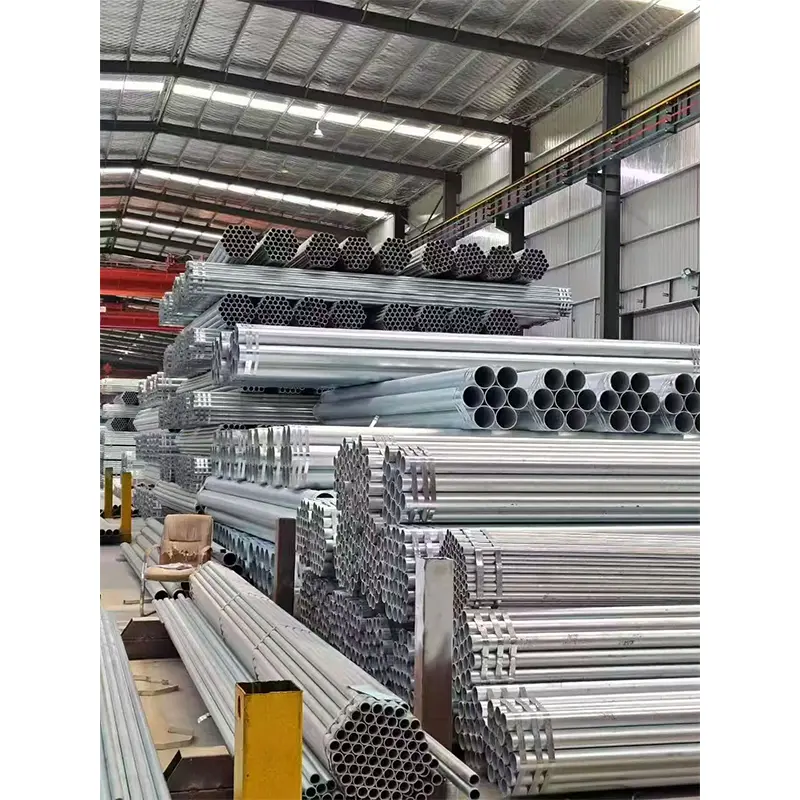
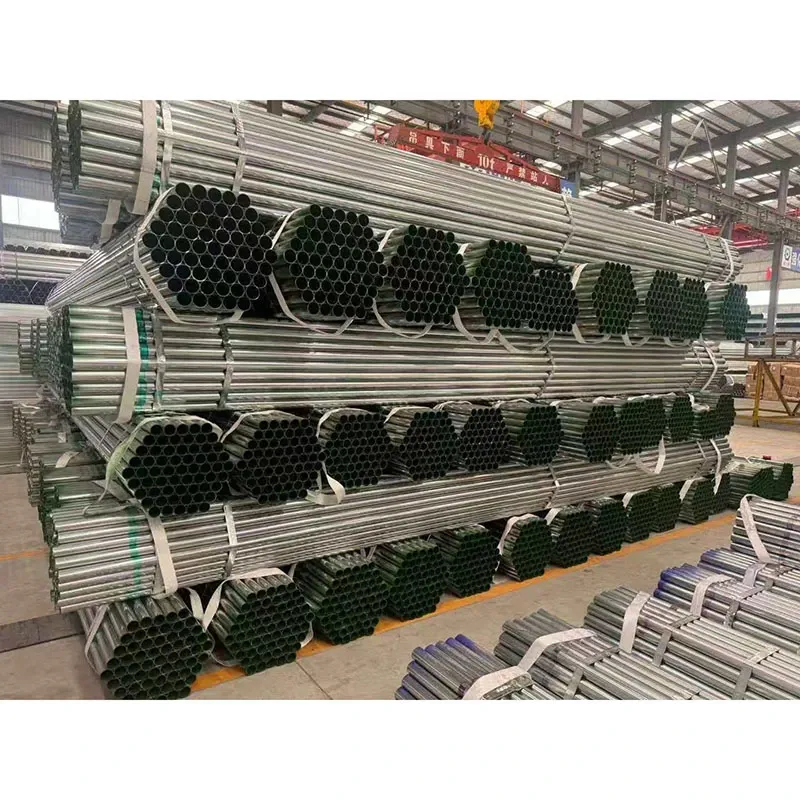
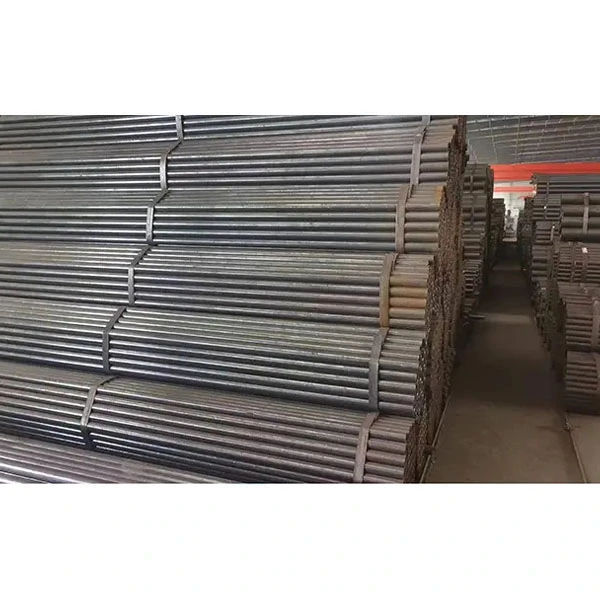
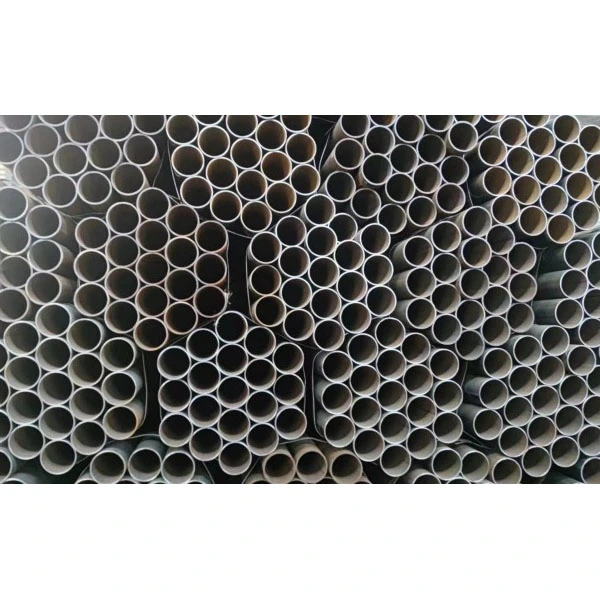
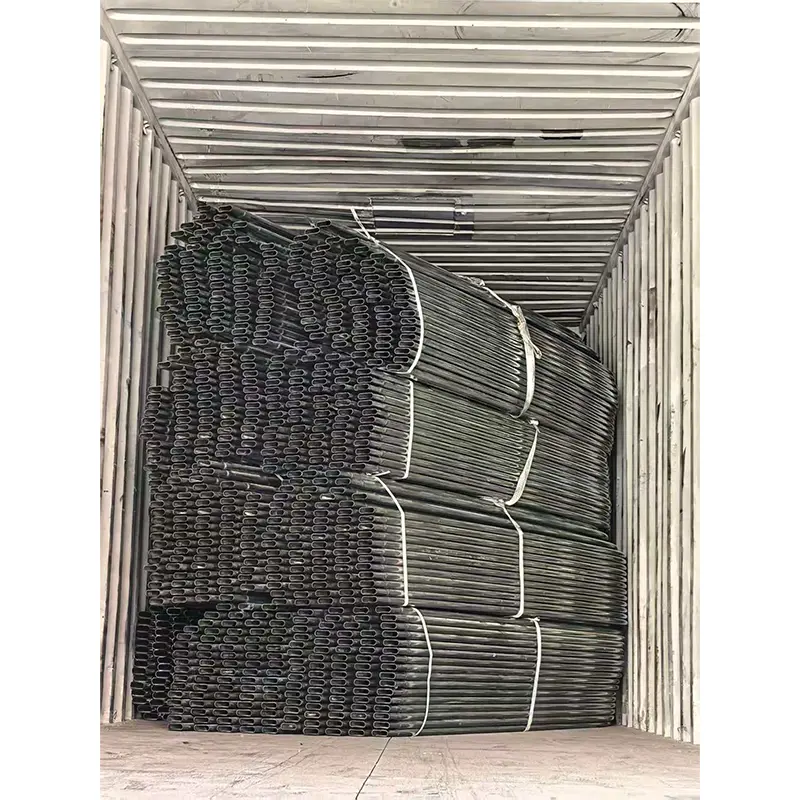
A galvanized greenhouse frame structure is a supporting framework manufactured from steel pipes, tubes, or other steel profiles treated with a protective zinc coating. It provides the essential skeleton of a greenhouse, supporting the roof, walls, covering materials, ventilation equipment, and other agricultural facilities.
Unlike untreated steel, which can deteriorate quickly when exposed to moisture and oxygen, galvanized steel has an additional protective layer that significantly reduces corrosion. This makes it particularly suitable for greenhouse environments where irrigation, condensation, fertilizer exposure, and high humidity are common.
The structure typically consists of vertical columns, roof arches, horizontal connecting pipes, purlins, cross-bracing systems, and connecting accessories. These components work together to distribute structural loads and maintain the overall stability of the greenhouse.
How Does the Structure Work?
The greenhouse frame transfers external and internal loads to the foundation through a connected structural system. For example, roof components carry the weight of the covering material and additional equipment, while columns and supporting members transfer these forces to the ground.
During strong winds, cross-bracing and properly designed connections help prevent excessive movement and deformation. In areas with heavy snowfall, appropriately sized structural members and roof configurations help distribute snow loads safely.
Key Point: A reliable greenhouse frame is not simply a collection of galvanized pipes. It is an integrated structural system that must match the greenhouse dimensions, local climate, covering materials, and intended agricultural use.
2. Why Is Galvanized Steel Important for Greenhouses?
Greenhouse environments create several challenges for structural materials. Continuous irrigation, temperature fluctuations, fertilizer solutions, and high humidity can accelerate metal corrosion. If the supporting framework deteriorates, the greenhouse may eventually experience structural instability, increased maintenance requirements, and unexpected replacement costs.
A galvanized greenhouse frame helps address these problems while maintaining the mechanical strength needed for agricultural construction.
2.1 Excellent Corrosion Resistance
The zinc coating acts as a protective barrier between the steel substrate and the surrounding environment. It also provides sacrificial protection, meaning zinc can preferentially corrode to protect exposed steel in certain localized damage conditions.
This characteristic is especially valuable in greenhouses where water frequently contacts structural members. Properly specified galvanized steel can reduce rust formation and extend the useful service life of the framework.
2.2 High Structural Strength
Steel offers a favorable strength-to-size ratio. Properly engineered steel pipes and profiles can support substantial structural loads without requiring excessively large members.
This helps greenhouse designers create stable structures while maintaining sufficient growing space and reducing unnecessary shading from oversized support components.
2.3 Lower Long-Term Maintenance Requirements
Compared with untreated steel, galvanized components generally require less frequent corrosion-related maintenance. This can reduce repainting, repair work, labor requirements, and operational interruptions.
2.4 Adaptability to Different Greenhouse Designs
Galvanized steel can be manufactured into different pipe diameters, wall thicknesses, lengths, and structural profiles. This flexibility allows manufacturers to develop frameworks for small agricultural tunnels, commercial vegetable greenhouses, flower cultivation facilities, and large-scale agricultural projects.
2.5 Long-Term Economic Value
Initial material price is only one part of the total investment. Replacement frequency, maintenance expenses, installation efficiency, and structural reliability also influence the overall project cost.
Although a galvanized framework may cost more than some untreated alternatives, its corrosion protection can make it a more economical choice over the operating life of the greenhouse.
3. What Are the Main Components of a Greenhouse Frame?
Understanding the main structural components helps buyers evaluate quotations and determine whether a proposed greenhouse framework meets their project requirements.
| Structural Component | Main Function | Important Consideration |
|---|---|---|
| Columns and Posts | Support the main framework and transfer loads to the foundation. | Pipe dimensions, wall thickness, spacing, and foundation connections. |
| Roof Arches | Form the roof profile and support covering materials. | Shape, span, bending strength, and wind resistance. |
| Purlins | Connect structural members and support roof or covering systems. | Spacing, connection strength, and overall alignment. |
| Cross-Bracing | Improve structural stability and resist lateral movement. | Position, connection quality, and load distribution. |
| Connecting Pipes | Link columns, arches, and other structural members. | Compatibility, fastening method, and dimensional accuracy. |
| Fasteners and Clamps | Secure individual components into a complete framework. | Corrosion resistance, strength, and compatibility. |
| Foundation Connections | Anchor the greenhouse structure to the ground. | Soil conditions, anchorage depth, and uplift resistance. |
Why Do Component Specifications Matter?
A greenhouse can have high-quality galvanized pipes but still perform poorly if the connection system is weak or the structural dimensions are unsuitable.
For example, insufficient bracing may increase lateral movement during strong winds. Poorly designed foundation connections can also allow the structure to shift or lift under severe weather conditions.
Therefore, buyers should evaluate the complete structural package rather than focusing exclusively on the price or thickness of the main steel pipes.
4. Which Types of Galvanized Greenhouse Structures Are Available?
Different agricultural projects require different greenhouse configurations. The ideal structural design depends on available land, cultivation methods, local weather, budget, and expected production capacity.
4.1 Arch-Type Greenhouse Structure
Arch-type greenhouses use curved roof members to create a rounded structure. They are widely used in vegetable cultivation, flower production, and other agricultural applications.
The curved roof helps distribute certain external loads and allows rainwater to run off more easily when the structure is properly designed. These greenhouses are commonly constructed with galvanized steel pipes and plastic film coverings.
Suitable applications: Vegetable farming, nursery production, seasonal cultivation, and medium-scale agricultural projects.
4.2 Multi-Span Greenhouse Structure
A multi-span greenhouse connects multiple growing sections into one integrated facility. Compared with independent single-span structures, this design can make better use of available land and provide a larger continuous cultivation area.
Its framework usually requires a coordinated system of columns, roof trusses or arches, gutters, connecting members, and bracing components.
Suitable applications: Commercial farming, large-scale vegetable production, flower cultivation, and modern agricultural facilities.
4.3 Tunnel Greenhouse Structure
Tunnel greenhouses feature a long, curved framework that creates a tunnel-like growing environment. Their relatively straightforward structural configuration makes them attractive for projects that prioritize practical construction and efficient installation.
Galvanized steel pipes provide the necessary support for plastic film or other lightweight covering materials.
Suitable applications: Seasonal crop cultivation, seedling production, and small-to-medium agricultural operations.
4.4 Venlo Greenhouse Structure
The Venlo greenhouse is a commercial greenhouse design commonly associated with glass roofing and repeated structural spans. It generally incorporates a more complex framework, including columns, trusses, gutters, ventilation systems, and specialized connection components.
Because it often supports heavier covering systems and additional equipment, its structural design requires careful engineering and accurate component specifications.
Suitable applications: Commercial horticulture, high-value crop production, and technology-intensive agricultural facilities.
| Greenhouse Type | Structural Characteristics | Typical Applications |
|---|---|---|
| Arch-Type | Curved roof and relatively simple framework. | Vegetables and flowers. |
| Multi-Span | Multiple connected growing sections. | Large commercial farms. |
| Tunnel | Long, curved pipe framework. | Seasonal cultivation and nurseries. |
| Venlo | Engineered steel framework with repeated spans. | Advanced commercial horticulture. |
5. How Does Galvanization Protect Greenhouse Frames?
Galvanization is a metal surface treatment process that applies a zinc coating to steel to improve its resistance to corrosion. The quality of this coating directly affects the durability of greenhouse structural components.
5.1 Hot-Dip Galvanization
Hot-dip galvanization involves immersing properly prepared steel components in molten zinc. During the process, a metallurgical reaction forms zinc-iron alloy layers with an outer zinc layer.
This coating provides barrier protection and sacrificial protection. When properly specified and applied, it can protect exposed steel surfaces even in demanding agricultural environments.
Hot-dip galvanized steel is widely used in greenhouse columns, structural pipes, brackets, and other supporting components.
5.2 Pre-Galvanized Steel
Pre-galvanized steel is produced from steel materials that receive a zinc coating before subsequent fabrication. It can be useful for standardized greenhouse components and applications requiring efficient manufacturing.
However, cutting, drilling, bending, and welding may affect the protective coating. Exposed areas should therefore be assessed and repaired using an appropriate corrosion-protection method when necessary.
5.3 Hot-Dip Galvanized vs. Pre-Galvanized Steel
| Comparison | Hot-Dip Galvanized After Fabrication | Pre-Galvanized Steel |
|---|---|---|
| Coating Process | Steel components are galvanized after fabrication. | Steel is coated before further processing. |
| Coverage | Can cover external and accessible internal surfaces. | Fabricated edges and processed areas may expose bare steel. |
| Typical Applications | Structural components requiring comprehensive corrosion protection. | Standardized pipes and lighter structural components. |
| Processing Considerations | Requires suitable fabrication details, venting, and drainage. | Requires attention to coating damage during fabrication. |
Neither process should be evaluated by its name alone. Buyers should request information about the coating thickness, applicable standards, steel specifications, and fabrication methods.
Purchasing Tip: Ask suppliers for measurable coating specifications rather than accepting general descriptions such as "high-quality galvanized steel." The required protection should be determined according to humidity, rainfall, coastal exposure, fertilizer contact, and expected service conditions.
6. What Factors Should Be Considered During Structural Design?
A greenhouse framework must be designed according to its actual operating environment. A structure suitable for a mild inland climate may not provide adequate performance in an area exposed to typhoons, heavy snow, or coastal salt spray.
6.1 Local Wind Conditions
Wind pressure is one of the most important considerations in greenhouse construction. Strong winds can create lateral forces and roof uplift, potentially causing structural deformation or connection failure.
Designers should evaluate local wind speed, terrain exposure, building height, roof geometry, and anchorage requirements. Cross-bracing and properly designed connections are essential parts of a reliable wind-resistance system.
6.2 Snow and Rainfall Loads
In colder regions, accumulated snow can place considerable pressure on greenhouse roofs. The roof slope, structural span, pipe dimensions, and support spacing must be selected according to the expected snow load.
In regions with heavy rainfall, roof geometry and drainage arrangements should prevent water accumulation and reduce unnecessary loading.
6.3 Pipe Diameter and Wall Thickness
Pipe dimensions directly influence structural performance. Larger diameters and thicker walls can improve resistance to certain loads, but simply increasing material thickness does not automatically create an optimized greenhouse.
Structural engineers should calculate the appropriate specifications based on member length, support spacing, connection conditions, material grade, and project loading requirements.
6.4 Greenhouse Size and Span
Large-span greenhouses often require more carefully engineered roof systems and stronger connections. Column spacing, ridge height, gutter height, and overall dimensions influence both structural stability and the usable cultivation area.
6.5 Ventilation and Agricultural Equipment
Modern greenhouses may incorporate exhaust fans, roof vents, shading systems, irrigation equipment, heating pipes, and suspended cultivation equipment.
These additional installations can introduce loads and operational requirements that must be considered during the initial structural design. Planning for future equipment upgrades can also prevent expensive modifications later.
6.6 Environmental Corrosion Conditions
High humidity, condensation, coastal salt, fertilizers, and agricultural chemicals can affect coating performance. Particular attention should be paid to ground-level connections, joints, cut edges, and areas where water or chemicals may accumulate.
7. How to Choose the Right Greenhouse Frame Structure?
Selecting a greenhouse frame supplier is an important investment decision. A suitable supplier should understand the relationship between material specifications, structural engineering, manufacturing quality, and actual agricultural conditions.
The following checklist can help buyers compare different quotations and avoid overlooking important details.
7.1 Confirm the Steel Specifications
Request detailed information about the steel grade, pipe diameter, wall thickness, component dimensions, and manufacturing tolerances. These details help determine whether the proposed framework is appropriate for the intended project.
7.2 Check the Galvanized Coating
Ask whether the components are hot-dip galvanized after fabrication or made from pre-galvanized materials. Confirm the coating thickness and relevant testing or inspection documentation.
7.3 Evaluate Structural Design Capabilities
A reliable manufacturer should be able to discuss greenhouse dimensions, local environmental loads, structural spacing, foundation arrangements, and connection details.
7.4 Review Manufacturing Quality
Consistent pipe dimensions, accurate bending, clean welds, properly processed edges, and compatible connecting accessories all contribute to installation quality and structural reliability.
7.5 Consider Customization and Project Support
Different agricultural projects have different requirements. Buyers may need customized pipe lengths, special connection designs, non-standard greenhouse dimensions, or specific structural configurations.
Suppliers with suitable customization capabilities can help coordinate the framework specifications with the overall project design.
7.6 Compare the Total Project Cost
Do not evaluate quotations based only on the price per ton or per square meter. Consider the complete supply scope, coating specifications, transportation, installation requirements, accessories, technical documentation, and after-sales support.
Buyer Checklist:
- Are the steel grade and dimensions clearly specified?
- Is the galvanizing process identified?
- Are coating thickness and inspection requirements documented?
- Does the structural design account for local wind and snow conditions?
- Are connections, fasteners, and foundations included?
- Can the supplier provide customized dimensions?
- Are installation drawings and technical support available?
- Are delivery schedules and warranty conditions clearly defined?
8. How Should a Galvanized Greenhouse Frame Be Installed and Maintained?
Even high-quality materials cannot guarantee reliable performance if installation is inaccurate or maintenance is neglected. Proper construction and regular inspection help preserve the structural integrity of the greenhouse.
8.1 Prepare the Foundation
Before installation, the ground should be assessed and prepared according to the project drawings. Foundation dimensions, anchorage positions, drainage conditions, and soil characteristics should be checked carefully.
Incorrect foundation positioning can affect the alignment of columns and create additional stress on connecting components.
8.2 Check Component Dimensions
All structural members should be checked against the installation drawings before assembly. Components should be organized and identified to reduce installation mistakes.
8.3 Assemble the Main Framework
Columns, arches, purlins, and connecting members should be installed in the specified sequence. Temporary supports may be necessary to maintain alignment during construction.
Bolted connections should be tightened according to the specified requirements. Unplanned field welding or cutting should be avoided because these operations can damage the protective zinc coating.
8.4 Inspect Bracing and Connections
Cross-bracing, roof connections, foundation anchors, and fasteners should be inspected before the covering material is installed. The completed framework should be checked for alignment, deformation, and loose connections.
8.5 Repair Coating Damage
Transportation, handling, cutting, or installation may cause localized coating damage. Small affected areas should be cleaned and repaired using a suitable zinc-rich repair system or another approved method in accordance with the relevant specification.
Extensive damage should be assessed professionally rather than covered with ordinary paint without checking the underlying condition.
8.6 Conduct Regular Inspections
Routine inspections help identify early signs of corrosion, loose fasteners, damaged supports, blocked drainage systems, and structural deformation.
Particular attention should be given to column bases, connections, roof joints, and areas exposed to fertilizer or cleaning chemicals.
| Inspection Area | What to Check | Recommended Action |
|---|---|---|
| Steel Pipes | Rust, scratches, coating deterioration, and deformation. | Clean and repair damaged protective areas. |
| Connections | Loose bolts, damaged clamps, and joint corrosion. | Retighten or replace unsuitable fasteners. |
| Foundation | Settlement, water accumulation, and loose anchors. | Repair foundation and drainage issues. |
| Roof Structure | Deformation, damaged bracing, and unusual movement. | Arrange a professional structural inspection. |
9. What Are the Common Applications of Galvanized Greenhouse Frames?
Galvanized greenhouse structures are used in a wide range of agricultural and horticultural projects because they offer a combination of structural strength, corrosion protection, and design flexibility.
9.1 Commercial Vegetable Production
Vegetable growers use galvanized greenhouse frames to support protected cultivation systems for tomatoes, cucumbers, peppers, leafy vegetables, and other crops.
A properly designed framework provides a stable environment for covering materials, irrigation systems, ventilation equipment, and crop-support installations.
9.2 Flower and Ornamental Plant Cultivation
Flower production often requires carefully controlled growing environments. Greenhouse structures can accommodate shading equipment, ventilation systems, and climate-control installations to support different plant varieties.
9.3 Seedling and Nursery Facilities
Nurseries require practical structures that provide protection for young plants while allowing efficient management of light, temperature, and humidity.
Galvanized steel frameworks can be adapted to different nursery layouts and production scales.
9.4 Research and Modern Agriculture
Agricultural research centers and technology-driven farms may require customized greenhouse dimensions and additional equipment. A properly engineered steel structure provides a flexible foundation for these specialized applications.
9.5 Large-Scale Agricultural Projects
For commercial agricultural developments, multi-span greenhouse structures can help optimize land utilization and support centralized cultivation management.
In these projects, consistent component specifications, reliable corrosion protection, and coordinated engineering are especially important.
10. Frequently Asked Questions About Galvanized Greenhouse Frame Structures
Q1: How long does a galvanized greenhouse frame structure last?
The service life depends on coating thickness, steel quality, environmental exposure, structural design, and maintenance. Frames installed in mild inland environments may last longer than those exposed to coastal salt, persistent moisture, or aggressive agricultural chemicals. Buyers should request project-specific durability information rather than rely on a universal lifespan estimate.
Q2: Is hot-dip galvanized steel suitable for humid greenhouse environments?
Yes. Hot-dip galvanized steel is widely used in humid agricultural environments because its zinc coating provides barrier and sacrificial corrosion protection. However, coating specifications should be selected according to actual exposure conditions, and drainage and ventilation should be considered in the structural design.
Q3: What is the difference between galvanized steel and ordinary steel?
Ordinary steel does not have the additional zinc coating found on galvanized steel. When exposed to moisture and oxygen, untreated steel is more vulnerable to rust. Galvanized steel offers additional corrosion protection, making it a practical choice for many outdoor and agricultural applications.
Q4: Can galvanized greenhouse frames be customized?
Yes. Manufacturers can produce different pipe diameters, wall thicknesses, lengths, connection components, and structural configurations according to project requirements. Customization should be based on greenhouse dimensions, environmental loads, and engineering specifications.
Q5: Are galvanized steel greenhouse frames suitable for strong wind conditions?
They can be designed for areas with strong winds, provided that the complete structure is engineered for the applicable wind loads. Pipe specifications, bracing, roof geometry, foundation anchorage, and connections all contribute to wind resistance. Local building requirements should always be followed.
Q6: Does galvanized steel require regular maintenance?
Yes, although it generally requires less corrosion-related maintenance than untreated steel. Periodic inspections should focus on coating damage, rust formation, fasteners, structural connections, and foundation conditions. Damaged areas should be repaired using appropriate protective materials.
Q7: What coating thickness is suitable for a greenhouse frame?
There is no single coating thickness suitable for every greenhouse. The required specification depends on the galvanizing process, steel thickness, exposure conditions, applicable standards, and expected service life. Buyers should ask suppliers to provide measurable coating requirements and supporting inspection documentation.
Q8: What information should buyers provide when requesting a greenhouse frame quotation?
Useful information includes the greenhouse length, width, height, span, location, intended crops, covering material, local wind and snow conditions, required structural configuration, and estimated project quantity. Providing these details helps manufacturers prepare more accurate quotations and suitable technical proposals.
Q9: Can galvanized greenhouse structures support ventilation and irrigation equipment?
Yes. Greenhouse frameworks can be designed to accommodate ventilation equipment, irrigation pipelines, shading systems, and other agricultural installations. Their positions and additional loads should be considered during the structural design stage to ensure proper support and convenient operation.
Q10: What should be checked before purchasing from a greenhouse frame manufacturer?
Buyers should review steel material specifications, galvanizing processes, coating thickness, manufacturing quality, structural design capabilities, customization options, delivery arrangements, and technical support. A detailed quotation and clear product documentation make supplier comparisons more reliable.
Conclusion: Building a More Reliable Greenhouse with the Right Steel Framework
A well-designed galvanized greenhouse frame structure is an important foundation for productive and dependable agricultural facilities. By combining steel's mechanical strength with zinc's corrosion protection, it helps address common greenhouse challenges such as humidity, rust, structural loading, and long-term maintenance.
However, choosing the right framework involves more than selecting galvanized steel pipes. Buyers should consider the complete structural design, coating specifications, component quality, connection methods, local climate, and installation requirements.
Working with an experienced steel pipe manufacturer and supplier can also simplify material selection and help ensure that the delivered components meet the practical requirements of the project.
Tianjin YuJie Steel Pipe Trading Co.,Ltd. recognizes the importance of reliable steel materials and suitable structural specifications in agricultural and industrial applications. When planning a greenhouse construction project, selecting appropriate galvanized steel pipes and structural components is an important step toward creating a durable and efficient growing facility.
Looking for Reliable Galvanized Steel Pipes for Your Greenhouse Project?
Whether you are developing a commercial greenhouse, expanding an agricultural facility, or sourcing galvanized steel pipes for structural applications, choosing the right materials and specifications makes a difference.
Contact Tianjin YuJie Steel Pipe Trading Co.,Ltd. to discuss your project requirements, explore suitable steel pipe solutions, and request professional product information. Our team is ready to help you find the right materials for your next project.
Related News
- ZHONGTIAN Thin-Wall Longitudinal Welded Steel Pipes Drive Versatility Across Modern Infrastructure and Industrial Sectors
- What Makes Thick Wall Longitudinal Welded Steel Pipe Reliable for Demanding Industrial Projects?
- How Can Steel Profiles Improve the Strength and Efficiency of Modern Construction?
- How Can a Quick Foldable Prefabricated House Support Rapid Construction Projects?
- What Makes Portable Container Houses Different From Traditional Buildings?
- What Makes Straight Seam Welded Steel Pipe a Reliable Choice for Modern Industrial Applications?
Leave me a message