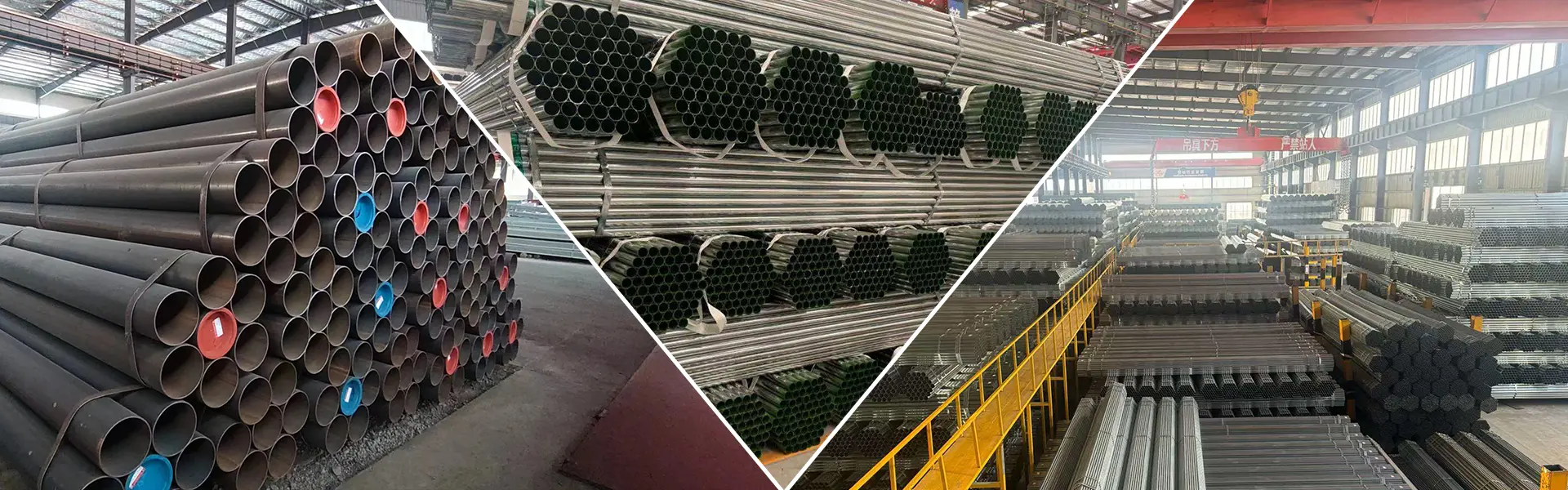
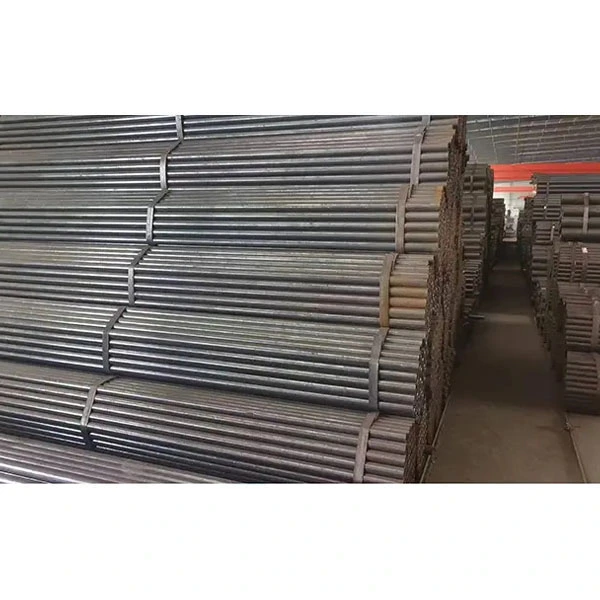
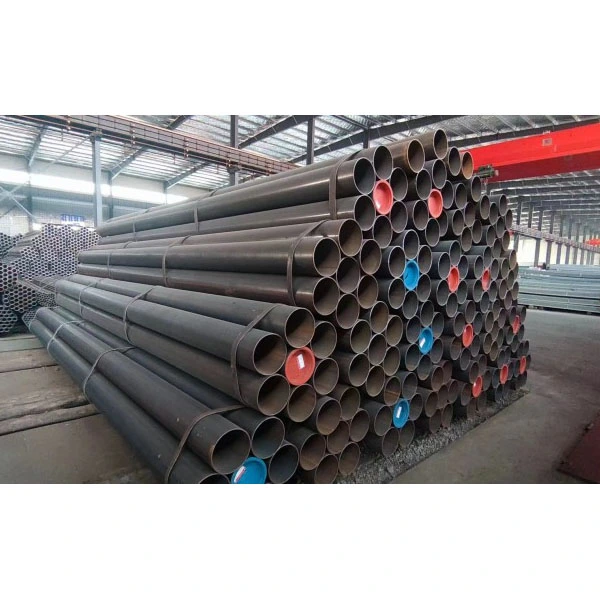
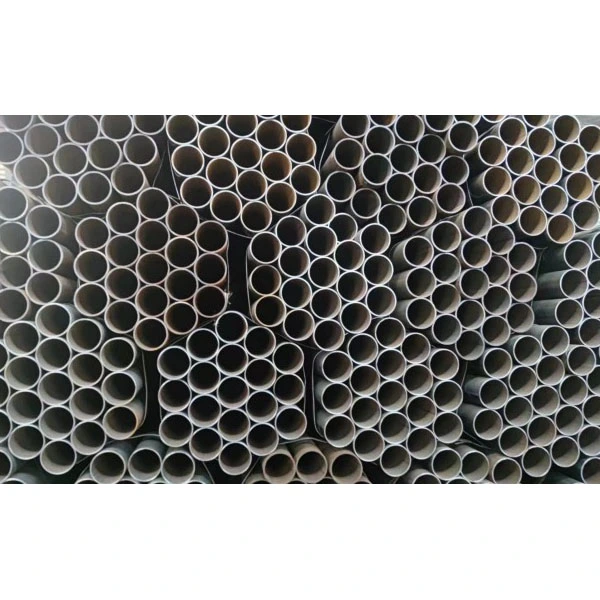
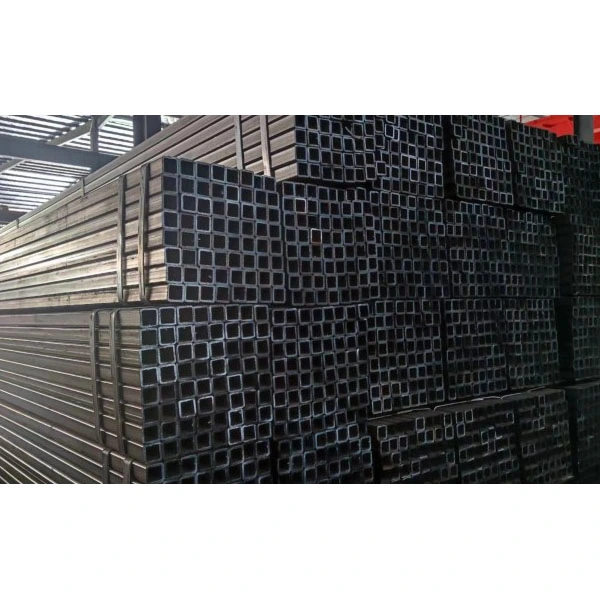
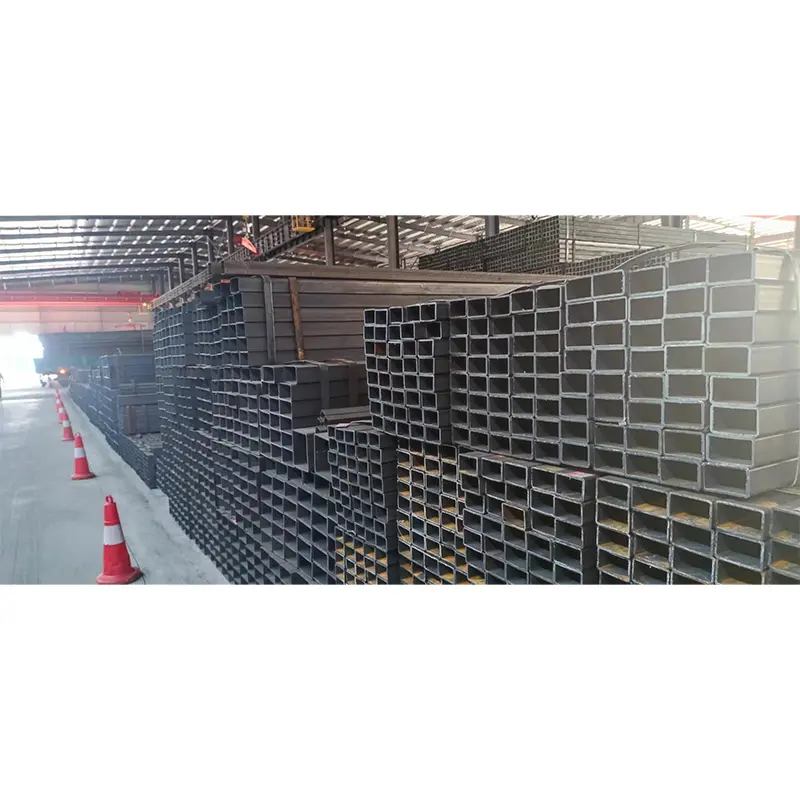
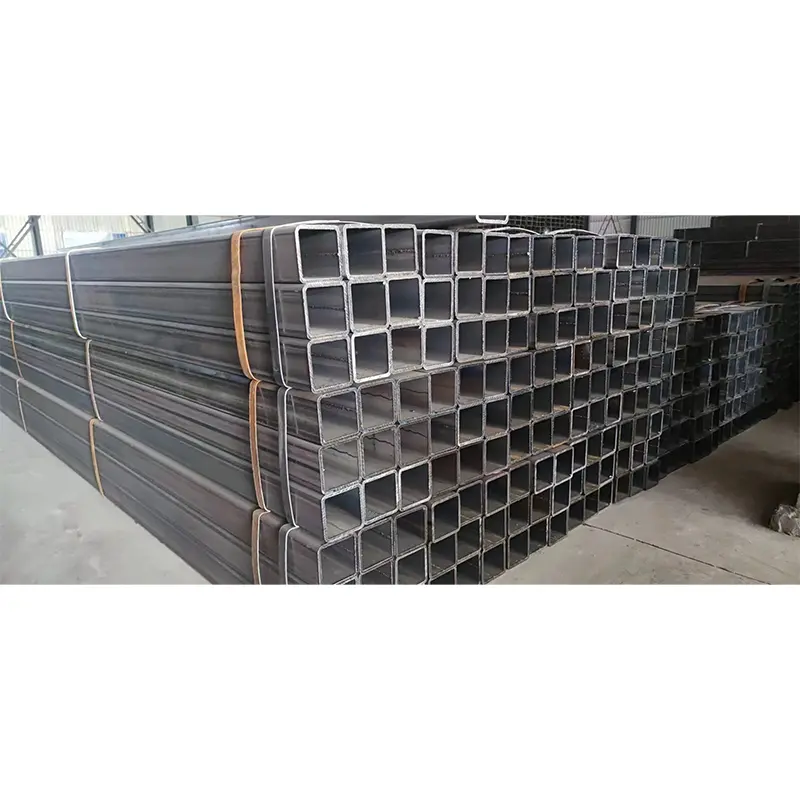
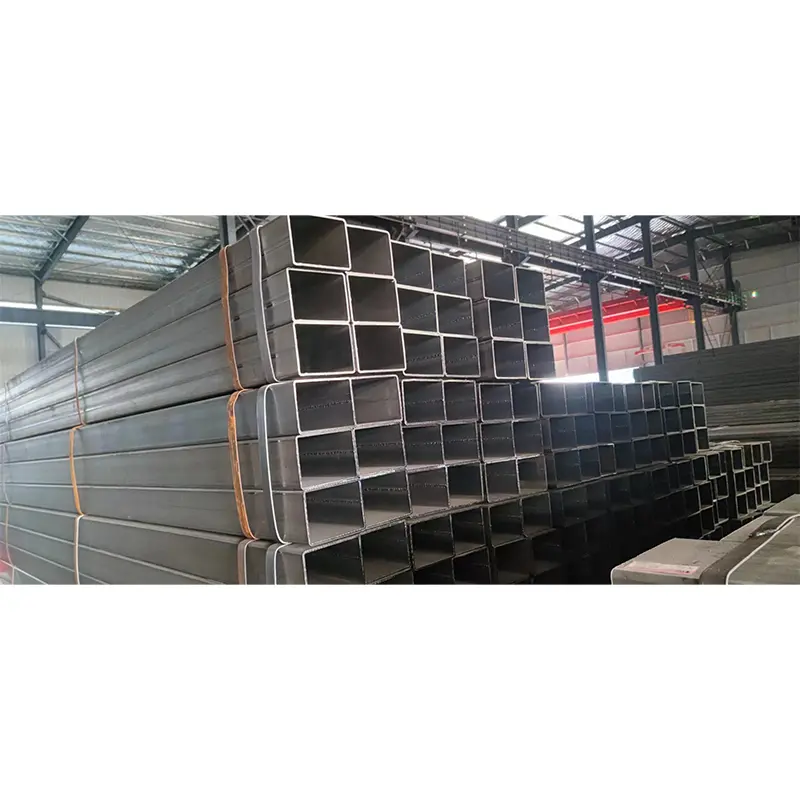
Thick Wall Rectangular and Square Steel Tube
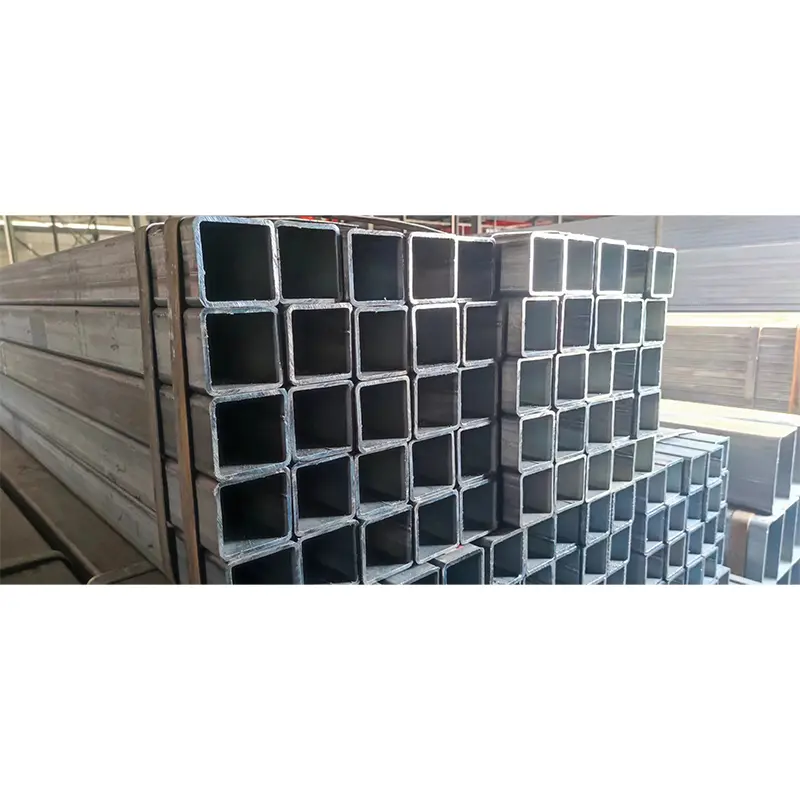
Thick Wall Rectangular and Square Steel Tube is a heavy-duty structural steel product designed for applications requiring high strength, excellent rigidity, and reliable load-bearing performance. In the steel industry, rectangular and square tubes with wall thickness greater than 3mm are generally classified as thick wall tubes. Common wall thickness ranges from 4mm to 20mm, while ultra-thick specifications can reach 25mm to 50mm.
Manufactured according to international structural steel standards including GB/T 6728 and GB/T 3094, these Thick Wall Rectangular and Square Steel Tubes feature superior bending resistance, torsional rigidity, impact resistance, and dimensional stability. Compared with conventional thin-wall sections, thick wall square and rectangular tubes provide stronger structural support and are widely used in heavy steel structures, mechanical equipment, transportation facilities, and industrial engineering projects.
Material Selection and Mechanical Performance
1. Q235B Steel for General Structural Applications
Q235B is one of the most commonly used carbon structural steels for thick wall rectangular and square tubes. With a yield strength of ≥235MPa and excellent welding performance, it provides a cost-effective solution for general load-bearing structures. This material is widely applied in factory buildings, steel frames, equipment supports, and other projects where balanced strength and economy are required.
2. Q355B High-Strength Steel for Heavy Loads
Q355B, also known as Q345B in some traditional applications, is a low-alloy high-strength structural steel with a yield strength of ≥355MPa. Compared with Q235B, it provides higher strength, better toughness, and improved resistance to impact under low-temperature conditions. This makes it suitable for heavy-duty structures, bridges, large machinery frames, and engineering projects with strict safety requirements.
3. Special Steel Grades for Harsh Working Conditions
For applications involving high pressure, wear resistance, or high-temperature environments, materials such as 20#, 45# steel, and alloy steels can be selected. These materials offer enhanced mechanical properties and are commonly used in industrial equipment, chemical facilities, pressure-related structures, and customized engineering components.
Structural Advantages
1. High Load-Bearing Capacity
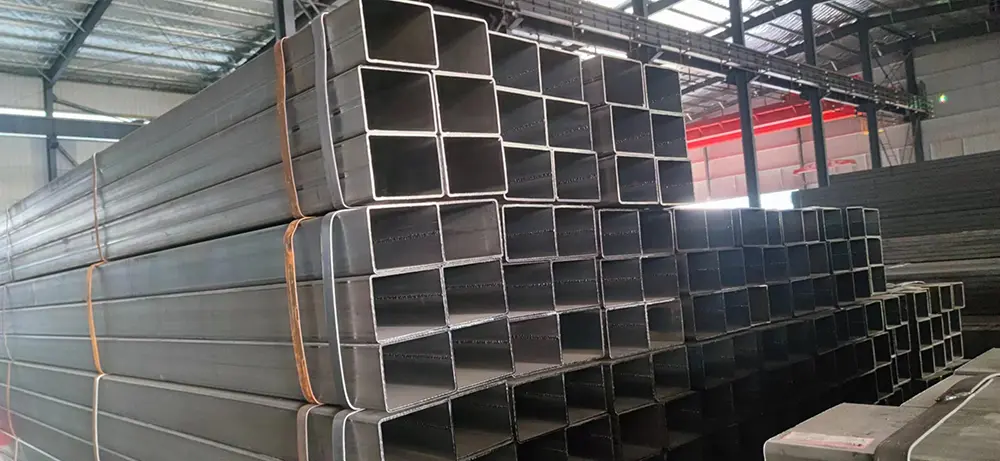
The thick wall design significantly increases the cross-sectional strength of the tube, allowing it to withstand greater external loads and mechanical stress. The optimized hollow structure provides excellent strength-to-weight performance while reducing unnecessary material consumption compared with solid steel sections.
2. Superior Bending and Torsional Resistance
The square and rectangular hollow section provides a high moment of inertia, improving resistance against bending deformation and twisting forces. This characteristic ensures stable performance in structures exposed to continuous loads, vibration, and impact conditions.
3. Excellent Dimensional Stability
With controlled production processes and uniform wall thickness, Thick Wall Rectangular and Square Steel Tube maintains excellent shape stability during installation and long-term operation. It reduces the risk of structural deformation and improves overall service reliability.
Manufacturing Process
1. High Frequency Welded Production
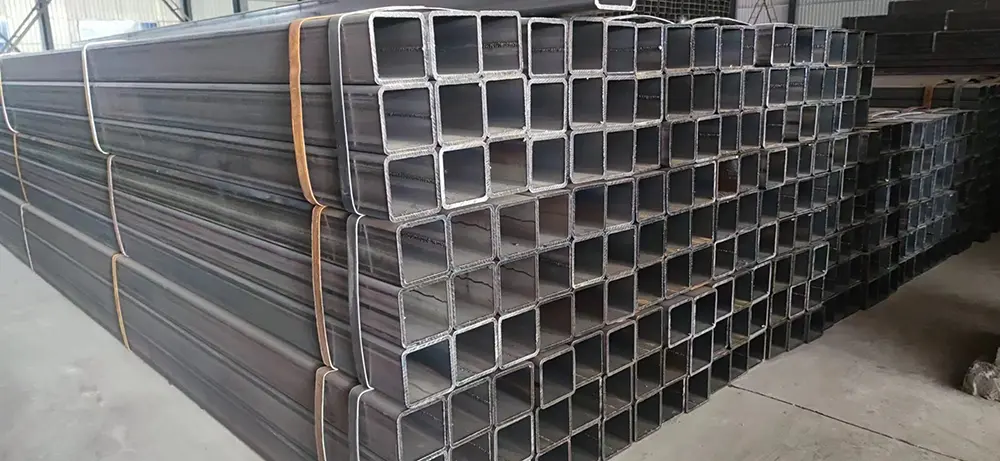
The high-frequency welded process is the most common manufacturing method for standard thick wall square and rectangular tubes. Steel strips are gradually formed into square or rectangular shapes through cold forming, followed by high-frequency welding, sizing, straightening, and cutting. This process provides high production efficiency, accurate dimensions, and consistent weld quality.
2. Seamless Tube Modification Process
For thicker wall requirements and higher-performance applications, seamless round steel tubes can be heated and processed into rectangular or square sections. This method provides improved structural integrity and is suitable for applications requiring higher pressure resistance and mechanical strength.
3. Submerged Arc Welding Process
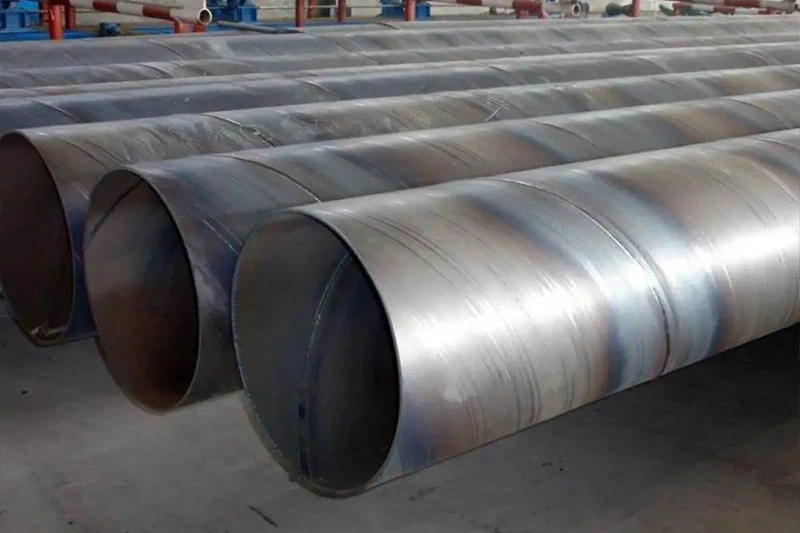
For large-size and ultra-thick wall tubes, submerged arc welding technology is applied by forming steel plates and welding them into hollow sections. This method is commonly used for large engineering structures, heavy equipment supports, and oversized steel components.
Surface Treatment and Corrosion Protection
1. Black Steel Surface
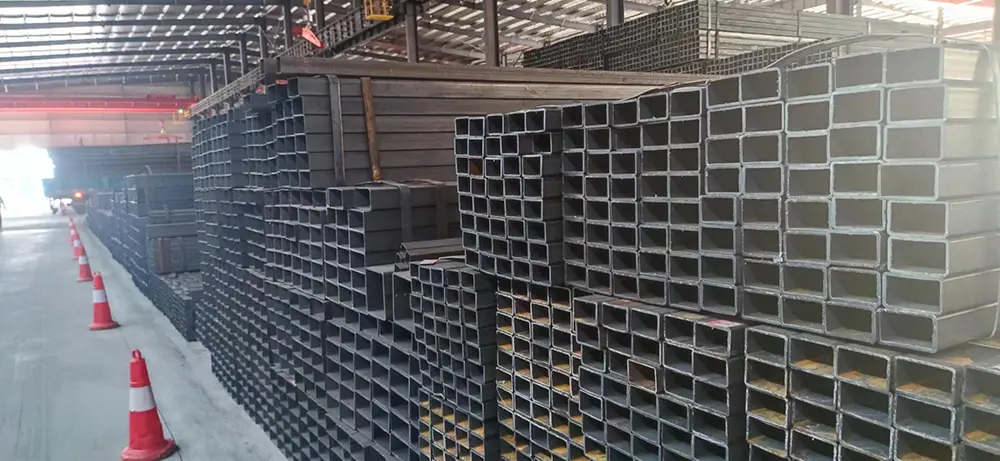
Black thick wall square and rectangular tubes are supplied without additional surface coating. They provide the most economical option and are mainly used in indoor environments or projects where additional painting treatment will be applied after installation.
2. Hot-Dip Galvanized Surface
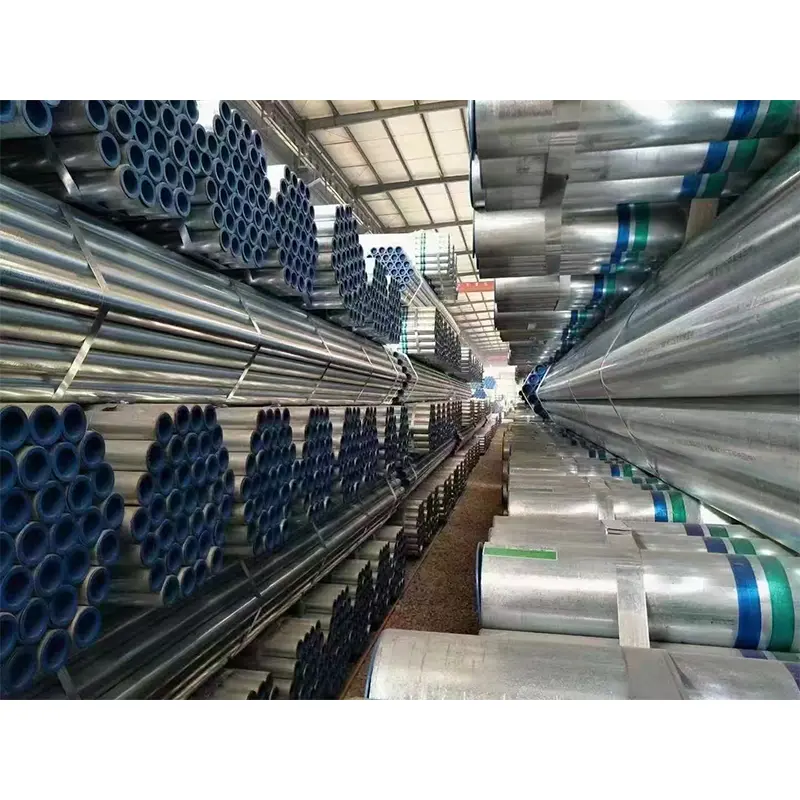
Hot-dip galvanizing provides a durable zinc protective layer that significantly improves corrosion resistance. With proper coating thickness control, galvanized tubes can achieve long-term outdoor service performance and are widely used in bridges, outdoor structures, agricultural facilities, and coastal projects.
3. Painted and Coated Surface
For environments requiring enhanced protection or decorative appearance, epoxy coatings, polyurethane coatings, and other surface treatments can be applied. These solutions provide additional resistance against moisture, chemicals, and atmospheric corrosion.
Application Fields
1. Construction Steel Structures
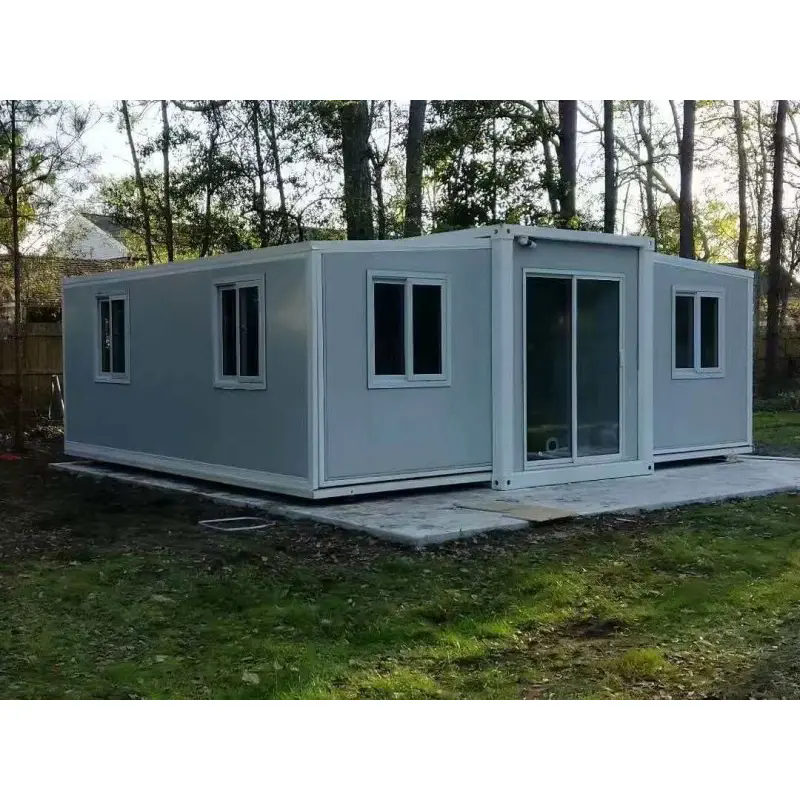
Thick Wall Rectangular and Square Steel Tube is widely used in building columns, industrial workshops, steel frames, high-rise structures, and prefabricated buildings. Its high strength and stable geometry make it an ideal choice for primary load-bearing components.
2. Heavy Machinery Manufacturing
In mechanical engineering, these tubes are used for equipment frames, machine bases, lifting equipment structures, and industrial platforms. Their excellent rigidity helps maintain equipment stability during operation.
3. Transportation and Infrastructure Projects
The product is commonly applied in bridge supports, road safety structures, railway facilities, port equipment, and underground engineering. Its impact resistance and long service life make it suitable for demanding infrastructure environments.
4. Energy and Industrial Facilities
For power plants, chemical facilities, and industrial pipelines, thick wall rectangular and square tubes provide reliable structural support under complex operating conditions, including heavy loads and temperature variations.
Product Selection Guide
1. Selecting the Right Material Grade
For ordinary construction applications, Q235B provides a practical and economical choice. For heavy-load structures, seismic projects, or low-temperature environments, Q355B is recommended due to its higher strength and toughness. Special steel grades should be selected when higher wear resistance or pressure performance is required.
2. Selecting Suitable Wall Thickness
Wall thickness should be determined according to load requirements, installation conditions, and safety factors. Standard thick wall applications generally use 6–16mm thickness, while extremely heavy-duty structures may require 18mm or thicker specifications.
3. Choosing Surface Protection
Indoor applications with low corrosion risk may use black steel tubes, while outdoor or humid environments should select galvanized or coated surfaces to extend service life and reduce maintenance requirements.
FAQ
1. What is considered a thick wall rectangular and square steel tube?
A thick wall rectangular and square steel tube generally refers to hollow sections with a wall thickness greater than 3mm. Common specifications range from 4mm to 20mm thickness, while special heavy-duty products can reach 25mm to 50mm.
2. What is the difference between thick wall and thin wall steel tubes?
The main difference is wall thickness and application purpose. Thin wall tubes are mainly used for lightweight structures, decoration, and non-load-bearing applications, while thick wall tubes are designed for heavy loads, structural support, and industrial applications requiring higher strength.
3. Which material is suitable for heavy-duty projects?
Q355B is usually recommended for heavy-duty applications because it provides higher yield strength and better toughness than Q235B. For special environments involving pressure, wear, or high temperatures, customized steel grades can be selected according to working conditions.
4. Can the size and surface treatment be customized?
Yes. Thick Wall Rectangular and Square Steel Tube can be customized according to customer requirements, including dimensions, wall thickness, steel grade, cutting length, galvanizing, painting, and other surface protection methods.
Hot Tags: Thick Wall Rectangular and Square Steel Tube Supplier, Square Steel Tube Manufacturer, Heavy Wall Steel Tube Wholesale
Related Category
Send Inquiry
Contact Info
-
Address
300 meters east of the intersection of Tuanda Line and Cuitang Road, Daqiuzhuang Town, Jinghai District, Tianjin City, China
-
Tel
-
Email
If you have any inquiry about a quotation or cooperation, please feel free to email or use the following inquiry form. Our sales representative will contact you within 24 hours.