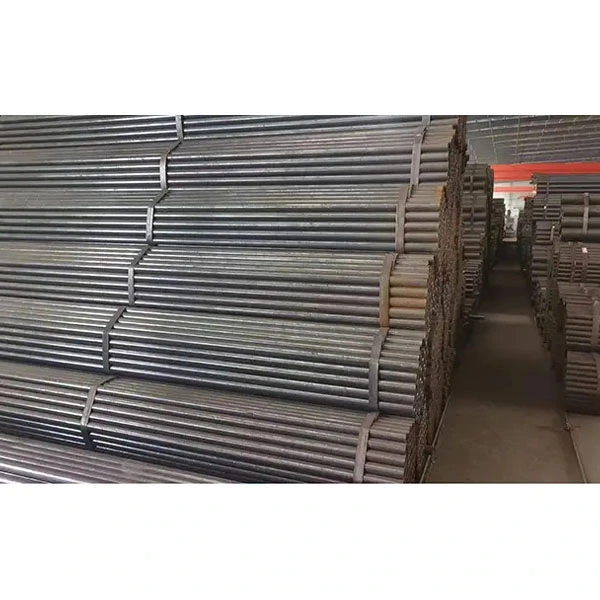
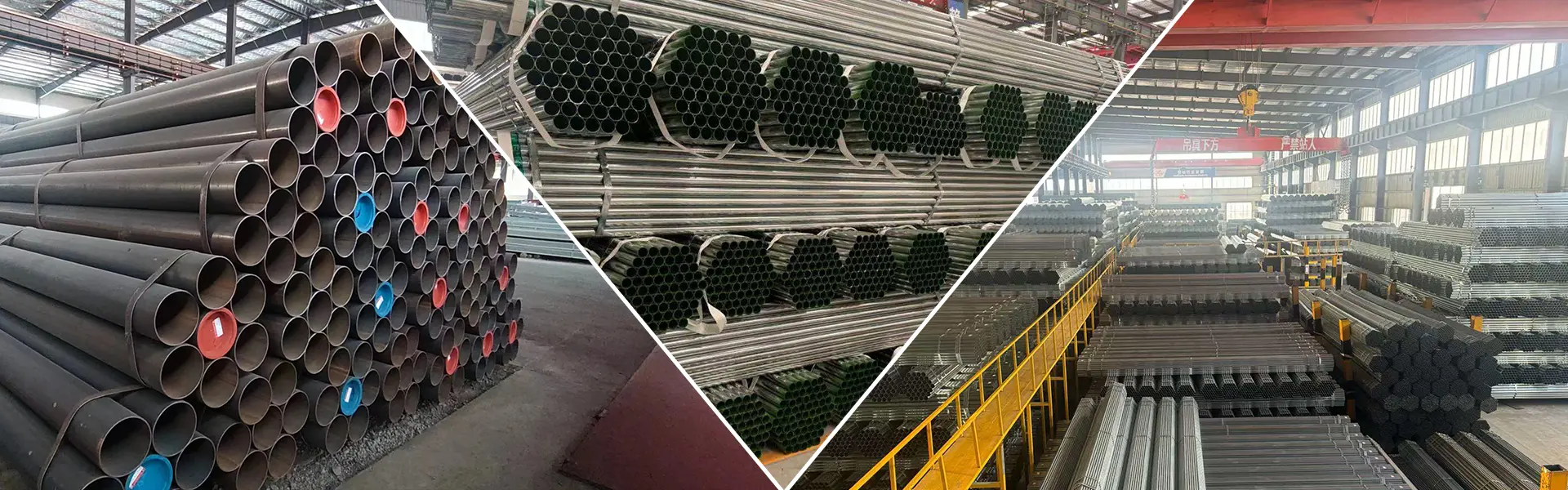
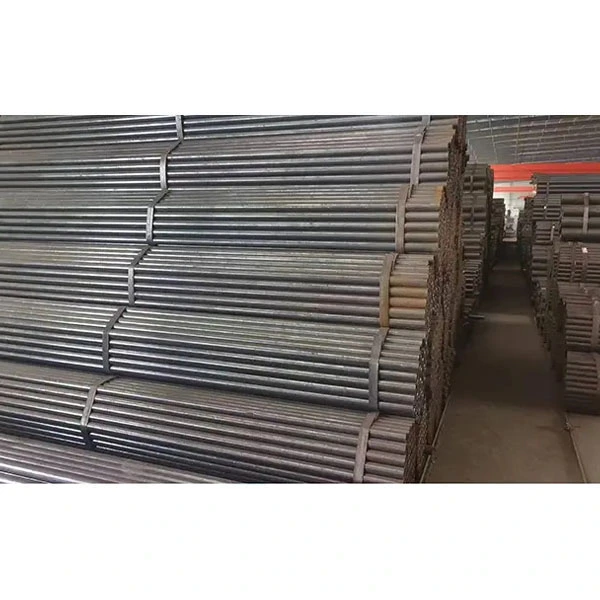
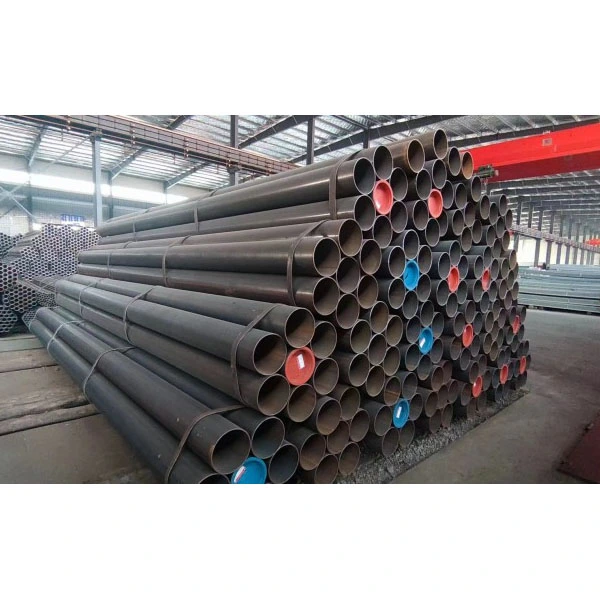
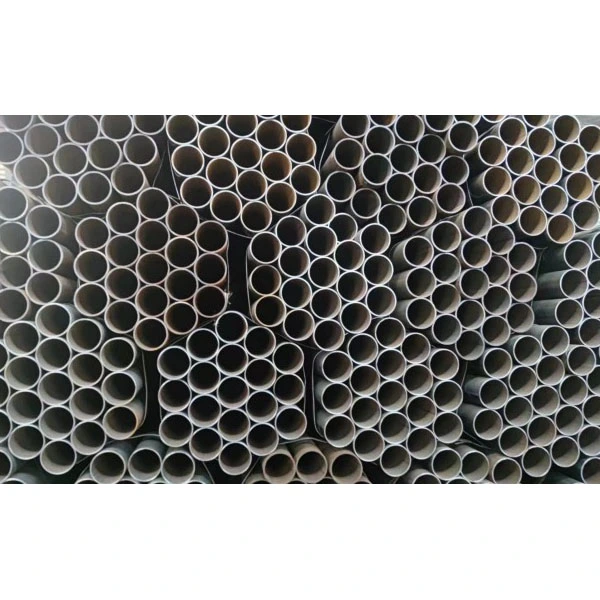
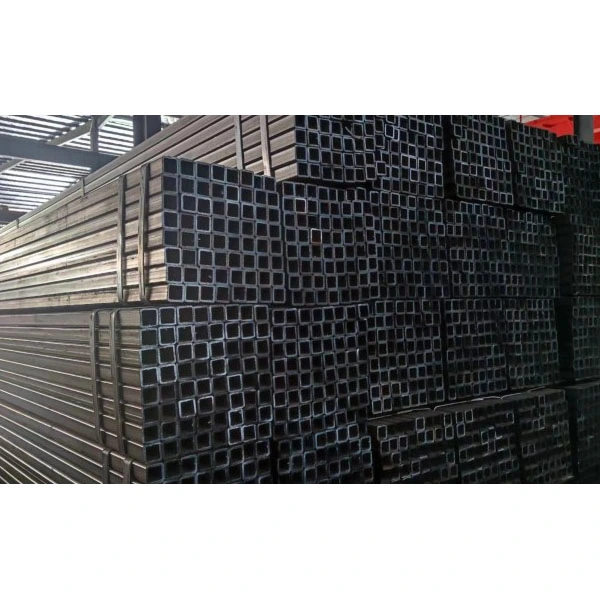
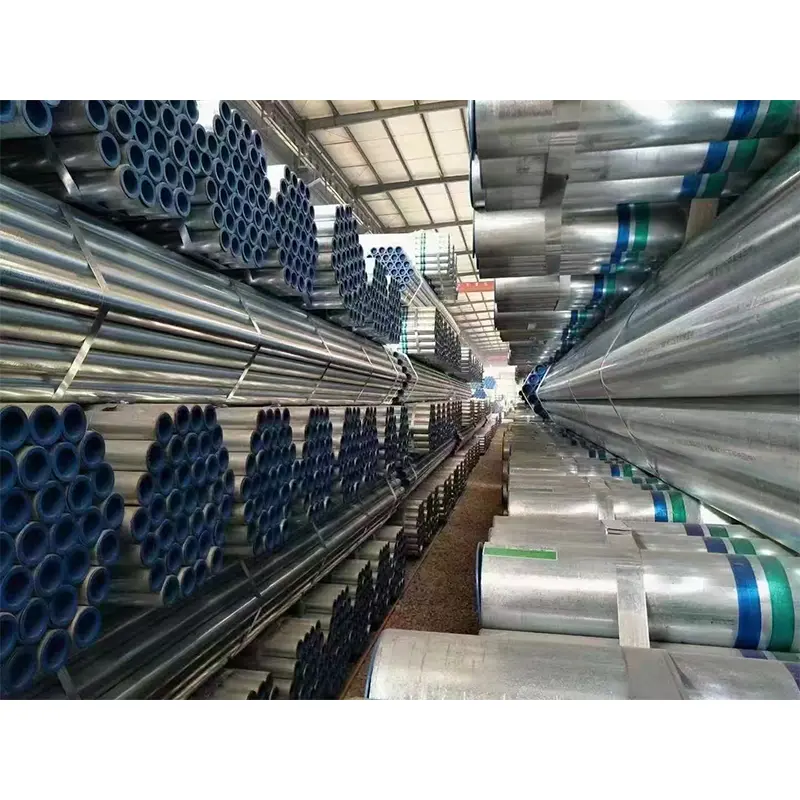
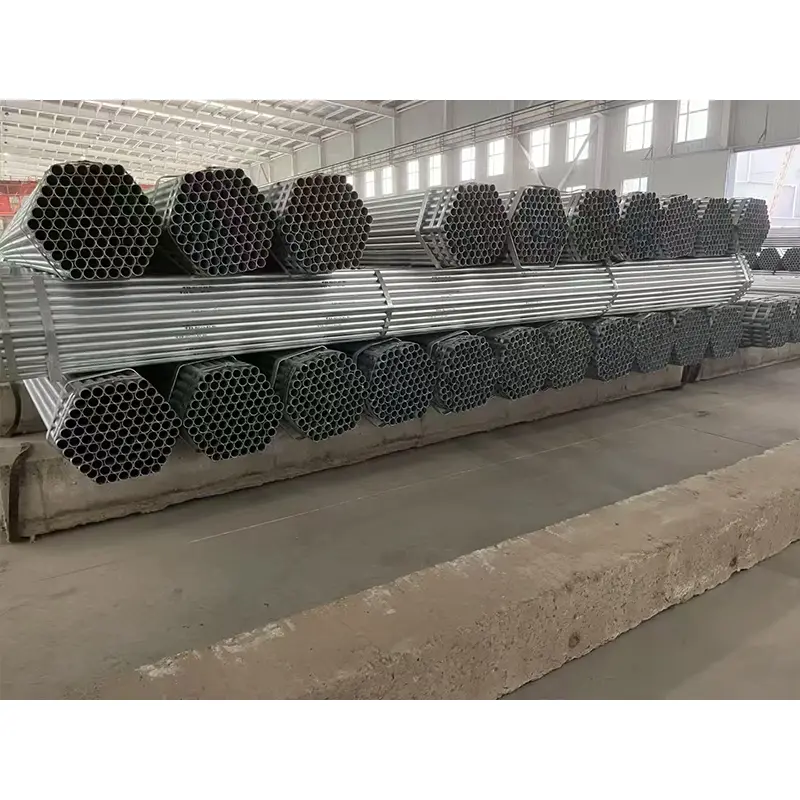
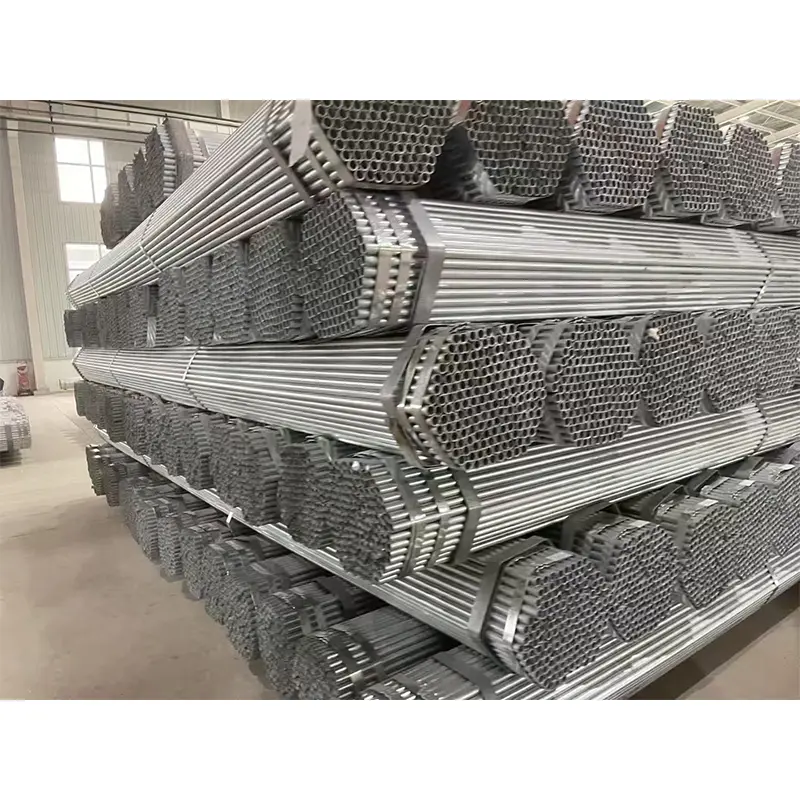
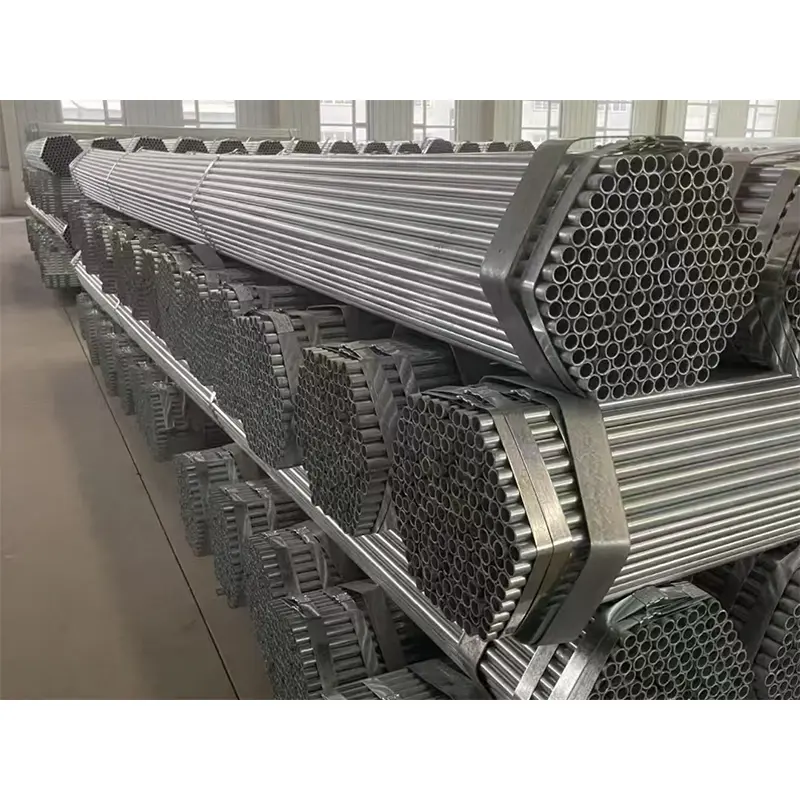
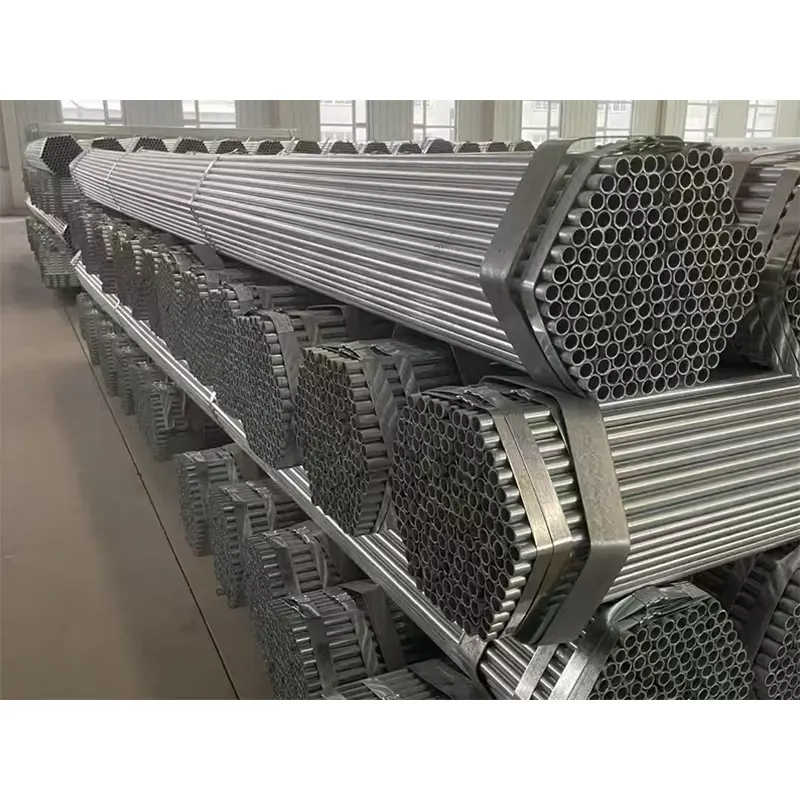
Small Diameter Hot Dip Galvanized Round Steel Pipe
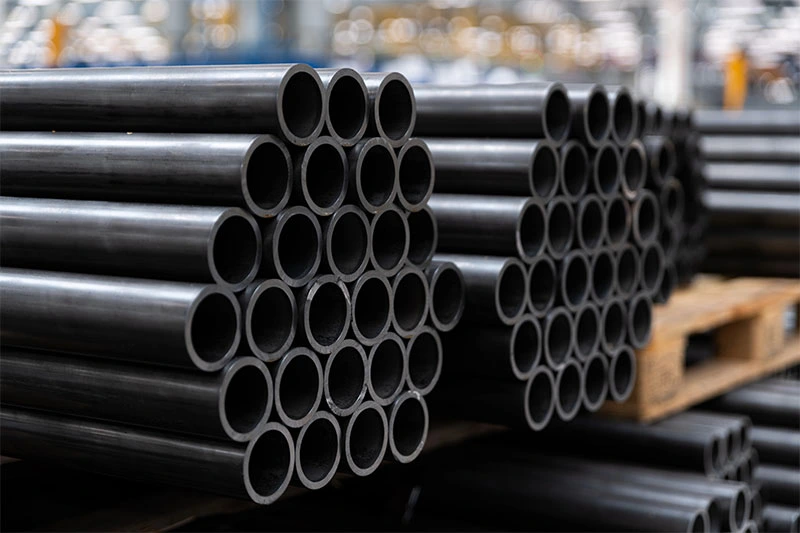
Small Diameter Hot Dip Galvanized Round Steel Pipe is a compact galvanized steel pipe mainly used for indoor water supply, fire protection branches, electrical conduit protection, HVAC systems, and light structural applications. Generally covering DN15 to DN80 sizes, it is manufactured from Q235B or Q195 carbon steel pipes and processed through hot dip galvanizing to create a durable zinc protective layer on both internal and external surfaces.
ZHONGTIAN provides Small Diameter Hot Dip Galvanized Round Steel Pipe manufacturing and supply solutions in China, offering stable quality, customized specifications, and reliable delivery for construction companies, engineering contractors, and industrial users. With advantages including corrosion resistance, easy installation, and good mechanical strength, these pipes are widely applied in residential buildings, commercial facilities, municipal projects, and agricultural structures.
Compared with untreated black steel pipes, galvanized small diameter pipes provide better rust resistance and longer service life, making them a practical choice for projects requiring reliable performance and low maintenance.
Product Structure and Manufacturing Process
1. Product Definition and Structure
Small Diameter Hot Dip Galvanized Round Steel Pipes refer to hot dip galvanized carbon steel pipes commonly used within the DN15–DN80 range. The base pipe is usually produced by high-frequency welded steel pipe technology, while seamless pipe options are available for special applications requiring higher pressure performance.
During the galvanizing process, the steel surface forms a zinc-iron alloy layer and a pure zinc protective layer. This dual-layer protection improves corrosion resistance and allows the pipe to maintain stable performance in humid environments, indoor spaces, and outdoor installations.
2. Production Process
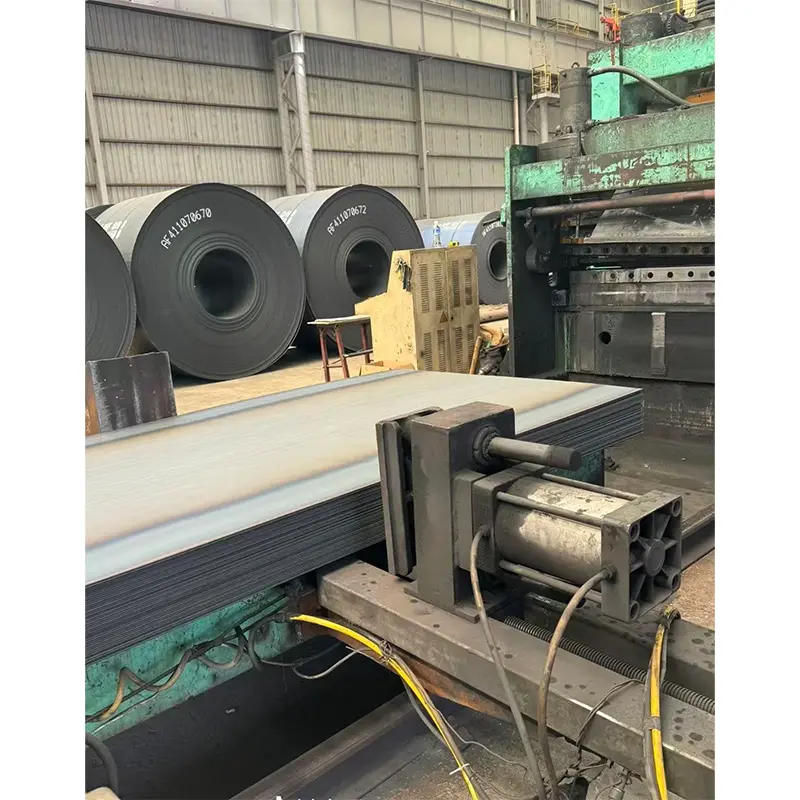
The manufacturing process begins with Q235B or Q195 steel coils, which are processed through leveling, forming, high-frequency longitudinal welding, weld seam treatment, straightening, and cutting to produce the base round pipe.
Before galvanizing, the pipe surface undergoes cleaning, acid pickling, and flux treatment to remove impurities and improve zinc adhesion. The prepared pipe is then immersed into molten zinc at approximately 440–460℃, creating a uniform galvanized coating on both the inner and outer surfaces.
After galvanizing, the pipes are cooled, inspected, marked, and packaged. This production process ensures strong coating adhesion, stable dimensions, and consistent corrosion protection for large-volume engineering applications.
3. Applicable Standards
The pipe body mainly follows GB/T 3091-2015 standards for welded steel pipes used in low-pressure fluid transportation. The hot dip galvanizing process follows GB/T 13912 requirements for zinc coating quality.
For special applications requiring seamless steel pipe structures, production can refer to GB/T 8163 standards for fluid transportation seamless steel pipes.
Technical Specifications
1. Material Selection
Q235B is the most commonly used material for Small Diameter Hot Dip Galvanized Round Steel Pipes because it provides balanced strength, toughness, and weldability. It is suitable for water supply systems, fire protection branches, electrical protection pipes, and general structural applications.
Q195 steel is mainly used for lightweight structures and applications where strength requirements are relatively low. For special pressure applications, seamless pipes made from materials such as 20# steel can be selected.
2. Size Range and Dimensions
ZHONGTIAN Small Diameter Hot Dip Galvanized Round Steel Pipes cover common specifications from DN15 to DN80. Typical sizes include DN15 (21.3mm), DN20 (26.9mm), DN25 (33.7mm), DN32 (42.4mm), DN40 (48.3mm), DN50 (60.3mm), DN65 (76.1mm), and DN80 (88.9mm).
The standard wall thickness range is generally 2.0mm to 4.0mm, with common engineering specifications including 2.5mm, 2.75mm, and 3.25mm. Standard lengths include 6m, 9m, and 12m, while customized cutting services are available according to project requirements.
3. Galvanized Coating Performance
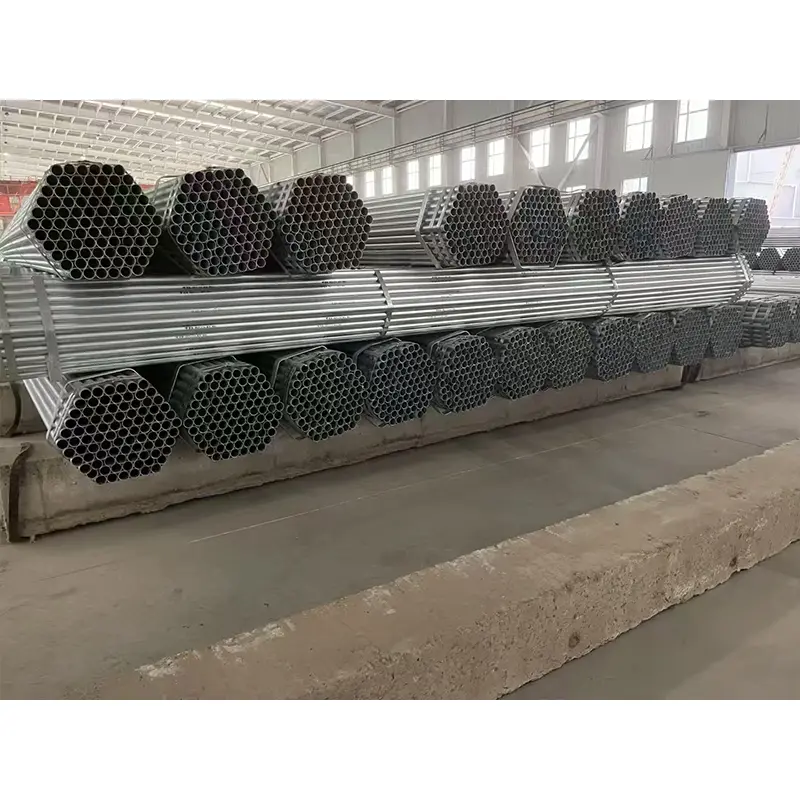
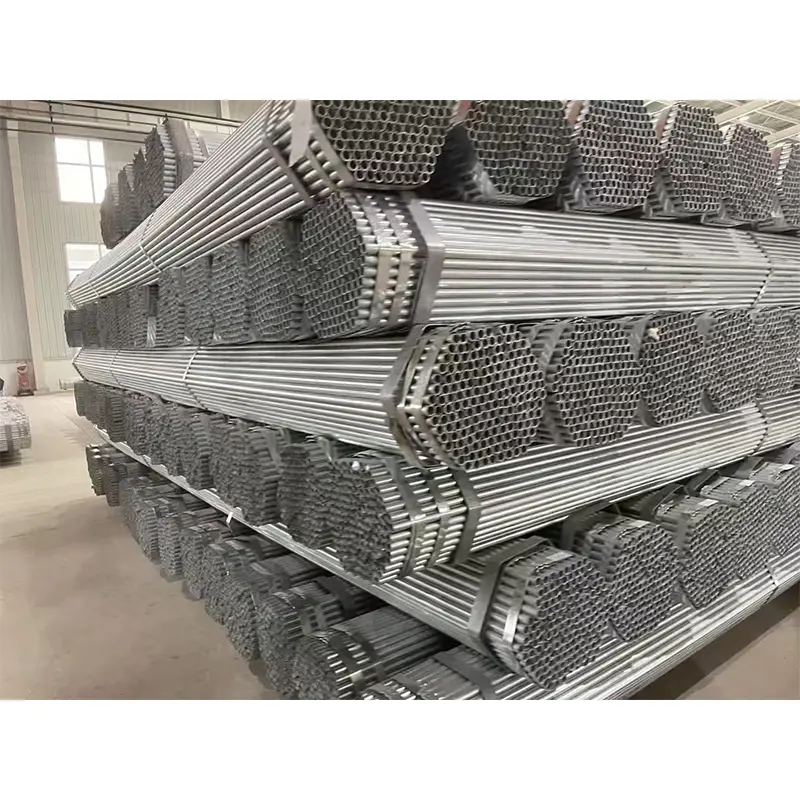
The zinc coating provides effective protection against moisture and oxidation. Standard galvanized pipes generally achieve zinc coating thickness according to national standards, while engineering projects may select thicker coatings according to environmental conditions.
A qualified galvanized surface should be smooth and uniform, without defects such as exposed steel areas, peeling, cracks, or excessive zinc buildup.
Performance Advantages
1. Strong Corrosion Resistance
The hot dip galvanized coating protects the steel substrate from direct contact with water and oxygen. Compared with black steel pipes, galvanized pipes provide much better corrosion resistance and are suitable for humid areas such as basements, mechanical rooms, and outdoor installations.
2. Convenient Installation
Because of their smaller diameter and lighter weight, these pipes are easy to transport, cut, and install. They can be connected through threading, welding, or grooved fittings, with complete accessories including elbows, tees, and couplings available for different pipeline layouts.
3. Reliable Mechanical Strength
Although designed for small diameter applications, galvanized steel pipes maintain good strength and impact resistance. Compared with plastic pipes, they provide better resistance to mechanical damage and higher structural stability.
4. Cost-Effective Solution
Small diameter galvanized pipes offer a practical balance between performance and cost. They are more economical than stainless steel pipes while providing much longer service life and lower maintenance requirements compared with untreated black pipes.
Main Applications
1. Building Water Supply and HVAC Systems
Small diameter galvanized steel pipes are widely used in residential buildings, commercial facilities, and public construction projects for water supply branches, heating circulation systems, and HVAC pipelines.
2. Fire Protection Systems
These pipes are commonly used in indoor fire protection branch lines, sprinkler connections, and fire hydrant systems. Their corrosion resistance and mechanical strength make them suitable for long-term building safety systems.
3. Electrical Protection and Utility Applications
Due to their impact resistance and durability, galvanized small pipes are often used as cable protection conduits, equipment support pipes, and electrical installation accessories in buildings and industrial facilities.
4. Light Structural and Agricultural Applications
The compact size and easy processing characteristics make them suitable for small fences, handrails, equipment supports, greenhouse structures, and irrigation systems.
Comparison with Other Steel Pipes
1. Compared with Black Steel Pipe
Black steel pipes have lower purchase costs but no protective zinc coating, making them more vulnerable to rust in humid environments. Small diameter galvanized pipes provide better corrosion resistance and longer service life, making them more suitable for long-term projects.
2. Compared with Cold Galvanized Pipe
Cold galvanized pipes have thinner zinc coatings and weaker adhesion. Hot dip galvanized pipes provide a thicker protective layer and better durability, which is why they are more commonly selected for engineering applications.
3. Compared with Large Diameter Galvanized Pipe
Small diameter galvanized pipes are mainly used for branch pipelines, indoor systems, and lightweight structures. Large diameter galvanized pipes are designed for main pipelines, municipal networks, and heavy engineering projects requiring higher flow capacity.
Selection Guide
1. Material Selection
For general building pipelines, water supply systems, and structural applications, Q235B is usually the preferred choice. Lightweight applications with lower strength requirements may use Q195 materials.
2. Wall Thickness Selection
Wall thickness should be selected according to pressure requirements, installation environment, and project standards. Important engineering projects should confirm actual thickness tolerance and request quality certificates.
3. Surface Quality Inspection
Before purchasing, customers should check whether the galvanized surface is uniform and complete. Qualified pipes should have no leakage points, peeling coating, cracks, or serious white rust.
4. Storage and Installation
During storage, pipes should be kept in dry and ventilated areas with proper support to prevent moisture accumulation and deformation. After welding or cutting, damaged galvanized areas should be repaired with suitable anti-corrosion treatment.
FAQ
Q1: What sizes are considered small diameter galvanized round steel pipes?
Small diameter galvanized round steel pipes generally refer to DN15–DN80 sizes, corresponding to outer diameters from approximately 21.3mm to 88.9mm. They are commonly used in building pipelines, fire protection branches, and utility systems.
Q2: Are these pipes welded or seamless?
Most small diameter galvanized pipes use high-frequency welded steel pipes because they provide good production efficiency and cost advantages. Seamless pipes are available for applications requiring higher pressure performance.
Q3: What materials are commonly used?
Q235B is the most common material due to its balanced mechanical properties and good weldability. Q195 is suitable for lightweight applications, while 20# seamless steel may be selected for special requirements.
Q4: What standards do these pipes follow?
The pipe body generally follows GB/T 3091-2015, while the galvanizing process follows GB/T 13912-2002. Seamless pipe applications may refer to GB/T 8163 standards.
Q5: What is the difference between small diameter and large diameter galvanized pipes?
The main difference is application focus. Small diameter galvanized pipes are mainly used for branch pipelines, indoor systems, and lightweight structures, while large diameter galvanized pipes are designed for main pipelines and heavy engineering projects.
Hot Tags: Small Diameter Hot Dip Galvanized Round Steel Pipe, hot dip galvanized pipe, galvanized round tube
Related Category
Send Inquiry
Contact Info
-
Address
300 meters east of the intersection of Tuanda Line and Cuitang Road, Daqiuzhuang Town, Jinghai District, Tianjin City, China
-
Tel
-
Email
If you have any inquiry about a quotation or cooperation, please feel free to email or use the following inquiry form. Our sales representative will contact you within 24 hours.