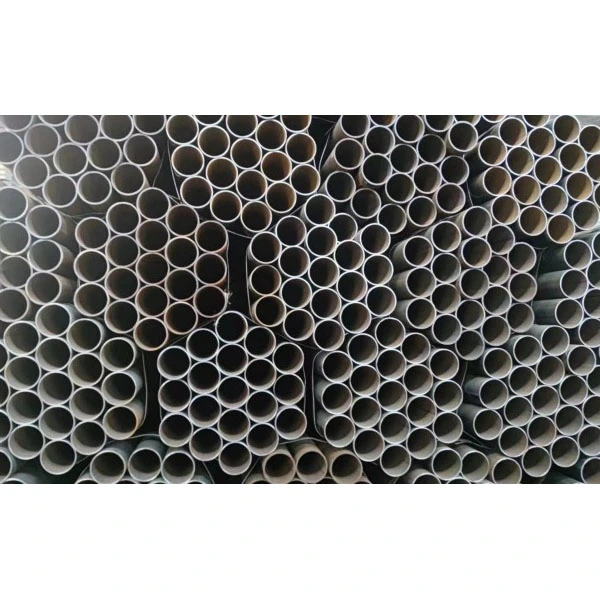
An In-Depth Application Analysis of High-Precision Engineering Solutions
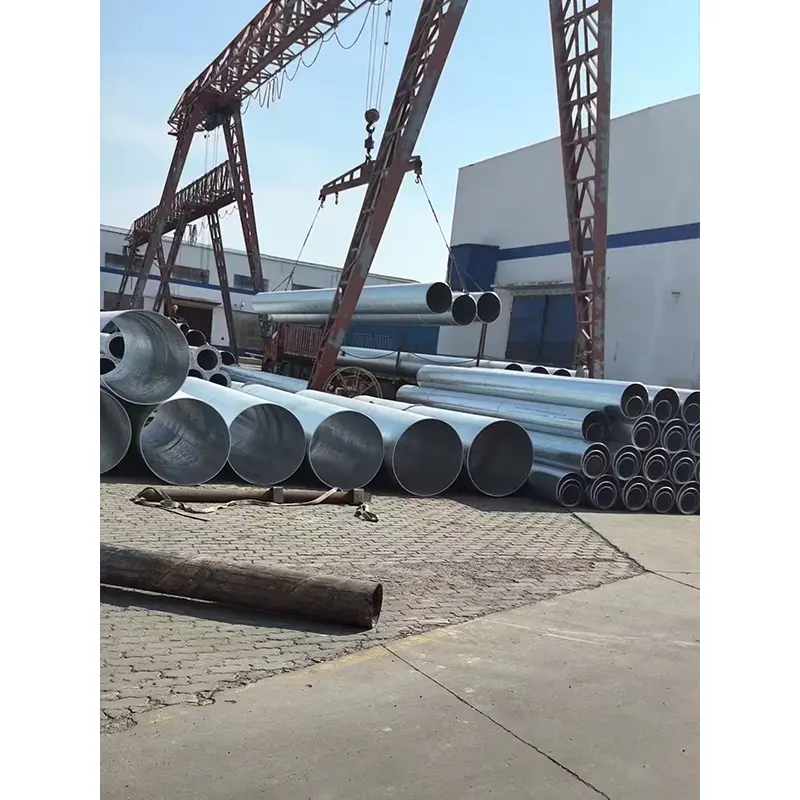
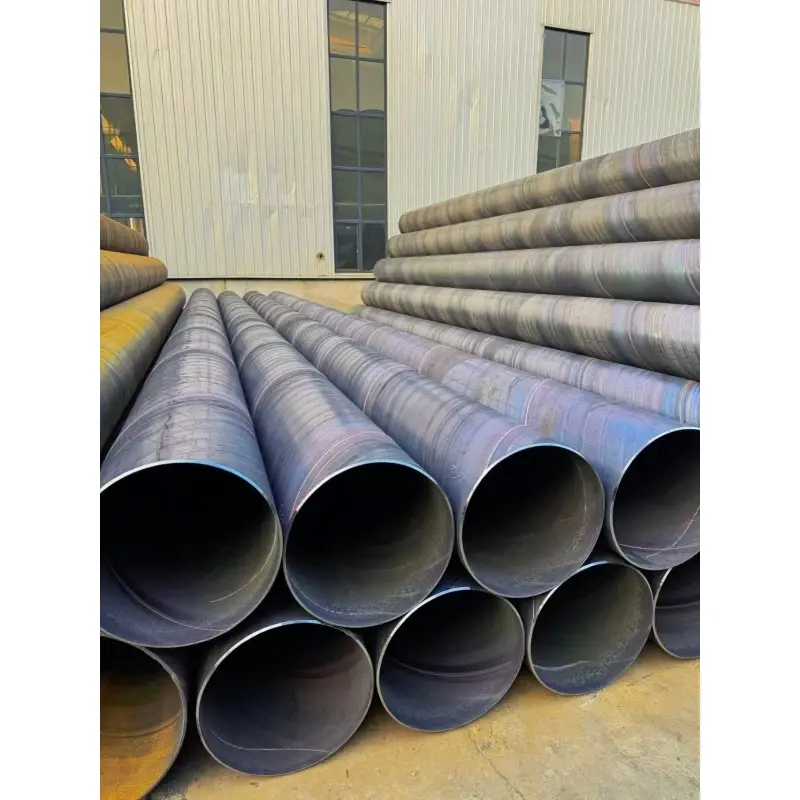
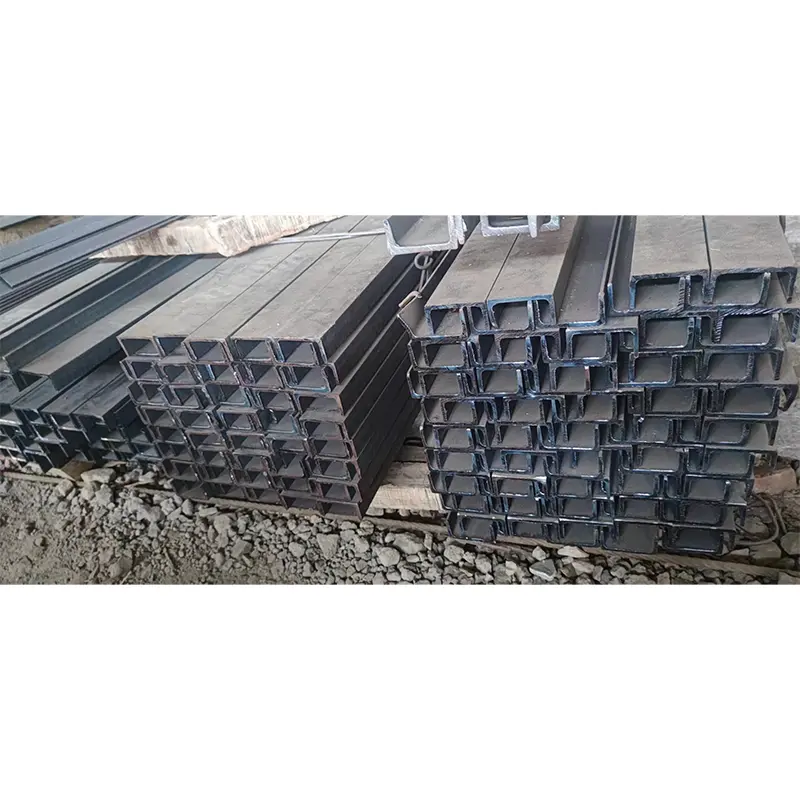
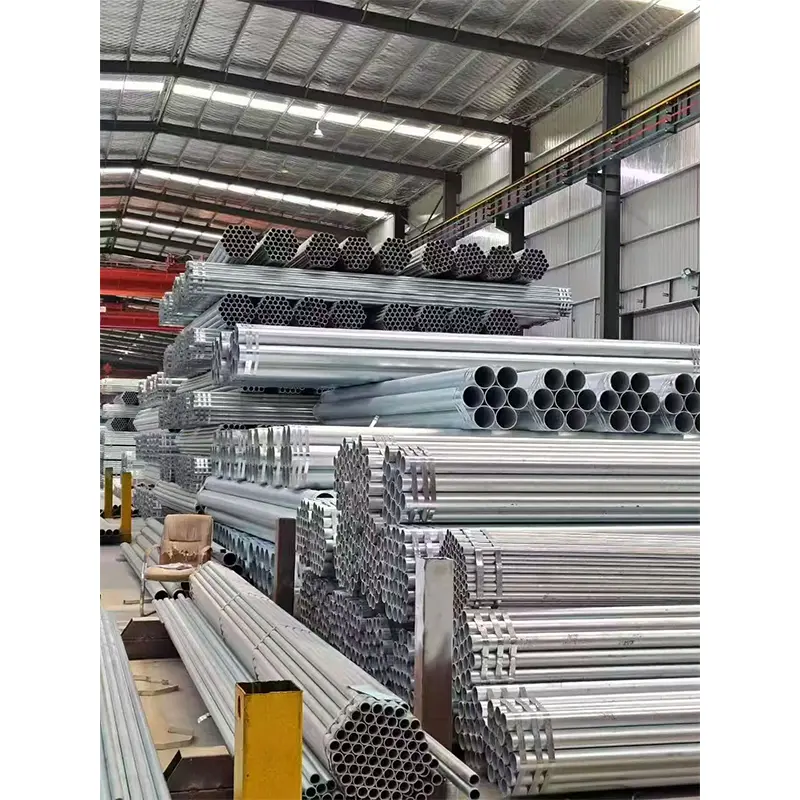
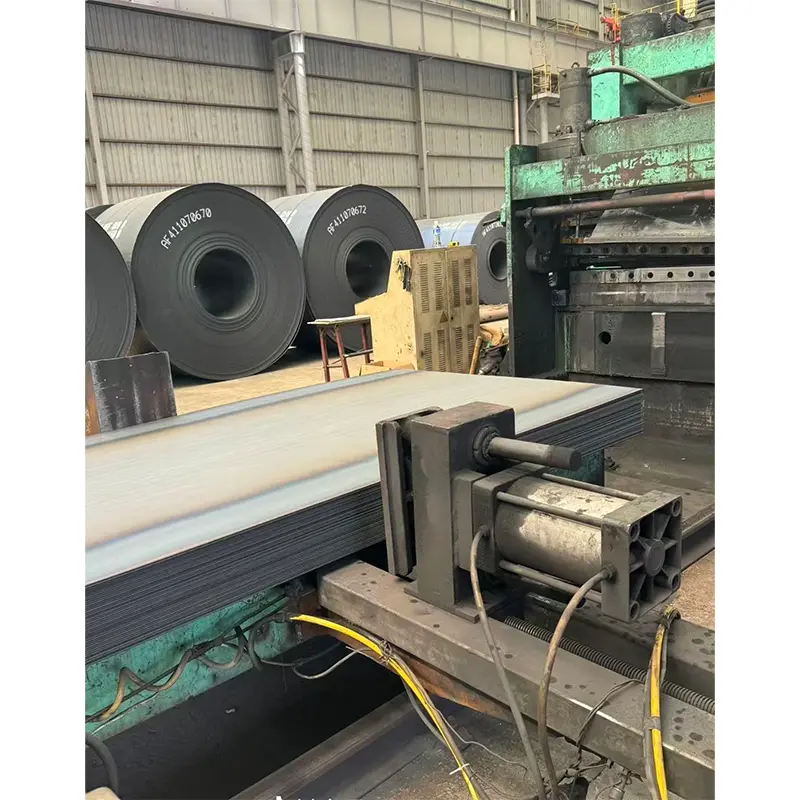
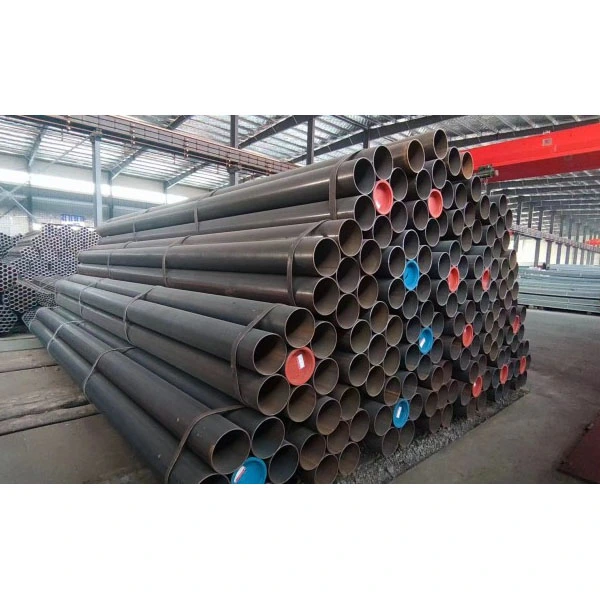
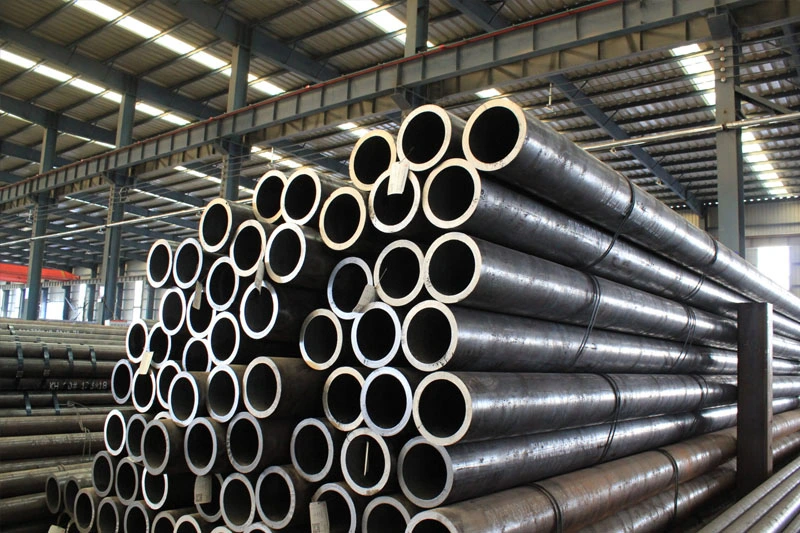
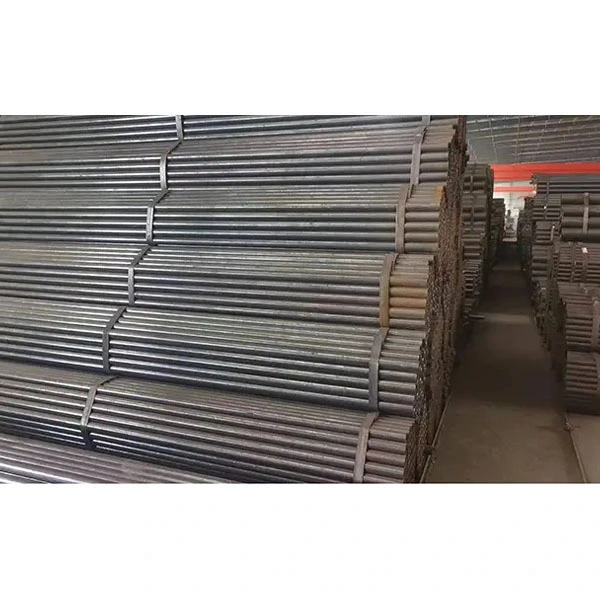
As modern industrial manufacturing and civil construction continue to prioritize material efficiency, weight reduction, and structural stability, engineering teams are increasingly turning to advanced piping configurations. The application scope for ZHONGTIAN Thin-Wall Longitudinal Welded Steel Pipes has expanded significantly across global engineering projects, replacing heavier, traditional piping options in low-to-medium pressure and structural applications.
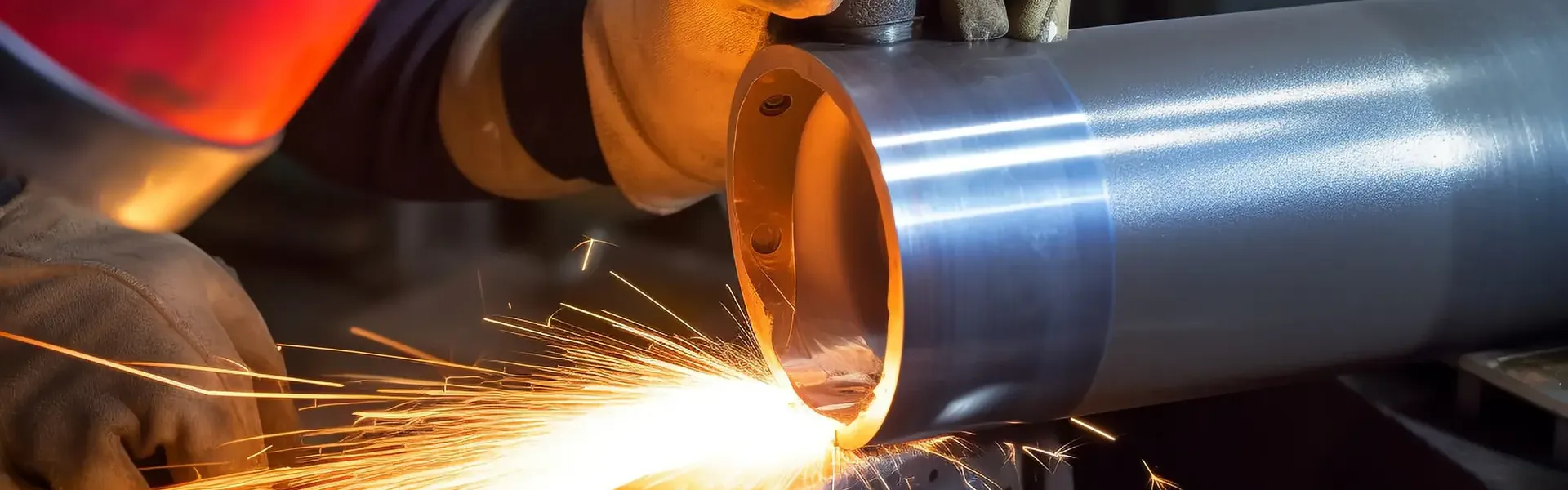
Manufactured using high-frequency resistance welding processes, ZHONGTIAN thin-wall steel pipes offer high concentricity, uniform wall thickness, and smooth internal and external surfaces. These dimensional advantages translate into distinct operational benefits across several core sectors.
Primary Application Sectors
1. HVAC and Environmental Engineering Systems
In commercial HVAC installations, thin-wall longitudinal welded pipes serve as primary conduits for chilled water circulation, low-pressure steam, and air duct framing.
Optimized Flow Efficiency: The precise internal wall geometry reduces fluid friction losses and pressure drop across extensive piping loops.
Weight Reduction: Lower structural weight simplifies ceiling suspension networks and reduces load requirements on building support frameworks.
2. Structural Frameworks, Scaffolding, and Solar Mounts
In structural engineering, the high strength-to-weight ratio of ZHONGTIAN thin-wall pipes makes them ideal for lightweight load-bearing structures.
Construction Scaffolding: Offers structural rigidity for elevated work platforms while remaining easy to handle and reconfigure during site operations.
Solar Photovoltaic Mounting Brackets: Used in ground-mounted solar arrays and rooftop racking platforms requiring uniform geometry, wind resistance, and quick mechanical assembly.
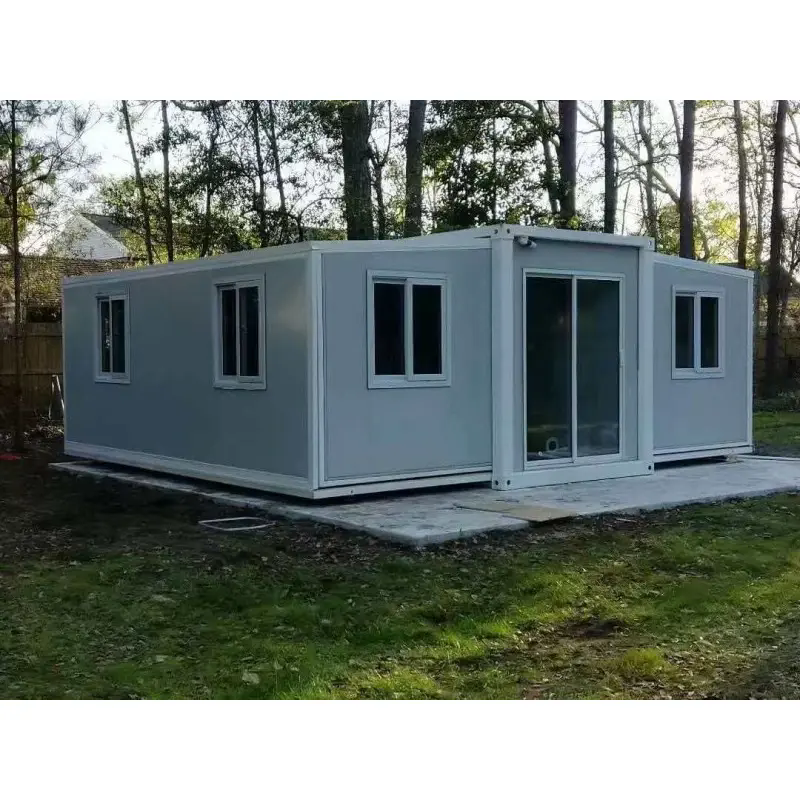
Architectural Structures: Applied in stadium trusses, modular housing frames, industrial guardrails, and logistics storage racks.
3. Agricultural Irrigation and Municipal Fluid Distribution
Municipal infrastructure and modern agricultural developments rely heavily on thin-wall longitudinal welded steel pipes for efficient fluid transport over long distances.
Irrigation Networks: Lightweight piping facilitates rapid installation across agricultural fields, supplying water for sprinkler and drip systems.
Drainage and Water Supply: Used in municipal low-pressure water conveyance, rainwater drainage networks, and temporary utility bypass lines.
4. Automotive, Machinery, and Equipment Manufacturing
Beyond building infrastructure, precision thin-wall steel pipes play an essential role in mechanical fabrication and vehicle engineering.
Automotive Components: Utilized in vehicle chassis sub-frames, exhaust system piping, driveshaft tubing, and structural cab framing.
Industrial Equipment: Form the core structural components for conveyor roller tubes, agricultural machinery frames, and hydraulic cylinder casings.
Technical Application Comparison Matrix
Application Sector
Primary Industry Need
ZHONGTIAN Product Advantage
HVAC & Fire Protection
Temperature resistance & uniform flow
Smooth internal seam & consistent wall thickness
Structural Framing & Solar
High strength-to-weight ratio
Low tare weight & high torsional rigidity
Agricultural & Utility Piping
Corrosion resistance & rapid assembly
Compatible with anti-corrosive coatings & grooved joins
Machinery & Automotive
Dimensional accuracy & tight tolerances
Precise outer diameter & uniform concentricity
Meeting Strict Performance and Standard Requirements
To ensure field reliability across these varied applications, ZHONGTIAN thin-wall longitudinal welded steel pipes adhere to international manufacturing specifications, including ASTM, EN, and JIS standards. Every pipe undergoes rigorous non-destructive testing, hydrostatic inspection, and dimensional verification during production to ensure defect-free seam integrity under continuous operational stresses.
We use cookies to offer you a better browsing experience, analyze site traffic and personalize content. By using this site, you agree to our use of cookies. Privacy Policy