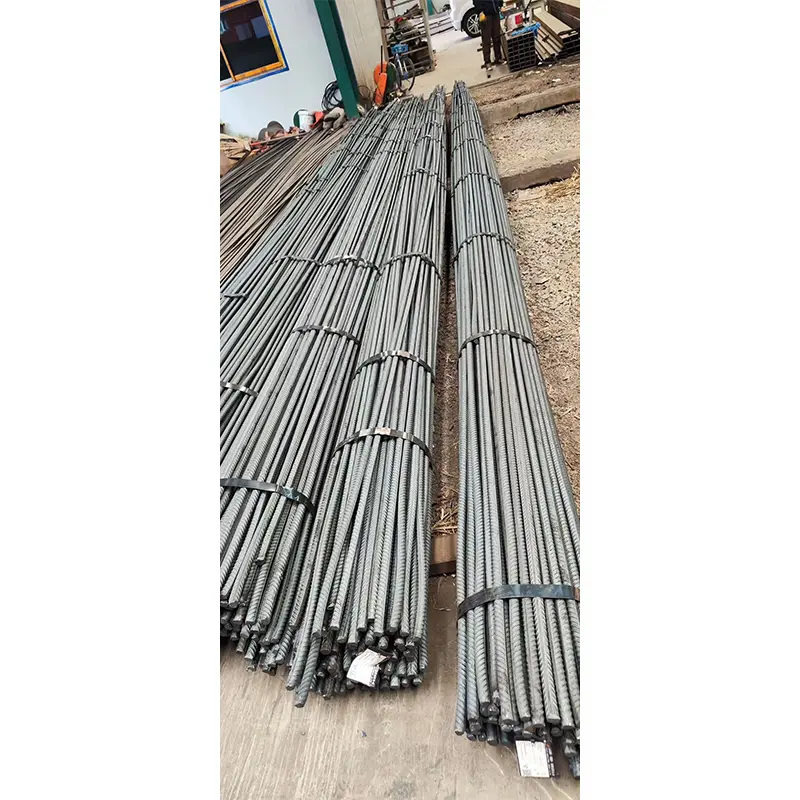
Deformed Steel Rebar
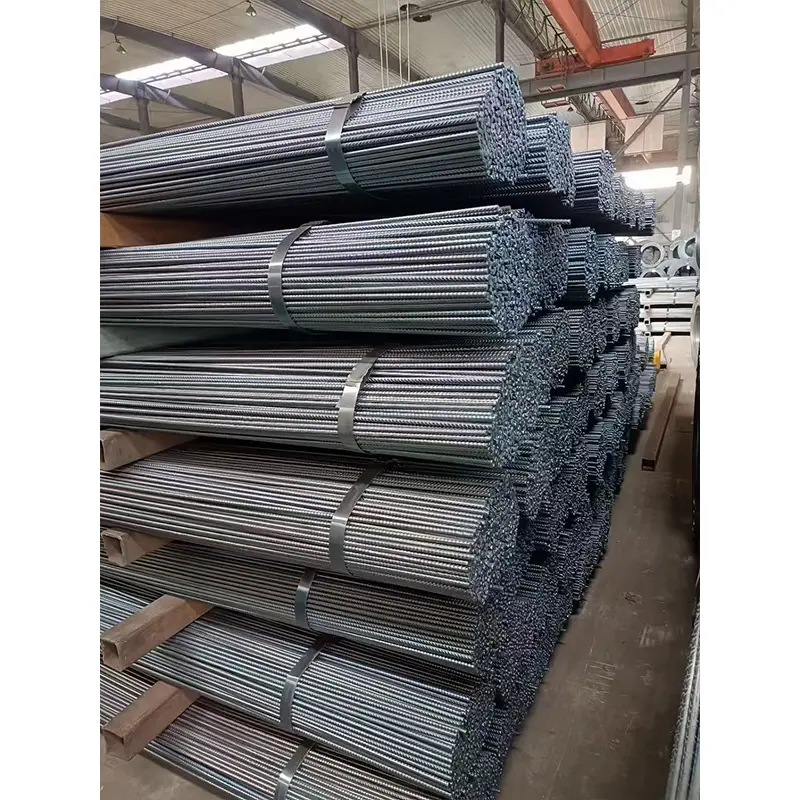
ZHONGTIAN Deformed Steel Rebar, also known as hot rolled ribbed steel bar or reinforcing steel bar, is a core construction material used in reinforced concrete structures. With a specially designed ribbed surface, it provides strong bonding performance with concrete and improves structural stability by effectively transferring tensile forces.
Compared with plain steel bars, Deformed Steel Rebar offers stronger mechanical interlocking, higher load-bearing capacity, and better resistance to deformation. It is widely used in residential buildings, commercial construction, bridges, highways, tunnels, railways, and other infrastructure projects.
As an experienced steel manufacturer in China, ZHONGTIAN supplies high-quality Deformed Steel Rebar in various grades, diameters, and international standards to meet the requirements of construction contractors, engineering companies, and global infrastructure projects.
Material Grades and Technical Specifications
1. Definition and Material Composition
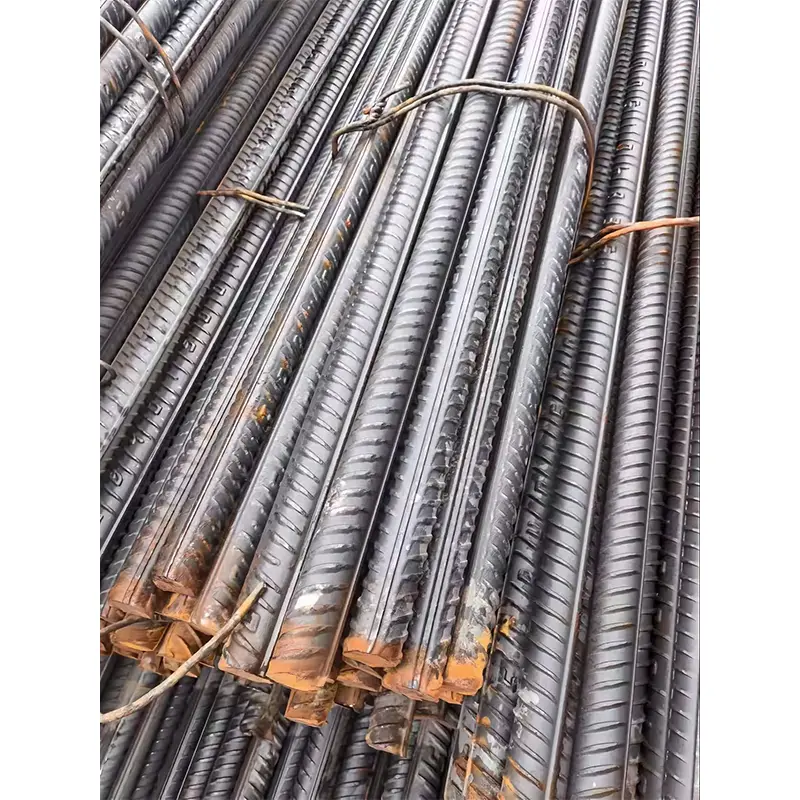
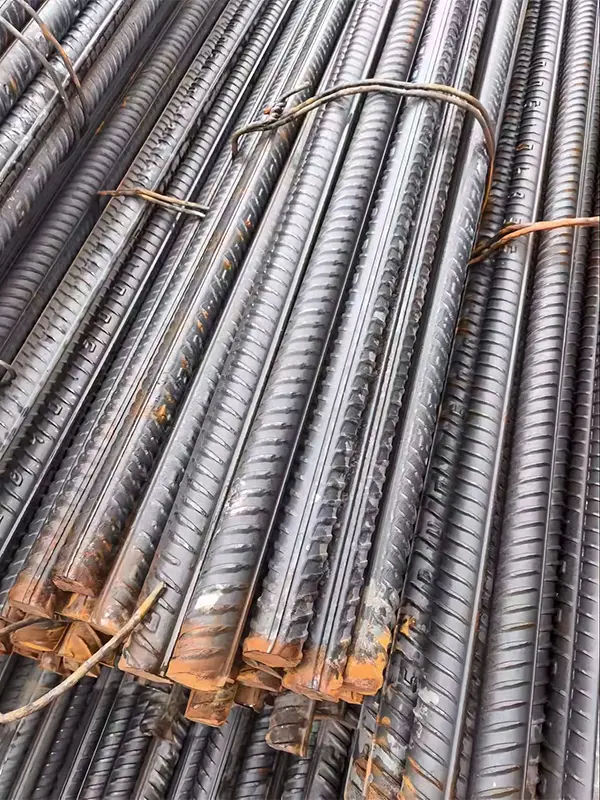
Deformed Steel Rebar is a hot rolled steel reinforcement bar with a circular cross-section and raised ribs on the surface. These ribs improve the mechanical bonding between steel and concrete, preventing excessive slipping and enhancing the overall strength of reinforced concrete structures.
The product is manufactured from carbon structural steel or low-alloy structural steel. The main chemical elements include carbon (C), silicon (Si), manganese (Mn), phosphorus (P), and sulfur (S), which influence the strength, toughness, weldability, and durability of the steel.
The surface structure generally consists of two longitudinal ribs and evenly distributed transverse ribs. According to different manufacturing standards, the rib patterns can be designed as spiral, herringbone, or crescent shapes to provide stable bonding performance with concrete.
2. Steel Grades and Strength Performance
ZHONGTIAN Deformed Steel Rebar is available in different strength grades to meet various construction requirements. Customers can select suitable grades according to structural design, load conditions, and engineering standards.
|
Steel Grade |
Yield Strength |
Tensile Strength |
Typical Applications |
|
HRB335 |
≥335 MPa |
According to standard requirements |
General concrete structures and small construction projects |
|
HRB400 |
≥400 MPa |
≥540 MPa |
Residential buildings, commercial buildings, bridges, municipal projects |
|
HRB400E |
≥400 MPa |
≥540 MPa |
Earthquake-resistant structures and seismic areas |
|
HRB500 |
≥500 MPa |
≥630 MPa |
Heavy-load structures, large-span projects, high-rise buildings |
Among these grades, HRB400 is one of the most widely used grades for modern construction projects. HRB400E is designed for structures requiring enhanced seismic performance, while HRB500 is suitable for projects with higher strength requirements.
3. Specifications and Size Range
ZHONGTIAN Deformed Steel Rebar is supplied in a wide range of diameters and lengths to support different construction applications.
|
Item |
Specification |
|
Product Name |
Deformed Steel Rebar |
|
Product Type |
Hot Rolled Ribbed Reinforcing Steel Bar |
|
Diameter Range |
6mm–50mm |
|
Common Sizes |
12mm, 16mm, 20mm, 25mm |
|
Large Sizes |
32mm, 40mm, 50mm |
|
Standard Length |
9m / 12m |
|
Customized Length |
Available |
|
Surface Type |
Ribbed Surface |
|
Production Standard |
GB 1499.2-2018, ASTM, BS, DIN, JIS |
The most commonly used diameters are 12mm, 16mm, 20mm, and 25mm. Smaller sizes are often used for secondary reinforcement, while larger diameters are mainly applied in bridges, industrial facilities, and heavy-duty structures.
Manufacturing Process and Performance Advantages
1. Hot Rolling Process and Quality Control
ZHONGTIAN Deformed Steel Rebar is manufactured through a complete steel production process, including steelmaking, continuous casting, hot rolling, cooling, straightening, and inspection.
During production, steel billets are heated to high temperatures and rolled into bars with precisely formed rib patterns. After rolling, the steel bars are cooled and processed to achieve stable mechanical properties and accurate dimensions.
Before shipment, ZHONGTIAN performs strict quality inspections including chemical composition analysis, tensile strength testing, yield strength testing, elongation testing, bending tests, and dimensional inspection to ensure every batch meets customer requirements.
2. Ribbed Surface Improves Concrete Bonding
The ribbed surface is the key feature that differentiates Deformed Steel Rebar from plain steel bars. The raised ribs create mechanical locking between steel and concrete, increasing friction and improving stress transfer efficiency.
This enhanced bonding performance helps reduce the risk of steel movement inside concrete structures and improves the overall stability of reinforced components. As a result, Deformed Steel Rebar can provide better reinforcement performance in structures exposed to heavy loads, vibration, and external forces.
For modern construction projects, the combination of high strength and strong concrete adhesion makes Deformed Steel Rebar an essential reinforcement material.
3. Mechanical Properties and Structural Performance
Deformed Steel Rebar provides a balance of strength, ductility, and processing flexibility, making it suitable for various reinforced concrete applications.
|
Performance Feature |
Description |
|
High Strength |
Provides strong load-bearing capability for concrete structures |
|
Excellent Bonding |
Ribbed surface improves steel-concrete adhesion |
|
Good Ductility |
Allows deformation before failure and improves structural safety |
|
Good Processing Performance |
Suitable for bending, welding, and fabrication |
The combination of strength and ductility is especially important in earthquake-resistant construction, where reinforcement materials need to absorb energy and maintain structural integrity.
Applications of Deformed Steel Rebar
1. Residential and Commercial Construction
Deformed Steel Rebar is widely used in residential and commercial buildings as the main reinforcement material for concrete structures. It is commonly applied in foundations, beams, columns, floor slabs, shear walls, and structural frames.
For high-rise buildings, reinforcement steel plays an important role in improving structural strength and resistance against external loads. The strong bonding performance between Deformed Steel Rebar and concrete helps ensure long-term safety and durability.
2. Infrastructure Engineering Projects
In large-scale infrastructure projects, Deformed Steel Rebar is widely used in bridges, highways, tunnels, railways, and municipal construction.
Its high strength and reliable mechanical performance make it suitable for structures that require long service life and resistance to heavy traffic loads, vibration, and environmental impact.
ZHONGTIAN provides reinforcement steel solutions for international engineering projects requiring stable quality and consistent supply capacity.
3. Water Conservancy and Industrial Structures
Deformed Steel Rebar is also used in water conservancy and industrial construction projects, including dams, drainage structures, pumping stations, power plants, warehouses, and industrial facilities.
These applications require reinforcement materials with strong durability and load-bearing performance. The reliable mechanical properties of Deformed Steel Rebar help improve the stability and service life of reinforced concrete structures.
Comparison with Other Reinforcement Materials
Deformed Steel Rebar and plain steel bar are both used in construction reinforcement, but their surface structures and reinforcement performance are different.
|
Comparison Item |
Deformed Steel Rebar |
Plain Steel Bar |
|
Surface Design |
Ribbed surface |
Smooth surface |
|
Concrete Bonding |
Strong mechanical bonding |
Lower bonding strength |
|
Load Transfer |
More efficient |
Limited |
|
Main Application |
Structural reinforcement |
Stirrups, secondary reinforcement |
|
Construction Performance |
Higher reinforcement efficiency |
General reinforcement use |
Due to its superior bonding capability, Deformed Steel Rebar has become the preferred choice for modern reinforced concrete construction.
International Application Case
Deformed Steel Rebar Supplied for Southeast Asian Infrastructure Project
A construction contractor in Southeast Asia was developing a large infrastructure project and required a reliable reinforcement steel supplier that could provide consistent quality, competitive pricing, and stable delivery.
After evaluating several suppliers, the contractor selected ZHONGTIAN Deformed Steel Rebar due to its professional production capability, strict quality control system, and experience in international steel supply.
ZHONGTIAN supplied HRB400 Deformed Steel Rebar according to the project's required diameter, length, and delivery schedule. The products were used in reinforced concrete foundations, structural components, and supporting infrastructure construction.
The project team recognized ZHONGTIAN's stable product quality, accurate delivery performance, and professional service. The successful cooperation resulted in continued supply for future construction projects.
Why Choose ZHONGTIAN Deformed Steel Rebar?
1. Professional Reinforcement Steel Manufacturing Capability
ZHONGTIAN specializes in manufacturing and supplying Deformed Steel Rebar for global construction companies, contractors, and engineering projects.
With professional production processes, strict quality management, and experienced export service, ZHONGTIAN ensures stable material performance and reliable supply capability for different construction requirements.
2. Customized Solutions for Global Projects
ZHONGTIAN provides flexible reinforcement steel solutions including customized diameters, lengths, packaging methods, and international standard requirements.
Whether for residential construction, infrastructure projects, or industrial applications, ZHONGTIAN works closely with customers to provide suitable Deformed Steel Rebar products that meet project specifications.
FAQ
1. What Is the Difference Between Deformed Steel Rebar and Plain Steel Bar?
Deformed Steel Rebar has raised ribs on the surface, which improve bonding with concrete and enhance structural strength. Plain steel bars have smooth surfaces and provide lower bonding performance, so they are mainly used for secondary reinforcement applications.
2. What Does HRB400E Mean?
HRB400E is an earthquake-resistant grade of Deformed Steel Rebar. It is designed for seismic areas and provides improved ductility, controlled strength performance, and better resistance against earthquake forces.
3. How to Choose the Correct Rebar Diameter?
The selection of rebar diameter depends on structural design requirements. Smaller diameters such as 12mm and 16mm are commonly used for slabs and secondary structures, while larger diameters such as 20mm, 25mm, and above are usually selected for beams, columns, bridges, and heavy structures.
4. How to Identify Qualified Deformed Steel Rebar?
Qualified Deformed Steel Rebar should have clear manufacturer markings, correct steel grade identification, stable dimensions, and supporting quality certificates. Customers should also check tensile tests, bending tests, and inspection reports before acceptance.
5. How Should Deformed Steel Rebar Be Stored?
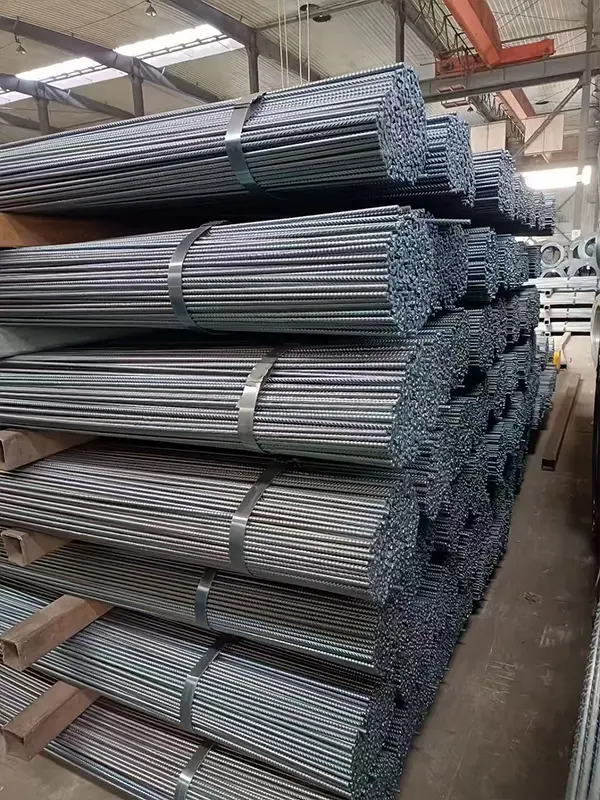
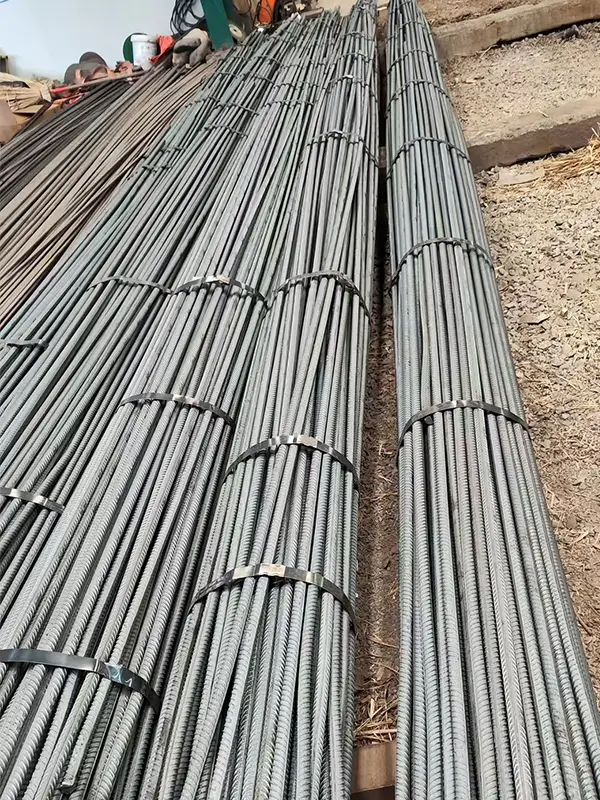
Deformed Steel Rebar should be stored in a dry and ventilated environment. For outdoor storage, the steel bars should be placed above ground level and protected from rainwater. Different specifications should be separated to prevent mixing and deformation.
Hot Tags: Deformed Steel Rebar, Ribbed Steel Rebar, Reinforcing Steel Bar
Send Inquiry
Contact Info
-
Address
300 meters east of the intersection of Tuanda Line and Cuitang Road, Daqiuzhuang Town, Jinghai District, Tianjin City, China
-
Tel
-
Email
If you have any inquiry about a quotation or cooperation, please feel free to email or use the following inquiry form. Our sales representative will contact you within 24 hours.