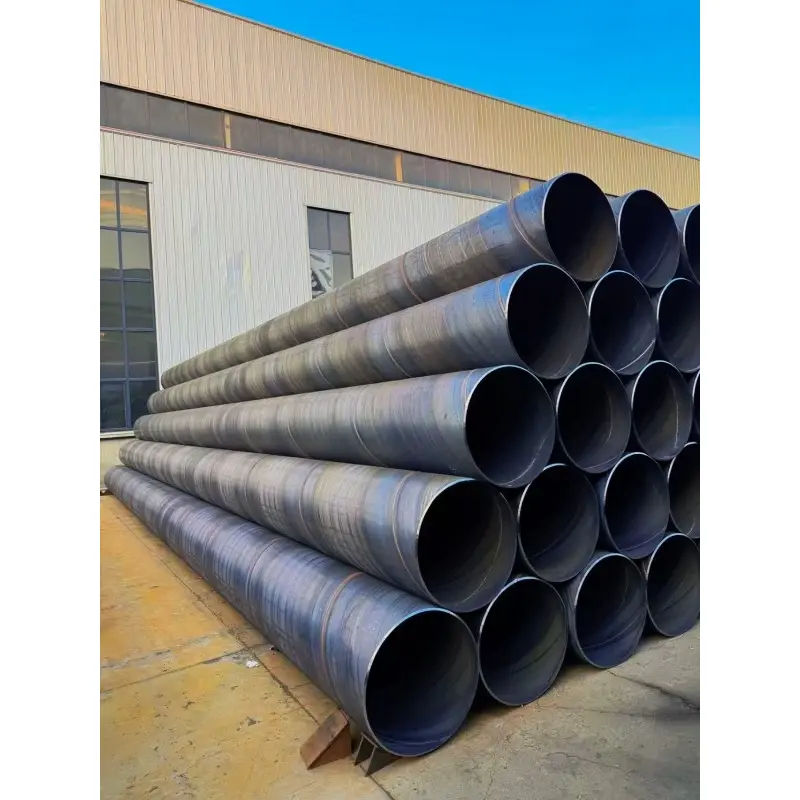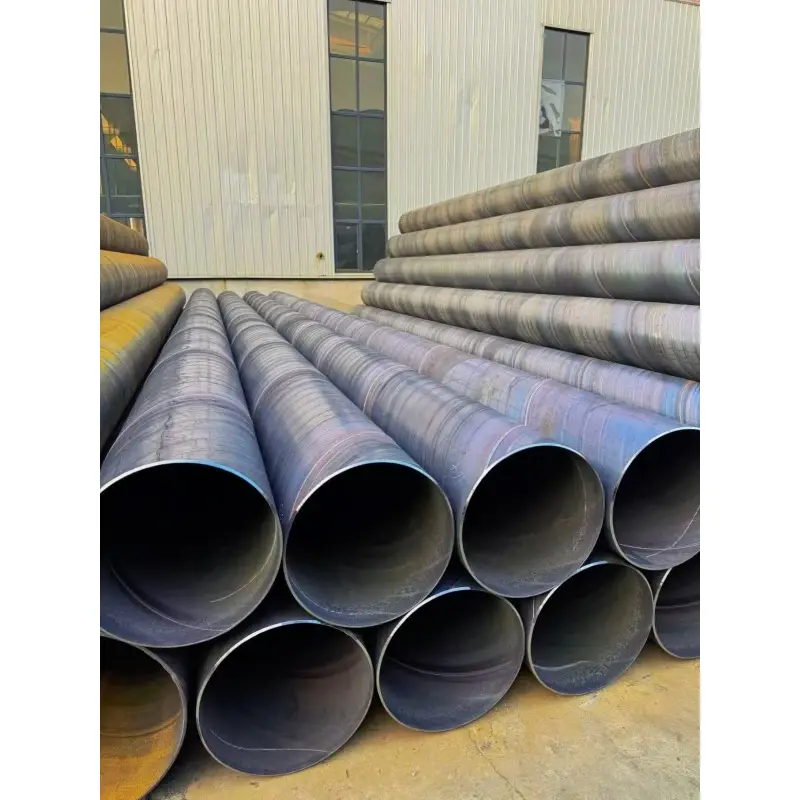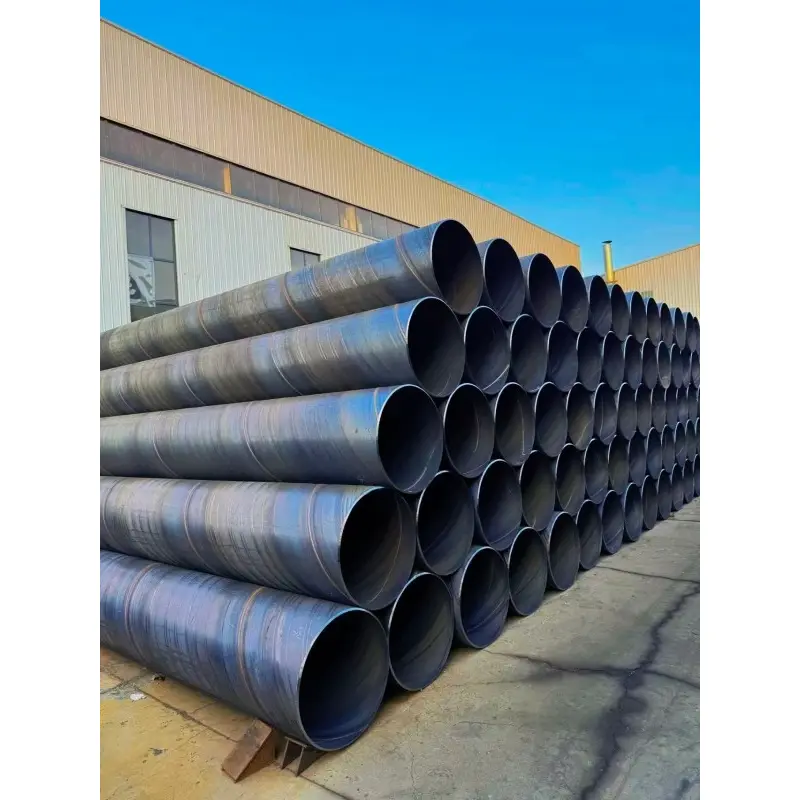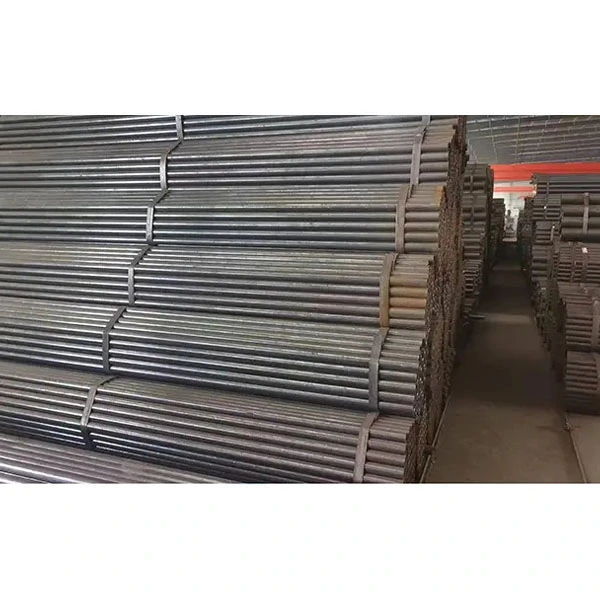
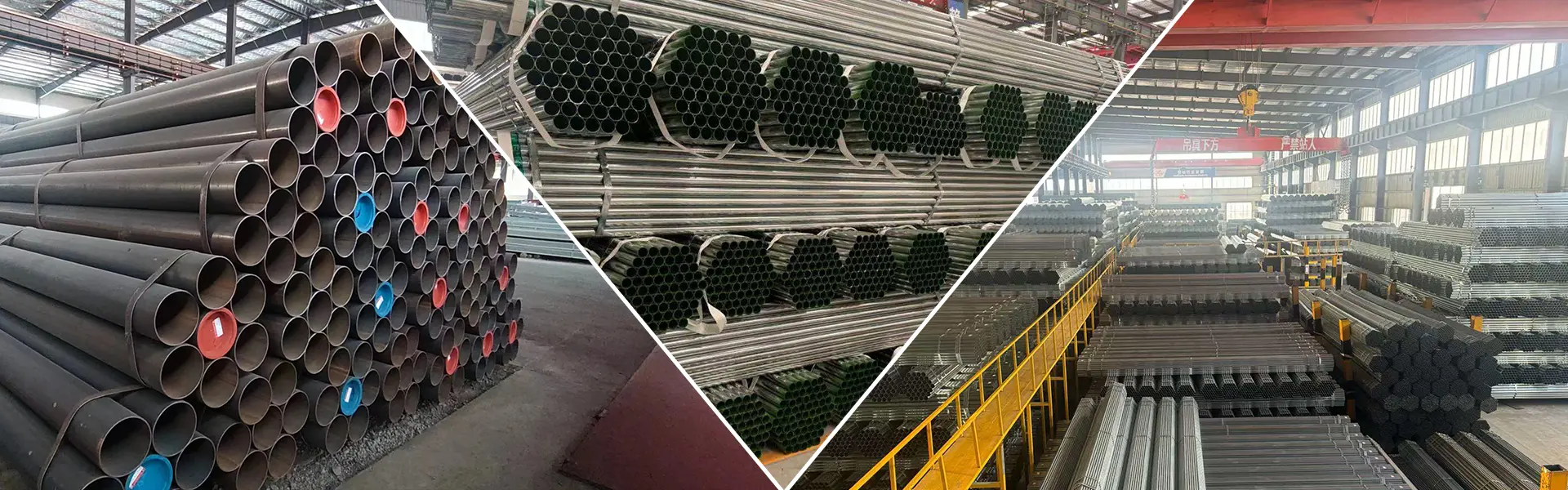
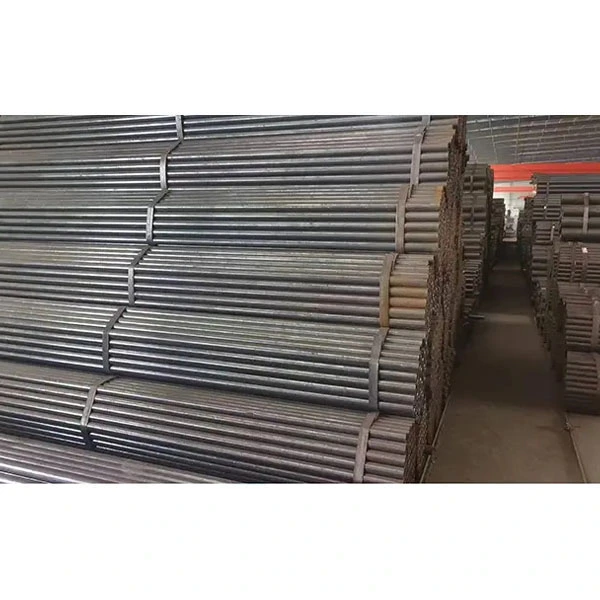
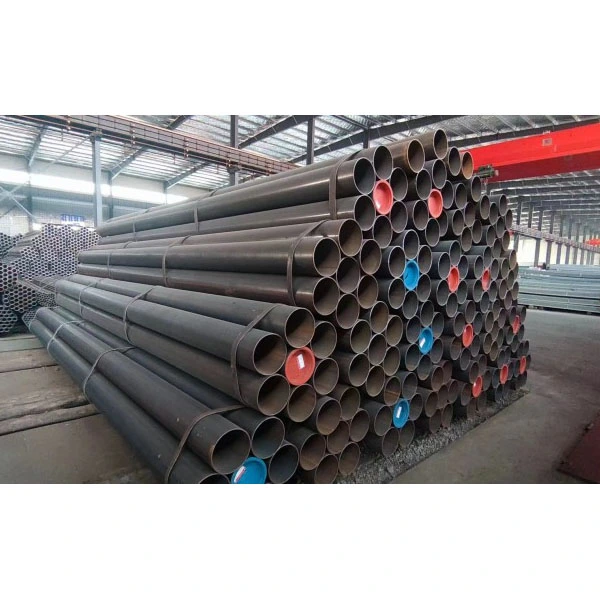
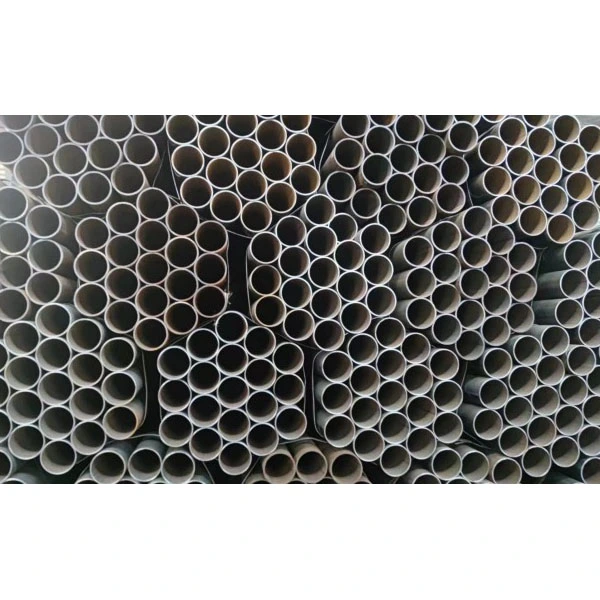
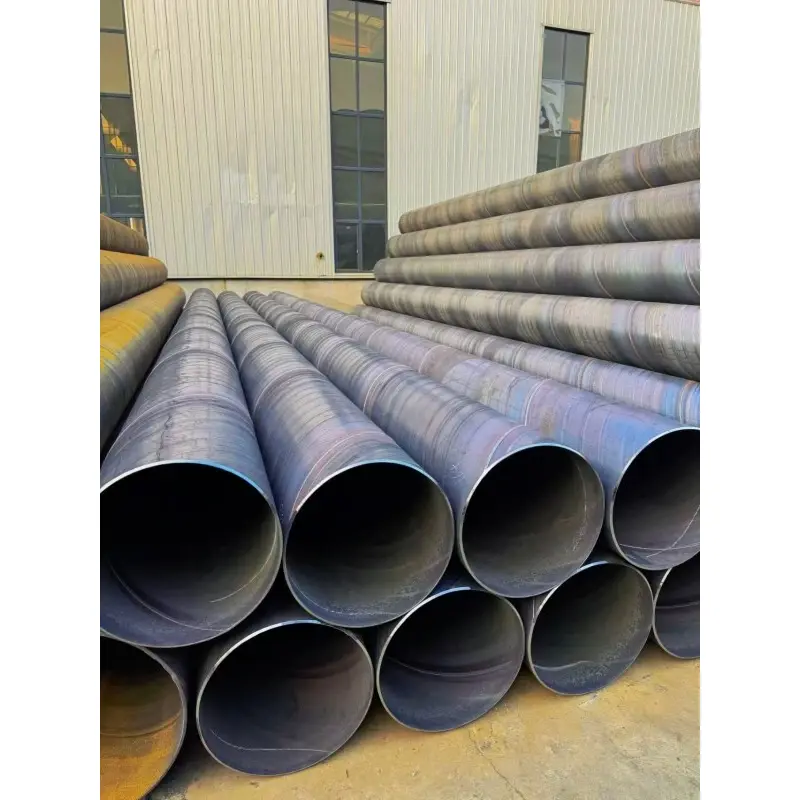
Thin Wall Spiral Welded Steel Pipe
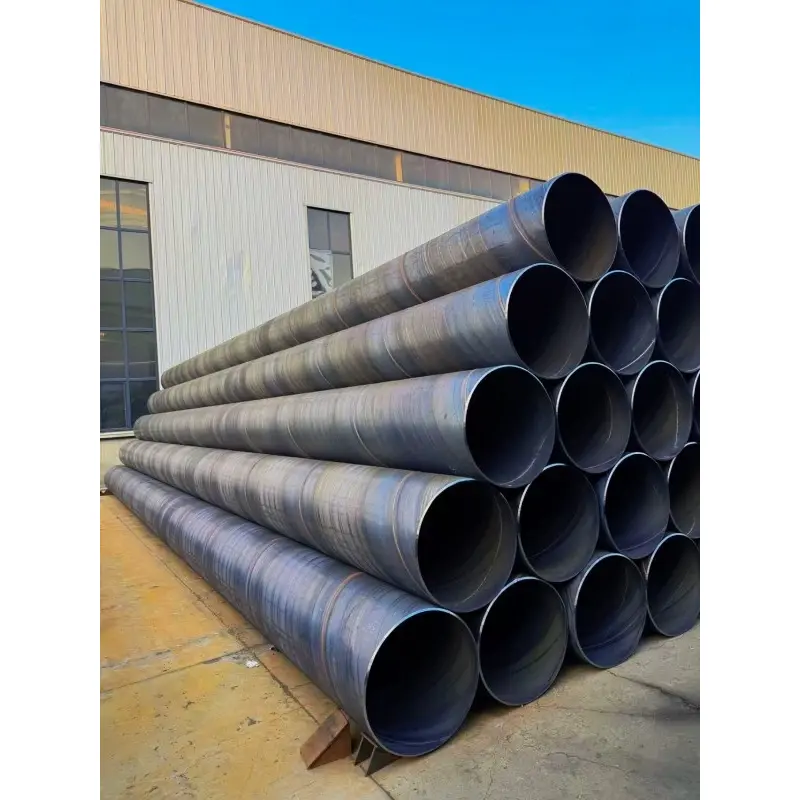
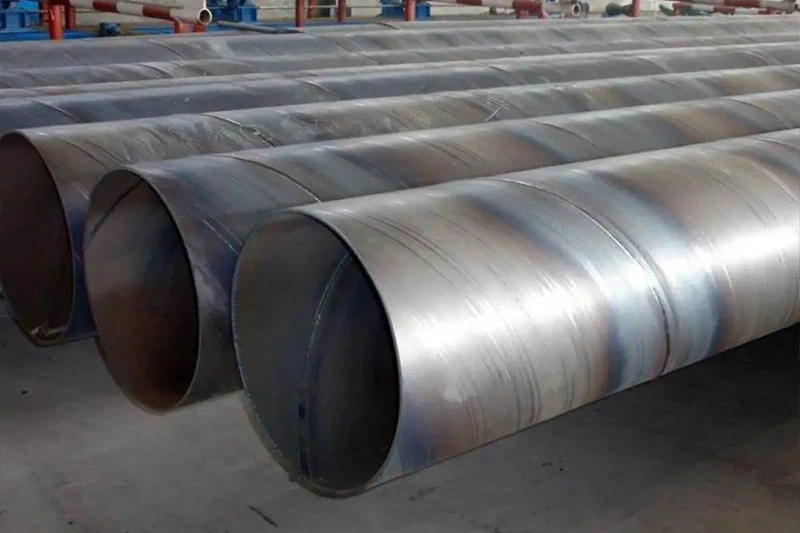
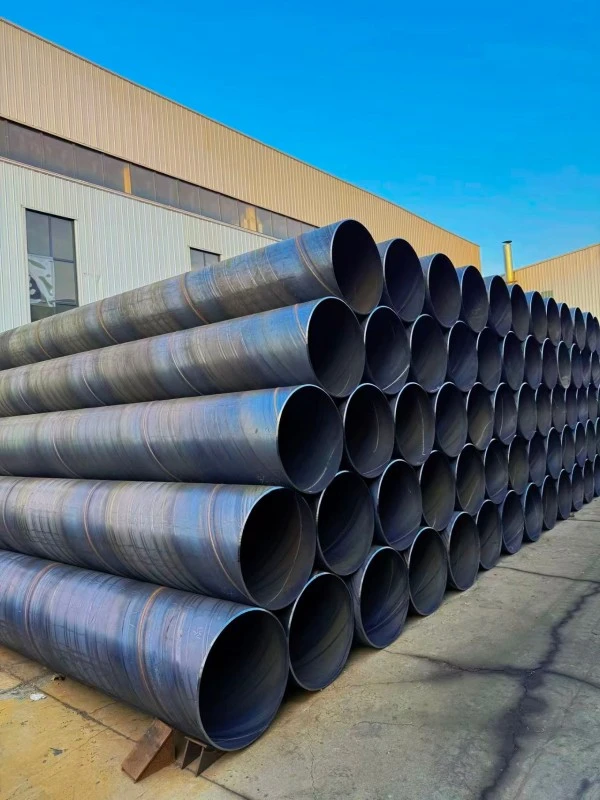
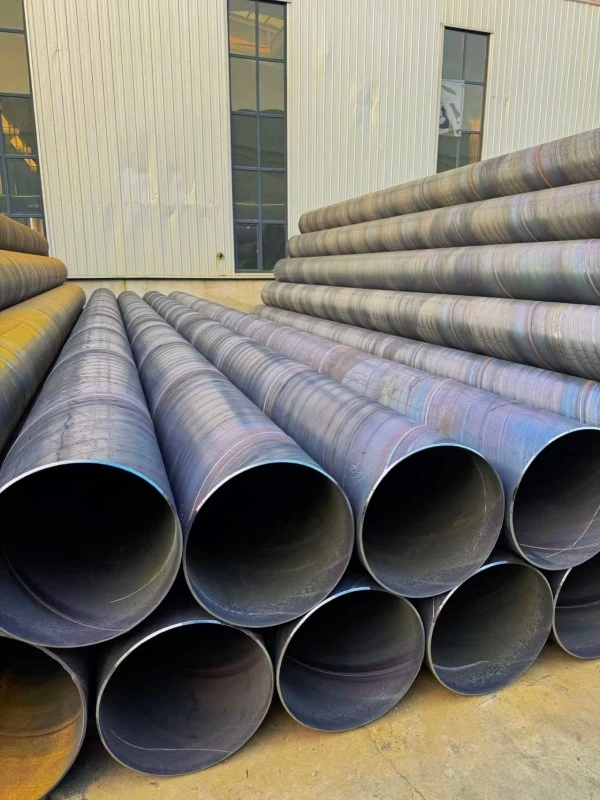
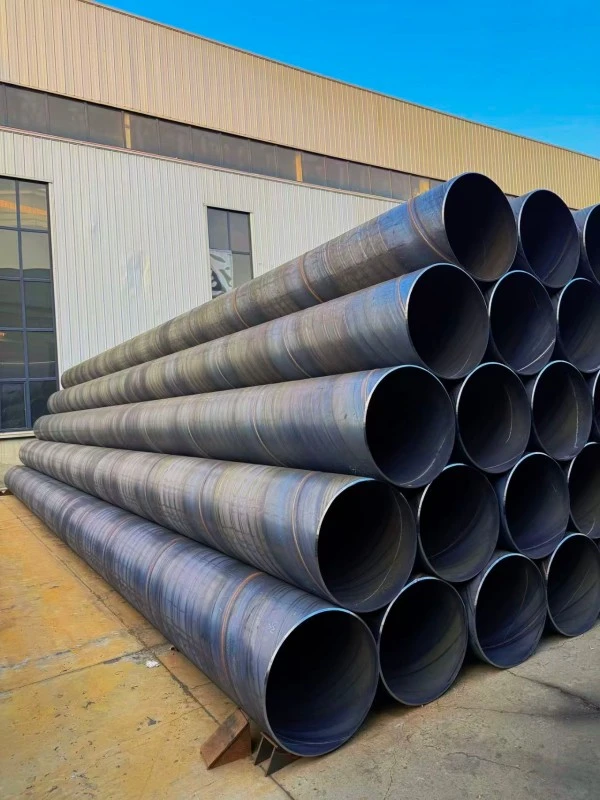
Thin Wall Spiral Welded Steel Pipe, also called Thin Wall SSAW Steel Pipe, is a lightweight large diameter welded pipe manufactured from hot rolled steel coils using spiral forming and double-sided submerged arc welding technology. With thin wall design, cost efficiency, and reliable performance, it is widely used in low-pressure fluid transportation, municipal pipelines, industrial applications, and lightweight structures. ZHONGTIAN is a professional steel pipe manufacturer in China providing customized solutions.
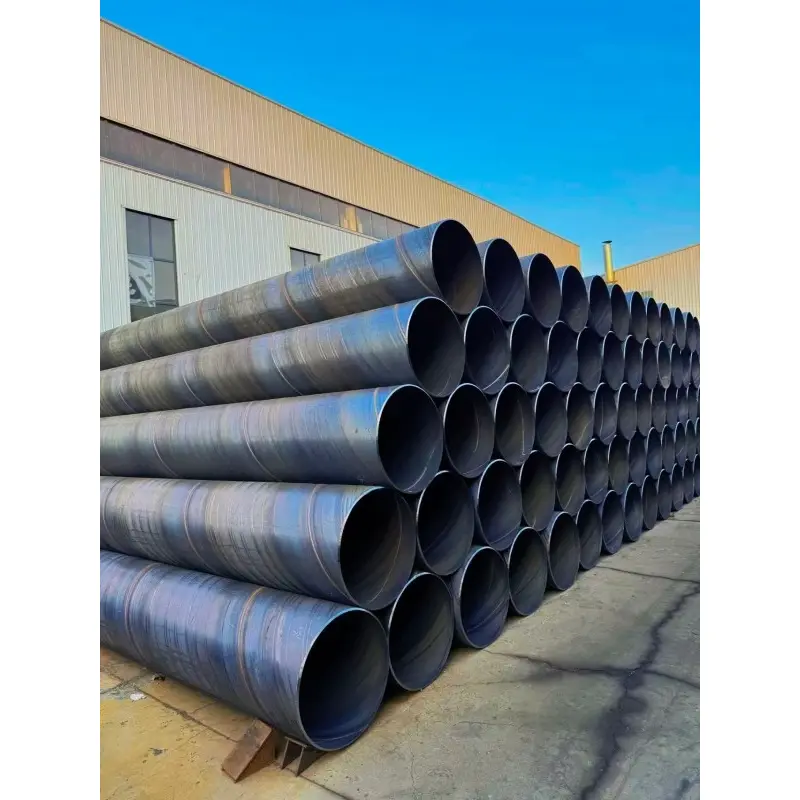
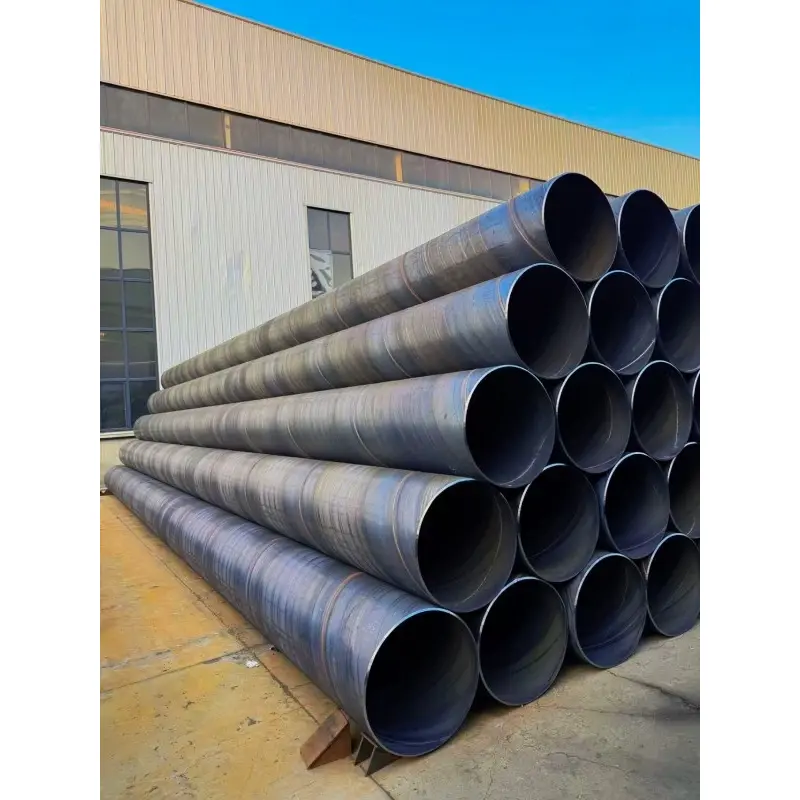
Thin Wall Spiral Welded Steel Pipe, also called Thin Wall SSAW Steel Pipe, is a type of spiral seam welded steel pipe produced by continuously forming hot rolled steel strips into spiral shapes and welding the internal and external seams through double-sided submerged arc welding.
The main characteristics of this product include thin wall thickness, large diameter capability, lightweight structure, high material utilization rate, and stable mechanical performance. Compared with thick wall spiral welded steel pipes, thin wall SSAW steel pipes are mainly used in low-pressure applications where lightweight construction and economical operation are important.
In the steel pipe industry, pipes with wall thickness ≤12mm and diameter above DN200 are generally classified as thin wall spiral welded steel pipes. The commonly selected wall thickness is around 5mm for DN200 pipes, 5–8mm for DN300–DN800 pipes, and 8–12mm for DN1000 and larger diameter pipes.
Main Specifications
Thin Wall Spiral Welded Steel Pipe supplied by ZHONGTIAN is available in outer diameters from φ219mm to φ3620mm, covering DN200 to DN3600. The most commonly used diameter range is DN600–DN2000, which meets the requirements of large-scale municipal and industrial pipeline projects.
The available wall thickness includes 5mm, 6mm, 7mm, 8mm, 10mm, and 12mm. Main material grades include Q235B, Q355B, and L245 according to different pressure requirements and application conditions.
The standard pipe length is usually 6–12 meters, while customized lengths of 15–18 meters can also be produced according to project requirements. The products can be manufactured according to SY/T 5037, GB/T 9711.1, and API 5L PSL1 standards.
The normal working pressure range is 0.6MPa, 1.0MPa, and 1.6MPa, making them suitable for low and medium pressure fluid transportation systems.
Key Features
1. Lightweight Design and Efficient Installation
Due to its reduced wall thickness, Thin Wall Spiral Welded Steel Pipe has a significantly lower weight compared with traditional thick wall steel pipes with the same diameter. The lightweight structure reduces transportation costs, lifting requirements, and installation workload during large-scale pipeline construction.
For long-distance water transmission projects, municipal pipeline systems, and temporary pipeline networks, the lightweight design helps improve construction efficiency and reduce overall project costs. It is especially suitable for projects where installation speed and transportation convenience are important factors.
2. Good Ring Stiffness and Settlement Resistance
Although Thin Wall SSAW Steel Pipe adopts a thinner wall design, its spiral welded structure provides reliable ring stiffness and deformation resistance. The spiral welding seam distributes stress more evenly along the pipe body, improving resistance against external pressure, soil movement, and uneven foundation settlement.
For buried pipeline applications, this structure helps maintain stable performance under normal installation conditions and reduces the risk of deformation caused by ground changes.
3. Smooth Inner Surface and Low Flow Resistance
The double-sided submerged arc welding process provides stable welding quality and improves the internal surface condition of the pipe. Compared with traditional welded structures, the internal surface of Thin Wall Spiral Welded Steel Pipe has lower flow resistance.
This advantage makes it suitable for water transportation, ventilation systems, dust removal pipelines, and industrial circulation systems where efficient fluid or air movement is required.
4. Economical Large Diameter Pipeline Solution
Thin Wall Spiral Welded Steel Pipe provides an economical solution for large diameter low-pressure pipeline applications. Compared with seamless steel pipes and some straight seam welded pipes, spiral welded steel pipes offer higher material utilization efficiency and lower manufacturing costs.
For large infrastructure projects involving long pipeline distances, this product can effectively reduce steel consumption, transportation expenses, and construction investment while maintaining reliable performance.
5. Reliable Welding Quality and Inspection
ZHONGTIAN Thin Wall SSAW Steel Pipe is manufactured using advanced double-sided submerged arc welding technology combined with strict quality control procedures.
During production, each pipe undergoes dimensional inspection, weld quality inspection, and hydraulic pressure testing. According to customer requirements, ultrasonic testing and X-ray inspection can be applied to verify welding performance and ensure stable product quality.
6. Flexible Large Diameter Manufacturing Capability
One of the key advantages of Thin Wall Spiral Welded Steel Pipe is its ability to achieve large diameter production through spiral forming technology.
Compared with seamless steel pipes, spiral welded steel pipes can be manufactured in larger diameters with better production flexibility and material efficiency. This makes them suitable for large-scale water engineering, municipal infrastructure, and industrial pipeline projects.
Product Applications
1. Municipal Water Supply and Drainage Pipeline
Thin Wall Spiral Welded Steel Pipe is widely used in municipal water supply and drainage systems, including urban water transmission pipelines, rainwater drainage networks, sewage pipelines, and water diversion projects.
Due to its large diameter capability, lightweight structure, and economical cost, this type of SSAW steel pipe provides an efficient solution for long-distance municipal pipeline construction. It can reduce installation difficulty while meeting the requirements of large-volume fluid transportation.
2. Industrial Ventilation and Dust Removal Systems
Thin Wall SSAW Steel Pipe is commonly applied in industrial ventilation systems, factory exhaust pipelines, dust collection systems, and air supply networks.
Its large diameter and smooth inner surface help reduce airflow resistance and improve transportation efficiency. It is suitable for factories, workshops, and industrial facilities requiring reliable ventilation and dust removal solutions.
3. Agricultural Irrigation and Water Engineering
Thin Wall Spiral Welded Steel Pipe is suitable for agricultural irrigation systems, reservoir water transportation, flood control drainage, and other low-pressure water engineering projects.
The large diameter design allows efficient water transmission over long distances, while the lightweight structure helps reduce installation and transportation costs compared with heavier steel pipe solutions.
4. Temporary Pipeline Networks
Due to its lightweight characteristics and convenient installation, Thin Wall Spiral Welded Steel Pipe is often used for temporary pipeline applications, including construction site water supply, temporary drainage systems, and short-term engineering projects.
Compared with permanent pipeline solutions, it provides advantages in cost control, installation speed, and flexibility when pipelines need to be relocated or removed after project completion.
5. Lightweight Structural Applications
Thin Wall Spiral Welded Steel Pipe can also be used in lightweight structural applications such as large greenhouse foundations, supporting columns, temporary supports, and industrial auxiliary structures.
However, it is mainly suitable for non-primary load-bearing applications and should not replace heavy structural steel pipes in projects requiring high mechanical strength or extreme loading conditions.
6. Low Pressure Industrial Fluid Transportation
Thin Wall SSAW Steel Pipe can be used for low-pressure industrial fluid transportation systems, including circulating water pipelines, heating branch pipelines, and general industrial liquid transportation.
For applications with working pressure below 1.6MPa, this product provides a practical balance between performance, installation efficiency, and project cost.
Manufacturing Process
1. Steel Coil Preparation and Edge Processing
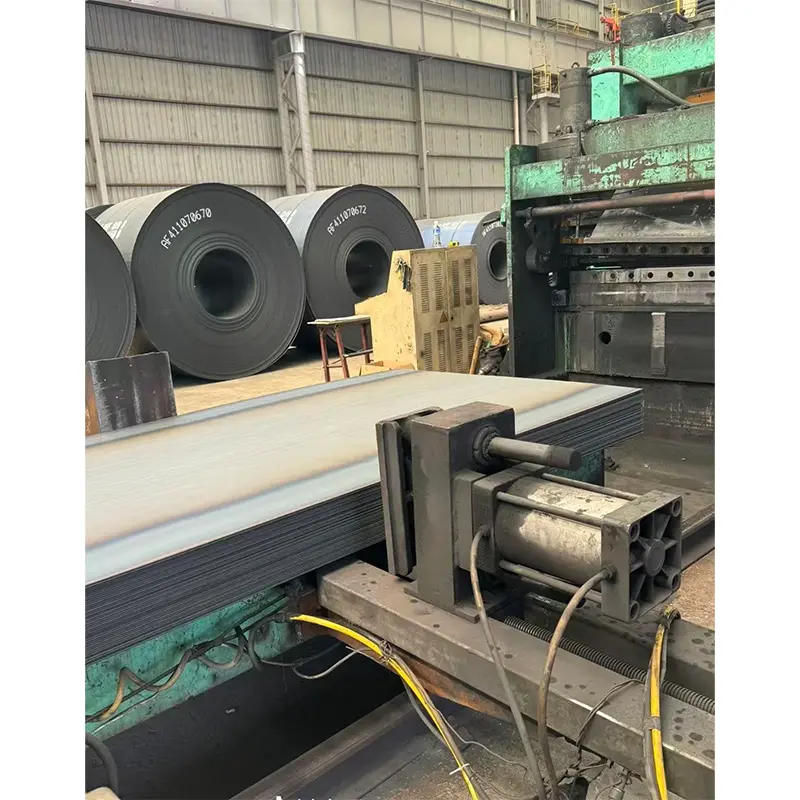
The production of Thin Wall Spiral Welded Steel Pipe starts with high-quality hot rolled steel coils. The steel coils are uncoiled, leveled, and processed through edge milling to ensure accurate forming dimensions and stable welding conditions.
Proper preparation of raw materials helps improve pipe accuracy, welding consistency, and overall product reliability.
2. Spiral Forming Process
During production, the processed steel strip enters the forming equipment and is continuously shaped into a spiral pipe structure according to the designed forming angle.
The spiral forming technology allows manufacturers to produce large diameter steel pipes with flexible specifications while maintaining efficient material utilization.
3. Double-Sided Submerged Arc Welding
The internal and external spiral seams are welded using double-sided submerged arc welding technology.
This welding method provides deep penetration, stable weld strength, and good mechanical performance. The welding process ensures that the spiral seam can withstand normal operating pressure and service conditions.
4. Non-Destructive Testing and Quality Inspection
After welding, Thin Wall SSAW Steel Pipe undergoes strict inspection procedures, including ultrasonic testing, X-ray inspection, dimensional measurement, and weld quality verification.
ZHONGTIAN follows controlled inspection procedures to ensure that every pipe meets customer requirements for strength, accuracy, and reliability.
5. Hydraulic Pressure Testing
Hydraulic testing is performed on finished pipes to verify pressure resistance and leakage performance.
The pipes are tested under specified pressure conditions, ensuring reliable operation during transportation of water and other low-pressure fluids.
6. Cutting, Coating, and Final Processing
After inspection, pipes are cut according to customer-required lengths and prepared for delivery.
According to different application environments, ZHONGTIAN can provide customized surface protection solutions including epoxy coating, IPN8710 coating, and 3PE anti-corrosion coating.
Comparison with Other Steel Pipes
1. Thin Wall Spiral Welded Pipe vs Thick Wall Spiral Welded Pipe
Thin Wall Spiral Welded Steel Pipe is mainly designed for low-pressure applications with wall thickness generally between 5–12mm, while thick wall spiral welded steel pipes are used for higher pressure and heavier structural applications.
Compared with thick wall spiral welded pipes, thin wall products provide lower weight, easier installation, and better cost efficiency, while thick wall pipes provide higher pressure resistance for demanding environments.
2. Thin Wall Spiral Welded Pipe vs Straight Seam Welded Pipe
Compared with straight seam welded pipes, Thin Wall SSAW Steel Pipe has advantages in large diameter production capability and manufacturing flexibility.
Spiral welded steel pipes can achieve diameters above φ3000mm, while straight seam pipes are usually more limited in diameter range. Therefore, Thin Wall Spiral Welded Steel Pipe is often selected for large-scale water engineering and municipal pipeline projects.
3. Thin Wall Spiral Welded Pipe vs Seamless Steel Pipe
Compared with seamless steel pipes, Thin Wall Spiral Welded Steel Pipe provides better cost efficiency for large diameter low-pressure applications.
Seamless steel pipes are mainly used in high-pressure and special applications, while spiral welded pipes are more suitable for infrastructure projects requiring large diameter, economical transportation, and efficient installation.
Anti-Corrosion Protection and Service Life
1. Buried Water Pipeline Protection
For underground water supply and drainage applications, Thin Wall Spiral Welded Steel Pipe can be treated with epoxy coal tar coating or IPN8710 anti-corrosion coating.
Under suitable installation conditions, the expected service life can reach approximately 15–20 years depending on soil environment and maintenance conditions.
2. Indoor Ventilation System Protection
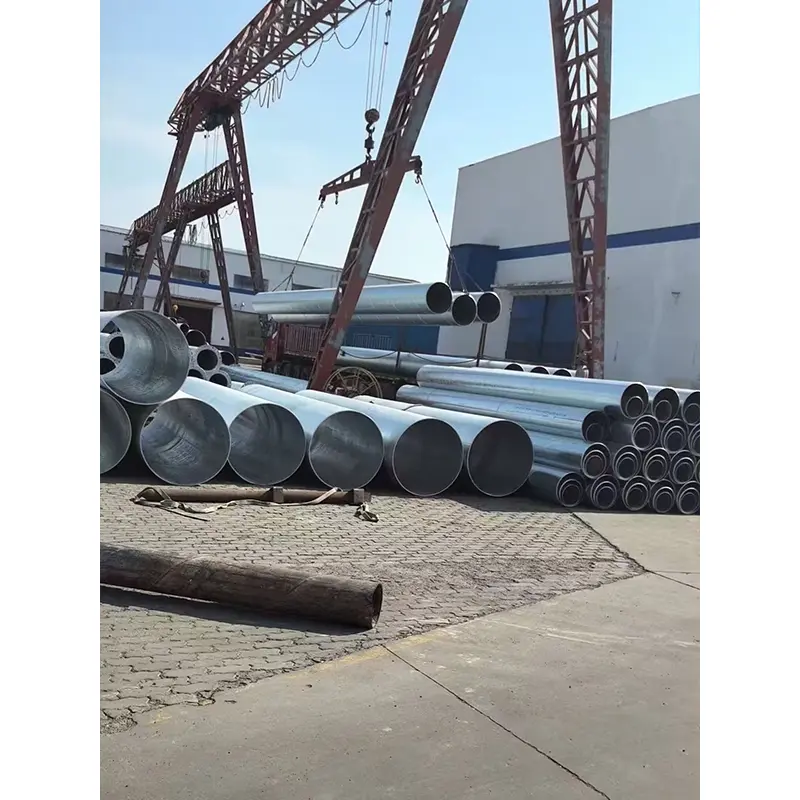
For indoor ventilation, exhaust, and industrial air transportation systems, surface protection usually includes anti-rust coating or cold galvanized treatment.
This protection method provides sufficient corrosion resistance for indoor environments and can achieve a service life of approximately 10–15 years.
3. High Requirement Underground Pipeline Protection
For projects requiring stronger corrosion resistance, Thin Wall SSAW Steel Pipe can be supplied with 3PE anti-corrosion coating.
The three-layer polyethylene coating system provides enhanced protection against moisture, soil corrosion, and external environmental factors, with a potential service life of 25–30 years under suitable conditions.
Selection Guide
1. Select According to Working Pressure
The selection of Thin Wall Spiral Welded Steel Pipe should first consider the operating pressure of the pipeline system.
For applications with working pressure ≤1.6MPa, thin wall spiral welded steel pipes are generally suitable. For higher pressure conditions above 2.5MPa, thick wall spiral welded steel pipes or other high-strength pipe solutions are recommended.
2. Select According to Diameter and Wall Thickness
The required wall thickness should be selected according to pipe diameter, operating conditions, and installation environment.
For example, DN600 pipelines commonly use 6–8mm wall thickness, DN1000 pipelines generally use 8–10mm wall thickness, and DN1500 or larger diameter pipelines usually require 10–12mm wall thickness.
3. Select According to Material Grade
Q235B is commonly selected for general low-pressure pipeline applications due to its balanced performance and cost advantage.
Q355B is suitable for projects requiring higher strength, while L245 is commonly used for pipeline transportation applications where specific material standards are required.
4. Applications Not Recommended
Thin Wall Spiral Welded Steel Pipe is not recommended for high-pressure oil and gas pipelines, high-temperature steam systems, heavy load-bearing piles, or highly corrosive chemical environments.
For these applications, customers should select steel pipes with higher pressure ratings, stronger mechanical properties, or specialized corrosion resistance.
Why Choose ZHONGTIAN Thin Wall Spiral Welded Steel Pipe?
1. Professional Steel Pipe Manufacturing Capability
ZHONGTIAN is a professional Thin Wall Spiral Welded Steel Pipe manufacturer and supplier in China, providing customized SSAW steel pipe solutions for international customers.
With professional production experience and mature manufacturing processes, ZHONGTIAN supports different engineering projects including municipal infrastructure, industrial pipelines, and water transportation systems.
2. Customized Product Solutions
ZHONGTIAN can provide customized solutions according to project requirements, including pipe diameter, wall thickness, length, material grade, and anti-corrosion treatment.
This flexibility allows customers to obtain suitable Thin Wall SSAW Steel Pipe products for different operating environments.
3. Strict Quality Control System
From raw material inspection to final product testing, ZHONGTIAN applies strict quality management procedures throughout the production process.
Each pipe is manufactured with controlled welding technology, inspection procedures, and testing standards to ensure stable quality and reliable performance.
FAQ
1. Can Thin Wall Spiral Welded Steel Pipe Be Used for Greenhouse Structures?
Thin Wall Spiral Welded Steel Pipe can be used for large greenhouse foundations or supporting columns where larger diameter structural support is required.
However, ordinary greenhouse frames usually use smaller galvanized round pipes or oval pipes because they are lighter, easier to install, and more economical for standard greenhouse construction.
2. What Is the Difference Between Thin Wall SSAW Steel Pipe and Galvanized Pipe?
Thin Wall SSAW Steel Pipe is mainly designed for large diameter low-pressure fluid transportation and lightweight structural applications.
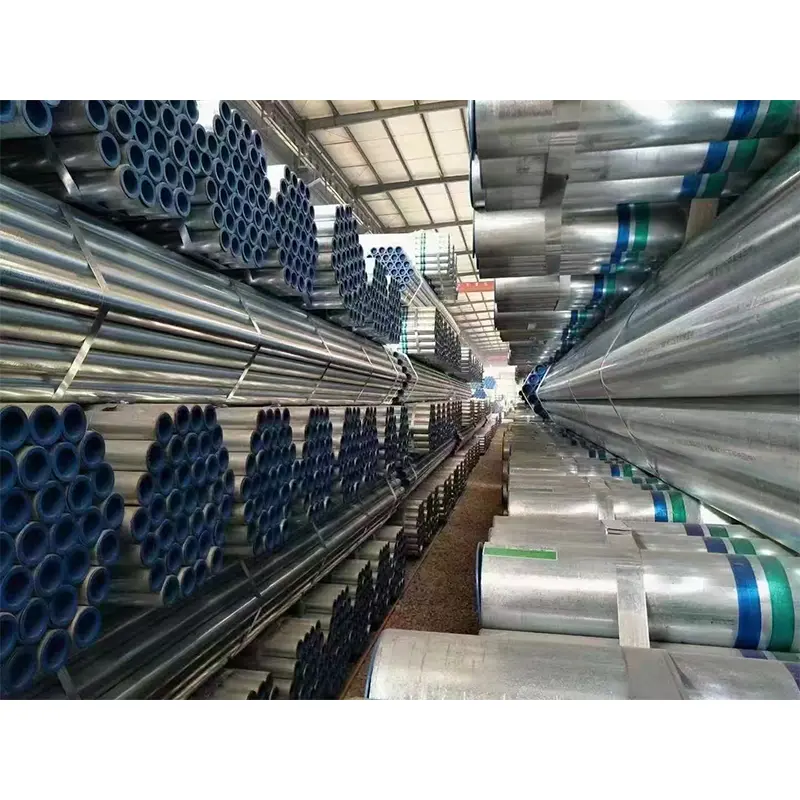
Galvanized pipes are generally smaller diameter pipes used for water systems, scaffolding, greenhouse structures, and general construction applications. The two products serve different engineering purposes.
3. Will Thin Wall Spiral Welded Steel Pipe Deform Easily?
Qualified Thin Wall Spiral Welded Steel Pipe has sufficient ring stiffness and deformation resistance when properly selected and installed.
Under normal buried or above-ground operating conditions, the pipe can maintain stable performance. However, it should not be used beyond its designed pressure range or in heavy-load and highly corrosive environments.
Hot Tags: Thin Wall Spiral Welded Steel Pipe Supplier, Spiral Welded Steel Pipe Manufacturer, Custom Spiral Welded Pipe
Related Category
Send Inquiry
Contact Info
-
Address
300 meters east of the intersection of Tuanda Line and Cuitang Road, Daqiuzhuang Town, Jinghai District, Tianjin City, China
-
Tel
-
Email
If you have any inquiry about a quotation or cooperation, please feel free to email or use the following inquiry form. Our sales representative will contact you within 24 hours.